
Thimphu Attractions: Top Spots to Visit in 2026
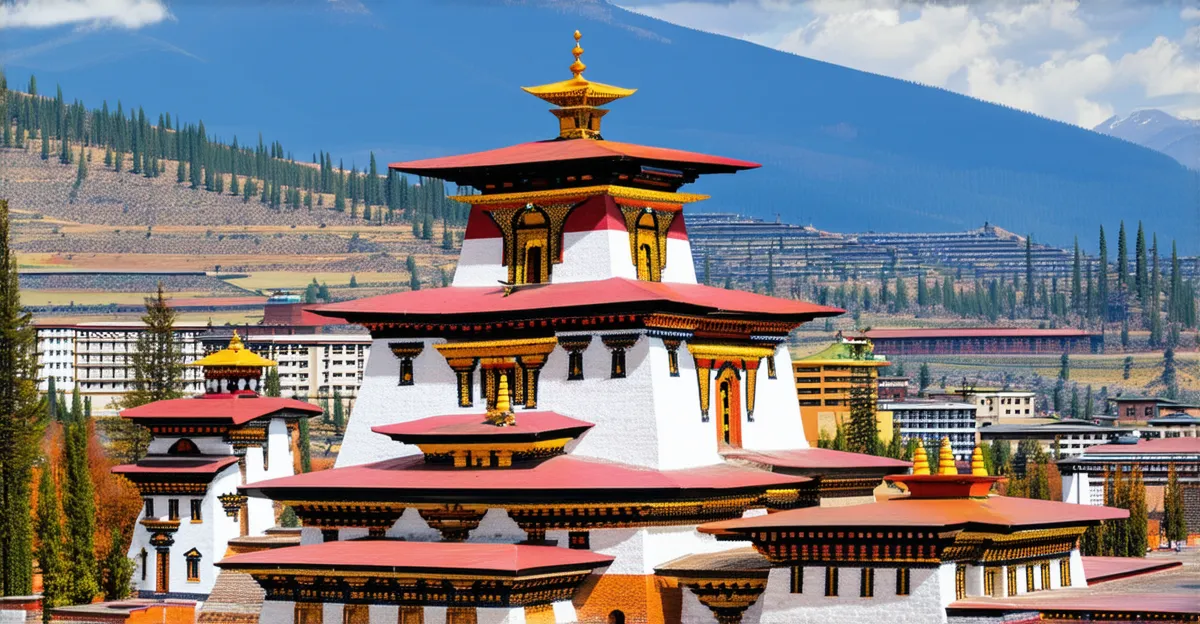
Table of Contents
Explore the Best Thimphu Attractions in 2026
Welcome to Thimphu, a city brimming with cultural richness and scenic beauty. In 2026, Thimphu’s attractions promise an unforgettable experience for every traveler. From ancient monasteries to modern marvels, our guide highlights the must-see spots that define the charm of this Himalayan capital. Get ready to explore the heart of Bhutan through its most captivating landmarks and hidden gems.
Tashichho Dzong: A Center of Governance and Spirituality
You can find the latest updates on Bhutan Post (City Bus Services).
To plan your trip, review National Library & Archives of Bhutan.
Tashichho Dzong, also known as Thimphu Dzong, stands as a magnificent symbol of Bhutanese architecture, spirituality, and governance. Situated on the banks of the Wang Chhu River, this impressive fortress serves as the seat of the Bhutanese government and the central monastic body. Its strategic location and stunning design make it a must-see for anyone visiting Thimphu. Moreover, the Dzong’s intricate details and serene atmosphere provide a deep insight into Bhutanese culture.Exploring the Dzong’s History and Significance
Originally built in the 13th century, the Tashichho Dzong has undergone several renovations and expansions. The current structure, rebuilt in the 1960s by the third King Jigme Dorji Wangchuck, reflects traditional Bhutanese craftsmanship and architectural styles. As you approach the Dzong, you’ll notice its towering white walls, golden roofs, and ornate wooden carvings. Inside, the complex is divided into two main sections: one houses the government offices, including the throne room of the King, and the other serves as a monastery. Therefore, a visit here provides a unique blend of political and spiritual insights.
Pro Tip: Dress respectfully when visiting Tashichho Dzong. Avoid wearing shorts, sleeveless shirts, or hats, as a sign of respect for the religious and administrative significance of the site.
Exploring the monastic section, you’ll discover elaborately decorated temples, courtyards, and living quarters for the monks. The vibrant colors, intricate murals, and serene atmosphere create a sense of peace and reverence. Furthermore, the Dzong’s chapels contain numerous statues of Buddha and other important deities, showcasing Bhutan’s rich Buddhist heritage. For those interested in delving deeper, consider joining a guided tour to learn about the history and symbolism behind each element. If you are looking for more Thimphu Activities, make sure to check other points of interest in the city.
The best time to visit Tashichho Dzong is outside of government working hours and monastic ceremonies, ensuring you can explore without disruption. The Dzong is particularly stunning in the evening when it is illuminated, casting a golden glow against the night sky. In addition, don’t miss the opportunity to witness the annual Thimphu Tshechu festival, held here, which features colorful dances and religious performances. Ultimately, experiencing the Tashichho Dzong provides a profound connection to Bhutanese culture and history, enriching your travel experience. Check out these all-inclusive Bhutan tours to fully immerse yourself in the local culture.
Buddha Dordenma: Gaze Upon the Majestic Statue
Perched atop a hill in Kuenselphodrang Nature Park, the Buddha Dordenma statue is one of the most breathtaking Thimphu Attractions. This colossal golden statue of Buddha Shakyamuni not only dominates the Thimphu skyline but also radiates a sense of peace and serenity. At 51.5 meters (169 feet) tall, it is one of the largest Buddha statues in Bhutan and is truly a sight to behold. Furthermore, the statue commemorates the centennial of the Bhutanese monarchy and blesses the world with peace and happiness. Therefore, a visit to Buddha Dordenma is more than just sightseeing; it’s an experience that connects you with Bhutan’s spiritual essence.
Exploring the Buddha Dordenma Complex
Besides the main statue, the complex features a large meditation hall containing 125,000 smaller Buddha statues. These statues, also gilded in gold, replicate the main Buddha Dordenma and add to the complex’s overwhelming spiritual atmosphere. As you walk around the complex, you’ll notice intricate details in the architecture and artwork, reflecting Bhutan’s rich artistic heritage. The panoramic views of the Thimphu valley from this vantage point are simply stunning, making it an ideal spot for reflection and photography. In addition, you can find various walking paths around the park, offering a chance to immerse yourself in nature. For those seeking Thimphu Outdoor Activities, the surrounding park provides a tranquil escape.
Pro Tip: Visit early in the morning or late in the afternoon to avoid crowds and capture the best light for photographs. The golden statue glows beautifully during sunrise and sunset, offering a magical visual experience.
Reaching the Buddha Dordenma is relatively easy, with well-maintained roads leading up to the site. Whether you hire a taxi or join a guided tour, the journey itself is scenic, passing through lush forests and traditional Bhutanese villages. Upon arrival, take your time to explore the complex, meditate in the hall, and soak in the peaceful atmosphere. Indeed, this is one of the most enriching Things to Do in Thimphu. Moreover, consider learning about the symbolism and history of Buddha Dordenma from a local guide to deepen your understanding of Bhutanese culture. Check out some customizable tours in Thimphu.
The Buddha Dordenma is not just a religious monument; it is a symbol of Bhutan’s commitment to peace, harmony, and spiritual well-being. A visit here is a truly unforgettable experience, providing a unique insight into Bhutanese culture and values. As you prepare for your trip, explore more Thimphu Activities to make the most of your visit. To further enrich your journey, book a guided tour to discover the hidden gems of Thimphu and its surrounding areas, ensuring a memorable exploration of Bhutan’s spiritual and cultural heart.
Centenary Farmer’s Market: Experience Local Life
The Centenary Farmer’s Market in Thimphu is more than just a market; it’s a vibrant hub of local life where you can immerse yourself in Bhutanese culture. This bustling marketplace is where farmers and vendors from across the region converge to sell their goods, creating a colorful tapestry of sights, sounds, and smells. Visiting the market provides a unique window into the daily lives of the Bhutanese people. As you wander through the aisles, you’ll discover an array of fresh produce, traditional foods, handcrafted items, and local textiles. Therefore, it is a great place to visit.
A Sensory Feast
As soon as you step into the Centenary Farmer’s Market, you’ll be greeted by a sensory feast. Mountains of vibrant chilies, piles of fragrant spices, and stacks of freshly picked fruits and vegetables create a visual spectacle. Furthermore, the air is filled with the chatter of vendors and the excited bargaining of shoppers, adding to the lively atmosphere. Exploring the market also allows you to sample local delicacies, such as ema datshi (Bhutan’s national dish made with chilies and cheese) and momos (dumplings), providing a true taste of Bhutan. For an even deeper cultural experience, consider joining a guided tour, such as the Thimphu Private Custom Tour, to learn more about the local produce and culinary traditions.
Pro Tip: Visit the market on a weekend to experience its full vibrancy, as more vendors and shoppers gather during these days.
The Centenary Farmer’s Market isn’t just about food; it’s also a great place to find unique souvenirs and handcrafted items. You can browse through stalls selling traditional Bhutanese clothing, woven textiles, wooden crafts, and religious artifacts. Supporting local artisans by purchasing their goods helps preserve Bhutan’s rich cultural heritage. Moreover, interacting with the vendors gives you an opportunity to learn about the stories behind their crafts and the traditions they represent. Exploring Thimphu Attractions should definitely include this gem.
Visiting the Centenary Farmer’s Market offers an authentic and immersive experience of Bhutanese culture. Whether you’re a foodie, a souvenir hunter, or simply curious about local life, the market provides a unique and memorable glimpse into the heart of Thimphu. Don’t miss the chance to explore this vibrant hub and connect with the friendly locals. You can enhance your visit by checking out these Thimphu Activities for a comprehensive guide to the area.
Ready to dive into the heart of Thimphu? Book your tour today and experience the Centenary Farmer’s Market firsthand!
Memorial Chorten: Reflect on Peace and Harmony
⭐ Recommendation: Don't miss out on amazing Thimphu tours - book now!
The Memorial Chorten, also known as Thimphu Chorten, stands as a prominent landmark in Thimphu and a significant place for reflection and peace. Built in 1974 in memory of the Third Druk Gyalpo, Jigme Dorji Wangchuck, this stupa is not a typical memorial to the dead, but a monument dedicated to world peace and prosperity. Consequently, it’s a place where both locals and tourists alike come to contemplate, pray, and find solace. As you approach, you’ll notice the constant circumambulation of people, spinning prayer wheels, and murmuring mantras, all contributing to the serene atmosphere.
Architectural and Spiritual Significance
The architecture of the Memorial Chorten is a classic example of Bhutanese design. Its whitewashed walls are adorned with golden spires, and the intricate carvings depict various deities and symbols of Buddhist teachings. Inside, there are numerous shrines and statues representing different aspects of Buddhist philosophy. Furthermore, the paintings inside the Chorten provide deep insights into Buddhist teachings. Each element of the structure is imbued with symbolic meaning, which invites visitors to delve deeper into the spiritual significance of the site. Visiting this site is one of the most enriching Things to Do in Thimphu. You can Explore More Thimphu Activities for related experiences.
Pro Tip: Visit the Memorial Chorten in the early morning or late afternoon to experience it with fewer crowds and softer light, enhancing the peaceful atmosphere.
Moreover, the continuous flow of devotees creates a vibrant yet calming environment. Elderly Bhutanese often spend their entire day here, engaging in prayer and meditation. This constant devotion underscores the importance of the Chorten in the daily lives of the Bhutanese people. In addition, the site provides a unique glimpse into the living traditions of Buddhism, which is central to Bhutanese culture.
Experiencing the Memorial Chorten is more than just sightseeing; it’s an immersion into Bhutanese spirituality and culture. It serves as a reminder of the importance of peace, compassion, and harmony in a world that often feels chaotic. The site also offers a chance to connect with locals, observe their practices, and learn about their beliefs. It’s an essential stop for anyone seeking to understand the heart and soul of Bhutan. So, be sure to include this sacred site in your list of Thimphu Attractions. For those interested in guided tours, consider exploring options like this 4-day all-inclusive Bhutan tour.
Finally, remember to be respectful of the sacred space by dressing modestly and maintaining a quiet demeanor. Whether you are engaging in personal reflection or simply observing, the Memorial Chorten offers a profound and unforgettable experience.
Folk Heritage Museum: Step Back in Time
The Folk Heritage Museum in Thimphu offers a captivating glimpse into Bhutan’s rural past. Established to preserve and promote the country’s rich cultural heritage, this museum showcases traditional Bhutanese life through meticulously recreated rural households. As you wander through the museum, you’ll encounter artifacts, tools, and displays that vividly depict the daily routines, customs, and traditions of Bhutanese villagers. It is, indeed, one of the most immersive Thimphu Attractions. The museum not only serves as a repository of historical items but also as a living testament to the ingenuity and resourcefulness of Bhutanese ancestors.
Stepping inside the Folk Heritage Museum is like stepping back in time. The exhibits detail various aspects of rural life, from cooking and farming to traditional crafts and religious practices. The authenticity of the displays provides a profound understanding of the challenges and triumphs of Bhutanese villagers. Moreover, it offers a crucial context for appreciating the nation’s journey towards modernization while preserving its cultural identity. Consequently, visitors often leave with a deeper respect for Bhutanese traditions and a broader understanding of the country’s unique cultural tapestry.
Furthermore, the Folk Heritage Museum isn’t just a static display. It actively engages visitors through demonstrations, workshops, and cultural programs. These interactive sessions allow you to witness traditional skills such as weaving, pottery, and traditional paper making. Also, you can even participate in some of these activities. As a result, the museum offers an enriching and hands-on experience that goes beyond mere observation, making it one of the top Things to Do in Thimphu.
Exploring the Exhibits
The museum is organized into different sections, each representing a specific aspect of Bhutanese rural life. You’ll find a traditional farmhouse, complete with a kitchen, granary, and living quarters. The tools and implements used in agriculture and household chores are displayed, providing insight into the daily routines of rural families. In addition, the museum highlights the importance of local materials and sustainable practices in traditional Bhutanese society. The museum’s detailed exhibits provide an educational experience, showcasing the resourcefulness and self-sufficiency of Bhutanese villagers. For more insights into local culture, check out these Thimphu Activities.
Finally, remember to check out the outdoor section, which often features demonstrations of traditional games and farming techniques. This is one of the most rewarding Thimphu Experiences for those seeking a deeper connection with Bhutanese culture. For an immersive experience, consider this all-inclusive Bhutan tour.
Weekend Market: A Shopper’s Paradise
The Weekend Market in Thimphu, also known as the Centenary Farmers Market, is a vibrant hub of activity and a must-visit destination for anyone seeking an authentic glimpse into local life. Held every Saturday and Sunday, this bustling market transforms the riverside area into a colorful tapestry of sights, sounds, and smells. It’s not just a place to shop; it’s an experience that immerses you in Bhutanese culture, offering a chance to interact with locals, sample traditional foods, and discover unique handicrafts.
A Treasure Trove of Local Goods
As you wander through the market, you’ll find a diverse array of products on display. One section is dedicated to fresh produce, where farmers from the surrounding valleys bring their harvest. Here, you can find everything from exotic fruits and vegetables to local cheeses and spices. Moreover, the air is filled with the aroma of fresh chilies, a staple in Bhutanese cuisine. Another section features handmade crafts, including intricately woven textiles, wooden bowls, prayer wheels, and traditional clothing. These items make for perfect souvenirs, allowing you to take a piece of Bhutanese artistry home with you. Additionally, for those interested in trying local snacks, numerous stalls offer a variety of treats such as momos, ema datshi (chili cheese), and red rice.
Pro Tip: Arrive early to avoid the crowds and get the freshest produce. Don’t be afraid to bargain respectfully, as it’s a common practice in Bhutanese markets.
Besides shopping, the Weekend Market is a fantastic place to observe the daily interactions of locals. Families come to stock up on groceries, friends meet to catch up, and vendors passionately promote their goods. This vibrant atmosphere provides a unique insight into the social fabric of Thimphu. Furthermore, you might even witness impromptu performances of traditional songs and dances, adding to the festive ambiance. Therefore, taking the time to simply stroll through the market and soak in the surroundings is an enriching experience in itself.
For visitors planning their trip, the Weekend Market is easily accessible and centrally located. It’s advisable to allocate at least a few hours to fully explore the market and all it has to offer. Whether you’re searching for souvenirs, eager to sample local delicacies, or simply want to experience the vibrant culture of Thimphu, the Weekend Market is a destination that promises a memorable and authentic Bhutanese experience. So, while planning your Thimphu Attractions, be sure to include this market. Check out some guided tours of Thimphu to maximize your visit.
Explore more Thimphu Activities and discover all the Things to Do in Thimphu during your visit.
Simply Bhutan Museum: Embrace Cultural Immersion
The Simply Bhutan Museum offers visitors a captivating journey into the heart of Bhutanese culture and traditions. Located in Thimphu, this unique museum provides an interactive and immersive experience, allowing guests to actively participate in various aspects of Bhutanese life. Unlike traditional museums with static displays, Simply Bhutan aims to bring the country’s rich heritage to life through engaging exhibits and activities. As one of the notable Thimphu Attractions, it’s a must-visit for anyone seeking an authentic cultural experience.
Upon entering, you are greeted by friendly staff dressed in traditional Bhutanese attire, setting the stage for an enriching visit. The museum showcases different facets of Bhutanese life, including traditional architecture, rural lifestyles, and religious practices. Visitors can try their hand at archery, the national sport of Bhutan, or sample local cuisine and beverages. Moreover, the museum’s design itself reflects traditional Bhutanese architecture, adding to the overall immersive experience.
Interactive Cultural Experiences
What sets Simply Bhutan apart is its emphasis on interactivity. Visitors can witness and participate in traditional activities such as weaving, butter churning, and preparing local dishes. Moreover, the museum features demonstrations of traditional Bhutanese music and dance, offering a glimpse into the country’s vibrant performing arts scene. These hands-on experiences provide a deeper understanding and appreciation of Bhutanese culture. As you explore the museum, you’ll find numerous opportunities to engage with the exhibits, making it one of the top Things to Do in Thimphu.
Pro Tip: Don’t miss the opportunity to dress in traditional Bhutanese clothing (Kho and Kira) and take memorable photos. It’s a fun way to immerse yourself in the culture and create lasting memories!
In addition to its cultural exhibits, Simply Bhutan also supports local communities by providing employment and showcasing local products. The museum features a shop where visitors can purchase handcrafted souvenirs and traditional Bhutanese items, contributing to the local economy. This commitment to sustainability and community engagement further enhances the museum’s appeal as a responsible and authentic cultural destination.
Whether you’re interested in learning about traditional Bhutanese architecture, sampling local cuisine, or participating in cultural activities, the Simply Bhutan Museum offers something for everyone. It is an enriching and memorable experience that provides a deeper understanding and appreciation of Bhutanese culture. To enhance your exploration of the region, consider exploring various Thimphu Experiences for a complete cultural journey. For more ideas on planning your trip, check out these Thimphu Outdoor Activities and Thimphu Experiences.
Ready to immerse yourself in Bhutanese culture? Book your Bhutan tour today and experience the magic of Simply Bhutan!
Dochula Pass: Scenic Mountain Views and Temples
Dochula Pass, situated on the road from Thimphu to Punakha, offers breathtaking panoramic views of the Himalayan mountain range. Moreover, this serene location is adorned with 108 chortens, known as “Druk Wangyal Chortens,” commissioned by the Queen Mother Ashi Dorji Wangmo Wangchuk. Built to honor Bhutanese soldiers who lost their lives in a 2003 war, the chortens radiate peace and offer a stunning visual spectacle against the backdrop of snow-capped peaks. Therefore, visiting Dochula Pass is not just a visual treat but also a deeply spiritual experience, making it one of the most memorable Thimphu Attractions.
Exploring the Druk Wangyal Lhakhang
Besides the 108 chortens, Dochula Pass is also home to the Druk Wangyal Lhakhang, a temple that further commemorates the victory and honors the Fourth Druk Gyalpo, Jigme Singye Wangchuck. The temple’s unique architecture and intricate artwork depict significant events in Bhutanese history. Additionally, the surrounding area is ideal for short hikes and nature walks, allowing visitors to immerse themselves in the natural beauty of the Himalayas. Consequently, the combination of historical significance, religious serenity, and natural splendor makes Dochula Pass a must-visit location for anyone exploring Things to Do in Thimphu.
Pro Tip: Visit early in the morning for the clearest views before the clouds roll in. Also, the pass can get quite cold, so dress warmly, regardless of the season.
Dochula Pass offers different experiences depending on the season. In winter, the snow-capped mountains create a magical landscape, while spring brings rhododendrons in full bloom, adding vibrant colors to the scenery. During the monsoon, the pass is often shrouded in mist, creating an ethereal and mysterious atmosphere. No matter when you visit, the experience is bound to be unforgettable. Moreover, don’t miss the opportunity to capture stunning photographs of the landscape and the chortens. For those interested in Thimphu Outdoor Activities, consider a guided tour to learn more about the history and significance of the pass. You can explore more outdoor options here.
Whether you’re interested in history, spirituality, or simply breathtaking views, Dochula Pass has something to offer. It’s a place to reflect, appreciate the beauty of nature, and learn about Bhutanese culture. For more information on planning your trip and other Thimphu Experiences, check out this guide.
To enhance your visit to Bhutan, consider a guided tour that includes Dochula Pass. Explore Bhutan with this 4-day all-inclusive tour and witness the magic for yourself.
Discover the magic of Thimphu and its attractions in 2026. Start planning your unforgettable journey today!
Frequently Asked Questions
🎯 Insider Tip: Discover the best Thimphu experiences with Viator Tours!
A: Some must-visit Thimphu attractions include the majestic Tashichho Dzong, the iconic Buddha Dordenma statue, and the bustling Centenary Farmer’s Market.
A: The best times to visit Thimphu for sightseeing are during the spring (March-May) and autumn (September-November) seasons when the weather is pleasant and the skies are clear.
A: Yes, you can easily explore Thimphu’s attractions on foot, especially within the city center. However, for attractions located further away, taxis or local buses are readily available.
A: Thimphu offers a range of attractions suitable for families, including parks, cultural sites, and interactive museums, ensuring an enriching and enjoyable experience for all ages.
A: To make the most of your visit to Thimphu attractions, consider hiring a local guide who can provide valuable insights into the history, culture, and significance of each site.