
Thimphu Activities: Top Things To Do in 2026
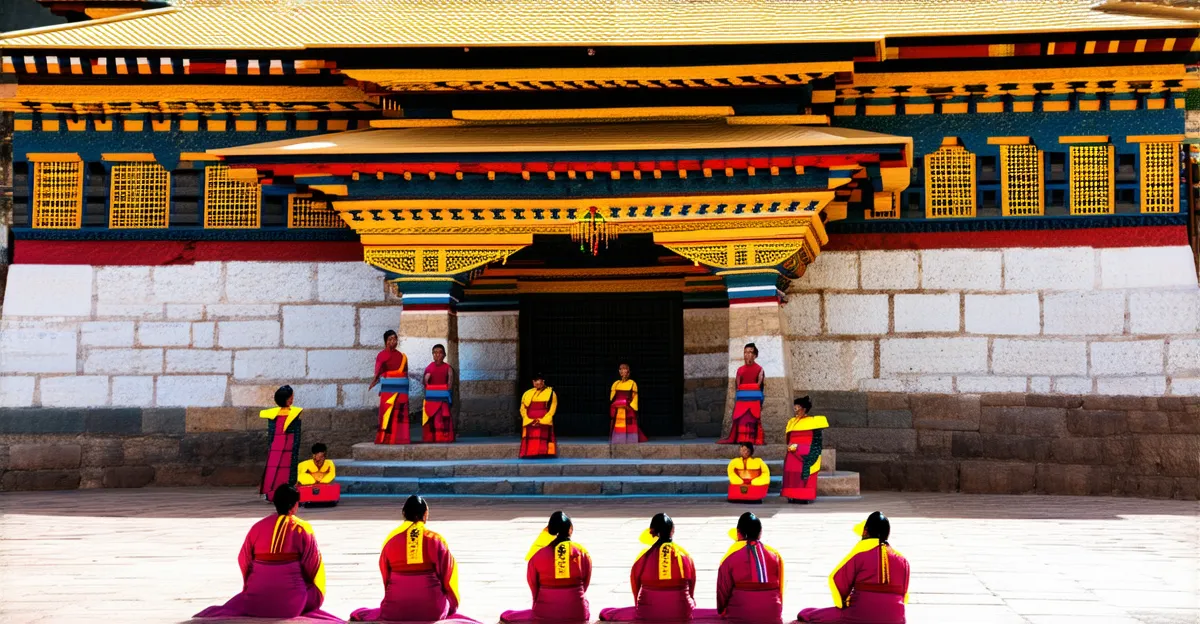
Table of Contents
Top Thimphu Activities: Your 2026 Guide to the Bhutanese Capital
Welcome to Thimphu, the enchanting capital of Bhutan! In 2026, Thimphu offers a blend of ancient traditions and modern development, making it a unique destination. This guide highlights the best Thimphu activities, ensuring an unforgettable experience in the Land of the Thunder Dragon.
Explore the Majestic Buddha Dordenma Statue
For official information, visit Department of Tourism, Bhutan.
For the most up-to-date details, check Thimphu Thromde before you go.
Visiting the Buddha Dordenma Statue is undoubtedly one of the most breathtaking Thimphu Activities. Perched atop a hill in Kuenselphodrang Nature Park, this colossal golden statue of Buddha Dordenma radiates peace and tranquility. Furthermore, the site offers panoramic views of the Thimphu Valley, providing a stunning backdrop for reflection and photography. This majestic monument not only serves as a significant religious site but also symbolizes Bhutan’s prosperity and cultural heritage. Therefore, it is a must-see destination for anyone exploring Things to Do in Thimphu.The Buddha Dordenma statue, standing at an impressive height of 51.5 meters (169 feet), houses over one hundred thousand smaller Buddha statues, each made of bronze and gilded in gold. Moreover, the intricate details and sheer scale of the statue are awe-inspiring, making it a remarkable feat of engineering and artistry. As you wander around the complex, you’ll find serene meditation halls and beautifully landscaped gardens that invite contemplation. Consequently, the site provides a peaceful escape from the bustling city below.
Experiencing the Spiritual Ambiance
Beyond its visual grandeur, the Buddha Dordenma offers a profound spiritual experience. Many visitors find solace in the serene environment, taking time to meditate or simply absorb the peaceful atmosphere. Indeed, the site is designed to promote inner peace and enlightenment, aligning with Bhutan’s philosophy of Gross National Happiness. Additionally, the surrounding nature park provides ample opportunities for leisurely walks and enjoying the natural beauty of Bhutan.
To make the most of your visit, consider going early in the morning or late in the afternoon to avoid crowds and enjoy the soft light. Also, remember to dress respectfully when visiting religious sites in Bhutan. By being mindful and respectful, you can fully appreciate the spiritual significance and beauty of this iconic landmark.
Exploring the Buddha Dordenma Statue offers a unique glimpse into Bhutanese culture and spirituality. Whether you’re interested in history, religion, or simply stunning views, this site has something to offer everyone. So, make sure to add it to your list of essential Thimphu Attractions. You can discover more enriching Thimphu Experiences here.
For those planning a trip to Bhutan, consider this guided tour of Bhutan, which will provide an unforgettable cultural experience.
Visit the Historic Tashichho Dzong
The Tashichho Dzong, also known as Thimphu Dzong, stands as a magnificent symbol of Bhutanese architecture and history. Nestled on the banks of the Wang Chhu River, this fortress monastery serves as the seat of the Bhutanese government and the central monastic body. A visit to Tashichho Dzong is a quintessential Thimphu experience, offering a glimpse into the spiritual and administrative heart of the nation. As you approach the dzong, its imposing white walls and golden roofs create a breathtaking spectacle against the backdrop of the surrounding hills. Moreover, exploring this iconic landmark provides a profound understanding of Bhutan’s cultural heritage.
Originally built in the 13th century, the Tashichho Dzong has undergone several renovations, most notably under the reign of King Jigme Dorji Wangchuck in the 1960s. The meticulous craftsmanship and intricate detailing are evident in every corner, from the elaborate woodwork to the vibrant murals. Inside, you’ll discover numerous courtyards, temples, and offices, each with its unique significance. Furthermore, the dzong houses the throne room of the King and the offices of various government ministries, blending religious and secular functions seamlessly.
Exploring the Dzong’s Architectural Marvels
When visiting Tashichho Dzong, take your time to appreciate the artistry and symbolism embedded in its design. The central tower, known as the Utse, dominates the skyline and offers panoramic views of the Thimphu Valley. In addition, the dzong’s courtyards are adorned with intricate carvings and colorful prayer flags, creating a serene and spiritual atmosphere. Remember to dress respectfully when entering, as this is an active religious and administrative center. Besides, photography restrictions may apply in certain areas, so it’s wise to check before snapping pictures.
Visiting the Tashichho Dzong is undoubtedly one of the most important things to do in Thimphu. It is not just a historical site; it is a living, breathing institution that plays a vital role in Bhutanese society. Whether you are interested in history, architecture, or spirituality, the dzong offers a rich and immersive experience. Plan to spend at least a couple of hours here to fully appreciate its grandeur and significance. For those interested in delving deeper into Bhutan’s cultural experiences, consider exploring other Thimphu activities. You can also learn more about other Thimphu attractions here.
To enhance your visit to Bhutan and explore similar cultural sites, check out this all-inclusive Bhutan tour that includes a visit to the Tashichho Dzong.
Hike to the Iconic Tiger’s Nest Monastery (Paro)
No trip to Bhutan is complete without experiencing the trek to Paro Taktsang, famously known as the Tiger’s Nest Monastery. Clinging dramatically to a cliffside in the Paro Valley, this sacred site is both a spiritual landmark and an architectural marvel. Furthermore, the hike presents a challenging yet rewarding journey through picturesque landscapes and serene forests, making it a truly unforgettable experience. Therefore, consider it as a highlight among the many Thimphu Activities.
Preparing for the Trek
Before embarking on this iconic hike, it’s essential to be adequately prepared. The trek typically takes around 5-7 hours, including the ascent and descent, so ensure you have comfortable hiking shoes, appropriate clothing, and plenty of water. Also, while the path is well-maintained, it can be steep in sections, and altitude can be a factor for some. It is recommended to start early in the morning to avoid the midday heat and to allow ample time to complete the journey at a relaxed pace. Remember to check out more outdoor activities.
Pro Tip: Take regular breaks during the ascent to acclimatize to the altitude and enjoy the stunning views. Consider hiring a local guide for added insights into the monastery’s history and significance.
The trek begins with a relatively gentle walk through pine forests, gradually ascending towards the monastery. Along the way, prayer flags flutter in the breeze, adding to the spiritual ambiance. Midway, there’s a cafeteria where you can take a break and enjoy refreshments while soaking in panoramic views of the Tiger’s Nest. As you approach the monastery, the path becomes steeper, with a series of steps leading to the entrance. Despite the challenge, the sight of the monastery perched on the cliffside is incredibly inspiring and worth every step.
Upon reaching the Tiger’s Nest, take your time to explore the various temples and prayer rooms within the complex. Photography is generally not allowed inside, allowing you to fully immerse yourself in the serene atmosphere and appreciate the intricate artwork and craftsmanship. The monastery’s history is deeply intertwined with Bhutanese Buddhism, and a visit here offers a profound understanding of the country’s spiritual heritage. Many tours are available, such as this private tour to Tiger’s Nest, which will enhance your experience. This is certainly one of the best Things to Do in Thimphu, even though it is located in Paro.
For a truly immersive Bhutanese experience, consider joining a guided tour that includes the Tiger’s Nest Monastery. Explore guided tours here.
Wander Through the Weekend Market
💡 Pro Tip: Book your Thimphu adventures in advance through Viator for the best deals!
The Weekend Market in Thimphu, also known as the Centenary Farmers Market, is a vibrant hub of activity where locals converge to buy and sell fresh produce, traditional crafts, and various household items. Situated along the banks of the Wang Chhu River, this bustling market offers an immersive glimpse into Bhutanese culture and daily life. Every weekend, vendors from across the region set up stalls, creating a colorful tapestry of goods and an exciting atmosphere for visitors. Furthermore, exploring this lively market is undoubtedly one of the top Things to Do in Thimphu, providing a unique blend of shopping and cultural interaction.
A Shopper’s Paradise and Cultural Hotspot
As you wander through the market, you’ll encounter a wide array of products. Fresh fruits and vegetables, many of which are locally grown and organic, are a major draw. Additionally, you can find unique Bhutanese spices, homemade cheeses, and an assortment of dried goods. Handicrafts also abound, with stalls offering intricately woven textiles, prayer wheels, and traditional Bhutanese clothing. Therefore, whether you are looking for souvenirs or simply want to soak in the local atmosphere, the weekend market has something for everyone. For more Thimphu Activities, check out this guide.
Pro Tip: Arrive early in the morning to experience the market at its liveliest and to secure the freshest produce. Bargaining is generally acceptable, but do so respectfully and with a smile!
Besides the shopping opportunities, the market is an excellent place to observe local customs and traditions. You’ll see Bhutanese people dressed in their traditional attire – the gho for men and the kira for women – engaging in lively conversations and negotiations. Moreover, the food stalls offer a chance to sample authentic Bhutanese cuisine, such as ema datshi (chili cheese) and momos (dumplings). Sampling local delicacies is an integral part of experiencing Thimphu Experiences, making the market a culinary adventure as well. You can also discover more about other Thimphu Attractions on this page.
Visiting the Weekend Market is not just a shopping trip; it’s a cultural immersion. It provides an opportunity to connect with the local community, understand their way of life, and appreciate the vibrant traditions of Bhutan. Consequently, the market encapsulates the essence of Bhutanese hospitality and offers a memorable experience for all visitors, also offering some interesting Thimphu Outdoor Activities. Therefore, make sure to include this market in your itinerary when you visit Thimphu. To enhance your trip, consider exploring a guided tour of Thimphu to fully appreciate the city’s charm and hidden gems.
Attend a Traditional Bhutanese Festival (Tshechu)
Attending a Tshechu is undoubtedly one of the most vibrant and immersive Thimphu Activities you can experience. These annual religious festivals are celebrated throughout Bhutan, offering a captivating glimpse into the country’s rich cultural heritage and spiritual traditions. Marked by colorful masked dances, sacred rituals, and the unveiling of massive thangkas (religious paintings), Tshechus are a feast for the senses and a profound cultural experience. Moreover, they provide a unique opportunity to witness the deep-rooted faith and community spirit that defines Bhutanese society.
Timing Your Visit for Tshechu
Planning your trip to coincide with a Tshechu is crucial, as these festivals occur on specific dates in the Bhutanese calendar. The most famous and largest Tshechu is held in Thimphu itself, usually in the autumn. However, many smaller, equally fascinating festivals take place in other regions throughout the year. Therefore, it’s important to check the festival calendar in advance and make necessary travel arrangements. The vibrant atmosphere and spiritual significance make attending a Tshechu one of the most memorable Things to Do in Thimphu.
Pro Tip: Arrive early to secure a good viewing spot, as Tshechus are popular events and attract large crowds. Also, dress respectfully and be mindful of local customs and traditions.
The masked dances, known as Cham dances, are the centerpiece of the Tshechu. Performed by monks and laymen dressed in elaborate costumes, these dances tell stories from Buddhist mythology and convey important religious teachings. Each dance has its own unique symbolism and significance, contributing to the overall spiritual experience of the festival. Furthermore, the energy and artistry of the performers are truly captivating, making it an unforgettable spectacle.
Beyond the dances, Tshechus also feature the unveiling of large thangkas, known as thongdrels. These sacred paintings are believed to bestow blessings upon all who view them, drawing devotees from far and wide. The act of witnessing the thongdrel being unfurled is a deeply moving and spiritual experience. Additionally, food stalls, craft vendors, and other festive activities add to the lively atmosphere, creating a vibrant celebration for all ages.
To enhance your cultural immersion, consider joining a guided tour that focuses on the Tshechu and its significance. These tours often provide valuable insights into the symbolism of the dances and the religious context of the festival. Don’t miss out on these unique Thimphu Experiences. For a comprehensive cultural journey, consider exploring this Bhutan cultural tour.
Discover the Folk Heritage Museum
The Folk Heritage Museum in Thimphu stands as a testament to Bhutan’s rich cultural past, offering visitors a captivating glimpse into the traditional Bhutanese way of life. This meticulously curated museum showcases artifacts and exhibits that highlight rural life, customs, and traditions. Housed in a traditional mud and timber building, the museum itself is an architectural marvel, providing an authentic backdrop to the stories it tells. As you explore the museum, you’ll encounter demonstrations of traditional arts and crafts, such as weaving and paper making, offering an immersive experience into Bhutanese heritage. Consequently, it’s a must-visit destination for anyone interested in understanding the cultural heart of Bhutan. Exploring the Folk Heritage Museum is definitely one of the top Things to Do in Thimphu.
Experiencing Bhutanese Rural Life
Upon entering the Folk Heritage Museum, you are immediately transported back in time. The museum complex is designed to replicate a traditional Bhutanese farmhouse, complete with a kitchen garden, a traditional watermill, and even a hot stone Bath. The exhibits showcase various aspects of rural life, including traditional clothing, household tools, and agricultural implements. Moreover, visitors can witness demonstrations of traditional cooking methods and sample local delicacies, thereby enhancing their sensory experience. The museum’s layout encourages visitors to engage with the exhibits, making it an enriching and educational experience for all ages. Therefore, immersing yourself in Bhutanese rural life is one of the most authentic Thimphu Experiences you can have.
Pro Tip: Visit during one of the museum’s cultural events or demonstrations to gain an even deeper appreciation of Bhutanese traditions.
Besides preserving artifacts, the museum actively promotes the continuation of traditional practices. It hosts workshops and training sessions for local artisans, ensuring that these skills are passed down to future generations. This commitment to cultural preservation makes the Folk Heritage Museum not just a repository of the past, but a living institution that actively contributes to Bhutan’s cultural landscape. Consequently, by supporting the museum, you are also supporting the preservation of Bhutanese heritage.
To further enhance your understanding of Bhutanese culture and traditions, consider embarking on a guided tour. Several operators offer comprehensive tours of Thimphu, including a visit to the Folk Heritage Museum. Learn more about these opportunities and book your cultural adventure here.
Exploring the Folk Heritage Museum is undoubtedly one of the most enriching Thimphu Activities available. Don’t miss the chance to experience this cultural treasure. You can also explore more Thimphu attractions for a complete travel experience.
Enjoy White Water Rafting on the Po Chhu River
For adventure seekers visiting Thimphu, white water rafting on the Po Chhu River presents an exhilarating experience amidst breathtaking Himalayan scenery. Located near Punakha, the Po Chhu River offers a unique blend of adrenaline-pumping rapids and serene natural beauty, making it a must-try activity for those looking for Thimphu Outdoor Activities. Moreover, the stunning landscapes surrounding the river provide a picturesque backdrop, enhancing the overall rafting experience.
Planning Your Rafting Adventure
Before embarking on your rafting trip, it is essential to consider the best time to visit. The ideal seasons are spring (March to May) and autumn (September to November) when the weather is pleasant and the river’s water level is optimal. During these months, the milder temperatures and clear skies create favorable conditions for enjoying the rapids. Furthermore, several reputable tour operators offer guided rafting tours, ensuring a safe and memorable experience. To get a comprehensive understanding of Things to Do in Thimphu, you can explore various options tailored to different skill levels.
Pro Tip: Always wear appropriate safety gear and listen carefully to the instructions provided by your guide. This will help ensure a safe and enjoyable rafting adventure.
The Po Chhu River offers varying levels of rapids, catering to both beginners and experienced rafters. Beginners can enjoy gentle floats that provide ample opportunity to soak in the scenery, while more advanced rafters can tackle challenging rapids that require teamwork and skill. Additionally, the river’s clear waters and unspoiled surroundings offer a chance to connect with nature. As you navigate the rapids, keep an eye out for diverse birdlife and lush vegetation along the riverbanks. These elements combine to create unforgettable Thimphu Experiences.
Furthermore, many rafting tours include transportation to and from Thimphu, making it a convenient day trip. It is advisable to book your tour in advance, especially during peak season, to secure your spot. Also, consider combining your rafting adventure with other Thimphu Activities, such as visiting nearby monasteries or exploring local markets, to make the most of your trip. For more insights, you can discover additional Thimphu attractions.
In conclusion, white water rafting on the Po Chhu River is an unforgettable adventure that blends excitement and natural beauty. Whether you’re an adrenaline junkie or simply seeking a unique way to experience Bhutan’s stunning landscapes, this activity promises an incredible experience. Ready to take the plunge? Book your white water rafting tour today and create lasting memories!
Trekking Adventures in the Surrounding Hills
🌟 Local Expert Tip: Get the most out of your Thimphu visit with guided tours!
Thimphu, surrounded by majestic hills, presents incredible opportunities for trekking enthusiasts. These trails offer not only stunning views of the Himalayan landscape but also a chance to immerse oneself in Bhutan’s unique natural beauty and serene environment. Whether you’re a seasoned trekker or a beginner, the varying terrains around Thimphu promise an unforgettable adventure. Moreover, trekking allows you to discover hidden monasteries, quaint villages, and diverse flora and fauna, making it a truly enriching experience.
Popular Trekking Routes Near Thimphu
Several trails cater to different fitness levels and preferences. The Punakha Winter Trek, for example, is a moderate trek that takes you through lush valleys and offers spectacular views of the Himalayan peaks. As you ascend, you’ll encounter pristine forests, remote settlements, and ancient temples. Similarly, the Dodeydra Hike is another popular option, known for its relatively easy terrain and stunning views of the Thimphu valley. Furthermore, these treks provide an excellent opportunity to witness local Bhutanese life up close. To find more Thimphu Outdoor Activities, check out local resources.
Pro Tip: Always hire a local guide for trekking. Not only do they know the trails well, ensuring your safety, but they also offer invaluable insights into the local culture and environment.
Before embarking on any trek, ensure you are adequately prepared. This includes packing appropriate clothing, sturdy hiking boots, and necessary supplies such as water, snacks, and a first-aid kit. Additionally, it’s crucial to acclimatize to the altitude to prevent altitude sickness. Moreover, respecting the local customs and traditions is essential, as many of these trails pass through sacred sites. Consider exploring some guided Thimphu custom tours with a local guide.
Moreover, the best time for trekking in the hills surrounding Thimphu is during the spring (March to May) and autumn (September to November) seasons. During these months, the weather is generally pleasant, with clear skies and moderate temperatures, making it ideal for outdoor activities. However, it’s always a good idea to check the weather forecast before setting out. As you plan your Things to Do in Thimphu, don’t miss the chance to experience these unforgettable trekking adventures.
For an immersive cultural and natural experience, trekking in the hills around Thimphu is a must. It’s a chance to connect with nature, challenge yourself physically, and create lasting memories. Ready for an adventure? Explore Thimphu Customizable Himalayan Adventure Tours today!
Don’t miss out on the incredible Thimphu activities that await you in 2026! Start planning your adventure today and discover the magic of Bhutan.
Frequently Asked Questions
A: Some of the most popular Thimphu activities include visiting the Buddha Dordenma statue, exploring the Tashichho Dzong, and hiking to the Tiger’s Nest Monastery (though technically outside Thimphu, it’s a must-do!).
A: The best time to enjoy outdoor activities in Thimphu is during the spring (March-May) and autumn (September-November) months when the weather is pleasant and the skies are clear.
A: Yes, it is possible to visit Thimphu on a budget by opting for guesthouses, eating at local restaurants, and using public transportation or walking to explore the city.
A: For adventure seekers, Thimphu offers trekking, white water rafting, and mountain biking opportunities. You can explore the surrounding hills and rivers for an adrenaline-pumping experience.
A: To experience Thimphu like a local, try visiting the weekend market, attending a traditional Bhutanese festival (Tshechu), and engaging in conversations with the friendly residents.