
Things to Do in Santiago de Cuba: 2026 Guide
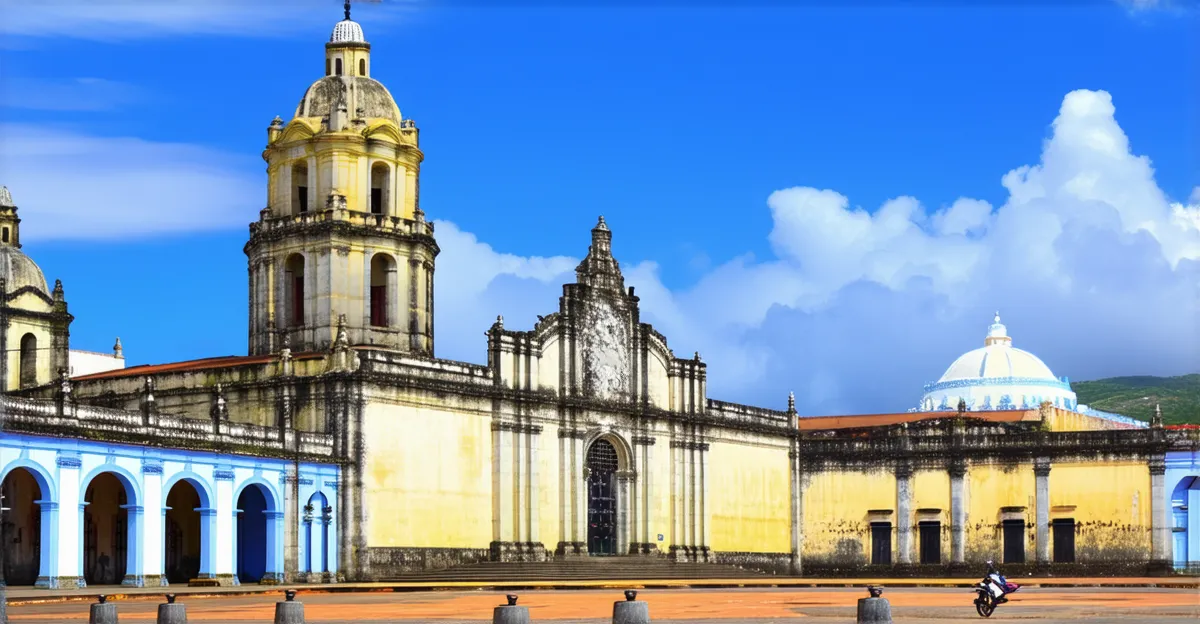
Table of Contents
Things to Do in Santiago de Cuba: Your 2026 Travel Guide
Discover the best Things to Do in Santiago de Cuba in 2026! This vibrant Cuban city offers a rich blend of history, culture, and natural beauty. From exploring historical landmarks to enjoying live music and stunning landscapes, our guide will help you plan an unforgettable trip filled with the most exciting experiences.
Explore the Castillo del Morro: A UNESCO World Heritage Site
For the most up-to-date details, check Cuba Travel (Official) before you go.
For the most up-to-date details, check Gobierno Provincial de Santiago de Cuba before you go.
Perched dramatically on a rocky promontory overlooking the entrance to Santiago de Cuba‘s bay, the Castillo del Morro, officially known as Castillo de San Pedro de la Roca, is an imposing fortress steeped in history and designated a UNESCO World Heritage site. Exploring this architectural marvel offers a unique glimpse into the island’s colonial past and its strategic importance in the Caribbean. The fortress stands as a testament to 17th-century military engineering, showcasing a blend of Spanish and Italian design influences. As you wander through its ramparts and courtyards, you’ll be transported back in time, imagining the battles and sieges it once withstood. For those interested in history and architectural grandeur, this is certainly one of the best Things to Do in Santiago de Cuba.A Journey Through History
Constructed initially to defend against pirates and other colonial powers, the Castillo del Morro has played a pivotal role in the defense of Santiago de Cuba. Its strategic location provided unparalleled views of approaching ships, allowing defenders ample time to prepare. Today, visitors can explore the various levels of the fortress, each offering its own unique perspective and historical significance. Moreover, exhibits inside detail the fortress’s evolution and its impact on the region’s history. The well-preserved architecture and informative displays make this an enriching experience for all who visit.
Pro Tip: Visit the Castillo del Morro in the late afternoon to witness a stunning sunset over the Caribbean Sea. The golden light illuminating the fortress is a sight to behold!
Beyond its historical significance, the Castillo del Morro offers breathtaking panoramic views of the coastline. The azure waters of the Caribbean Sea stretch out to the horizon, providing a stunning backdrop for photographs and memories. In addition to exploring the fortress itself, visitors can also enjoy boat tours that offer a unique perspective of the Castillo from the water. These tours provide valuable insights into the fortress’s design and strategic positioning. Furthermore, exploring the surrounding area is one of the best Santiago de Cuba Outdoor Activities. To discover more about local experiences, check out Santiago de Cuba Experiences.
The Castillo del Morro is not only a historical landmark but also a cultural icon, hosting events and performances that celebrate the island’s rich heritage. Exploring this magnificent fortress offers a blend of history, culture, and natural beauty, making it a must-see destination for anyone visiting Santiago de Cuba. For more ideas on Santiago de Cuba Activities, be sure to plan your visit and allow ample time to soak in the atmosphere and appreciate the stunning views. Furthermore, remember to book your tour of Santiago’s highlights here.
Visit the Santa Ifigenia Cemetery: Honoring Cuban Heroes
The Santa Ifigenia Cemetery, located in Santiago de Cuba, is more than just a final resting place; it is a profound historical and cultural landmark. This cemetery is renowned for housing the remains of significant Cuban figures, including national heroes and notable personalities who have shaped the nation’s identity. Visiting this site offers a unique opportunity to reflect on Cuba’s rich history and pay homage to those who played pivotal roles in its development. Thus, it stands as one of the most meaningful Things to Do in Santiago de Cuba.
The Mausoleum of Fidel Castro
One of the cemetery’s most prominent features is the mausoleum of Fidel Castro. This imposing structure is a site of pilgrimage for many, representing the enduring legacy of the revolutionary leader. The solemn atmosphere and the changing of the guard ceremony add to the gravitas of the location, providing a powerful experience for visitors. Furthermore, the site’s design and symbolism reflect Castro’s impact on Cuban society and politics. Visiting this mausoleum is not only a historical experience but also an emotional one, as it represents a pivotal chapter in Cuban history. You can explore more Santiago de Cuba attractions to enrich your itinerary.
Pro Tip: Arrive early in the morning to avoid the crowds and witness the respectful changing of the guard ceremony, which adds a layer of solemnity to your visit.
Beyond Castro’s mausoleum, Santa Ifigenia is home to the graves of numerous other Cuban heroes, including independence leader José Martí. The meticulously maintained grounds and impressive monuments offer insight into the nation’s values and artistic heritage. As you wander through the cemetery, you’ll encounter elaborate sculptures, poignant epitaphs, and beautifully designed tombs that tell the stories of Cuba’s past. Moreover, each monument serves as a tribute to the individuals who contributed to the country’s identity.
Visiting the Santa Ifigenia Cemetery is a deeply moving experience that allows you to connect with Cuba’s history on a personal level. It offers a serene environment for contemplation and appreciation of the sacrifices made by those who fought for the nation’s independence and progress. Therefore, it is an essential stop for anyone interested in understanding the cultural and historical context of Santiago de Cuba. Additionally, the cemetery’s peaceful ambiance and historical significance make it a must-see location for both locals and tourists alike. For additional Santiago de Cuba Activities, consider exploring local outdoor adventures.
To make the most of your visit and delve deeper into Santiago’s cultural tapestry, consider joining a guided tour. Explore Santiago’s highlights with a guided tour.
Experience Live Music at Casa de la Trova
Immerse yourself in the vibrant heart of Santiago de Cuba by experiencing live music at the legendary Casa de la Trova. This iconic venue is a cornerstone of Cuban musical heritage, offering an authentic glimpse into the soul-stirring rhythms and melodies that define the region. Whether you are a seasoned music aficionado or simply looking to soak up the local culture, Casa de la Trova promises an unforgettable evening filled with passionate performances and contagious energy. It stands as a testament to Santiago’s rich artistic legacy and its enduring influence on Cuban music. Furthermore, experiencing the live performances at Casa de la Trova is among the top Things to Do in Santiago de Cuba.
A Hub of Cuban Musical Tradition
Casa de la Trova is more than just a music venue; it’s a living museum dedicated to preserving and celebrating the traditions of Cuban trova music. Here, talented musicians from across the island gather to share their artistry, creating an atmosphere that is both intimate and electrifying. The venue’s rich history and dedication to authentic musical expression make it a must-visit destination for anyone seeking an immersive cultural experience. Consequently, a visit here encapsulates one of the most authentic Santiago de Cuba Experiences.
Pro Tip: Arrive early to secure a good seat, especially during peak tourist season, and be prepared to be swept away by the emotional depth and rhythmic complexity of the music.
The performances at Casa de la Trova often feature a blend of traditional Cuban genres, including son, bolero, and guajira, each with its own unique style and storytelling. As the musicians play, the audience is transported to a world of romance, nostalgia, and vibrant social commentary. The interaction between the performers and the crowd creates a dynamic exchange of energy that is both captivating and deeply moving. Additionally, engaging with the local artists adds layers of appreciation for the culture.
Beyond the music, Casa de la Trova offers a glimpse into the social fabric of Santiago de Cuba. It’s a place where locals and tourists come together to share in the joy of music, dance, and camaraderie. Whether you are sipping on a refreshing mojito or swaying to the rhythm of the clave, you’ll find yourself immersed in an atmosphere of warmth and hospitality. Moreover, the venue’s historic charm and rustic ambiance further enhance the overall experience.
For those keen to explore more of Santiago’s cultural offerings, check out Santiago de Cuba Activities. Consider also exploring this bike tour to see Santiago’s highlights.
Wander Through Parque Céspedes: The Heart of Santiago
⭐ Recommendation: Don't miss out on amazing Santiago de Compostela tours - book now!
Parque Céspedes, the central plaza of Santiago de Cuba, is more than just a park; it’s the vibrant heart of the city. This bustling square serves as a meeting point for locals, a stage for cultural events, and a living museum reflecting Santiago’s rich history and dynamic present. Visiting Parque Céspedes offers an immersive experience into the daily life and cultural fabric of this captivating city. Moreover, its historical significance and lively atmosphere make it an essential stop for any traveler exploring Things to Do in Santiago de Cuba.
A Historical and Cultural Hub
Historically, Parque Céspedes has been a pivotal site in Santiago. From its early days as a military parade ground to its transformation into a public square, it has witnessed countless significant events. Today, it is surrounded by iconic landmarks such as the Santiago de Cuba City Hall, the Cathedral of Our Lady of the Assumption, and the Casa Granda Hotel, each contributing to the park’s unique charm and historical depth. Furthermore, the park’s central location makes it an ideal starting point for exploring other Santiago Attractions. Consider taking a guided tour to fully appreciate the historical context; learn more about guided tours in Santiago.
Pro Tip: Visit Parque Céspedes in the late afternoon to witness the vibrant social scene as locals gather to chat, play music, and enjoy the cool evening breeze.
The park is always alive with activity. Street performers, musicians, and vendors create a lively atmosphere that is both engaging and authentic. You can often find impromptu concerts, political rallies, and cultural celebrations taking place, reflecting the city’s spirited and resilient character. Additionally, the park provides a perfect setting for people-watching and soaking in the local culture. You can also Explore More Santiago de Cuba Activities.
Aside from its vibrant atmosphere, Parque Céspedes is also a place of relaxation and beauty. The well-maintained gardens, shaded benches, and ornate statues offer a tranquil escape from the bustling city streets. It’s a perfect spot to take a break, read a book, or simply enjoy the scenery. Moreover, the park’s central fountain and meticulously designed landscaping add to its visual appeal, making it a picturesque location for both locals and tourists. If you are interested in Santiago de Cuba Outdoor Activities, see more here.
Visiting Parque Céspedes is an essential part of experiencing the true essence of Santiago de Cuba. Its blend of history, culture, and daily life offers a unique perspective on this vibrant city. Don’t miss the opportunity to wander through its paths, engage with the locals, and immerse yourself in the heart of Santiago. You can discover more Santiago de Cuba Experiences by clicking here.
Discover the Casa de Diego Velázquez: A Colonial Gem
The Casa de Diego Velázquez, located in Santiago de Cuba, is a remarkable example of Spanish colonial architecture and a significant historical landmark. Named after Diego Velázquez de Cuéllar, the first governor of Cuba, this house stands as one of the oldest buildings in the Americas. Stepping inside is like traveling back in time, offering visitors a unique glimpse into the opulent lifestyle of the Spanish elite during the colonial era. The house is meticulously preserved, showcasing period furniture, intricate woodwork, and decorative arts that reflect the wealth and influence of its original inhabitants. As a testament to its cultural importance, the Casa de Diego Velázquez is a must-see attraction for anyone interested in the history and heritage of Santiago de Cuba.
Architectural and Historical Significance
Built in the early 16th century, the Casa de Diego Velázquez embodies the architectural style prevalent during that period. The building features a two-story design with a spacious courtyard, providing a cool and shaded retreat from the Caribbean heat. Moreover, the use of stone and wood in its construction highlights the craftsmanship of the time. Historically, the house served not only as a residence but also as a government office, solidifying its role as a center of power and administration in early colonial Cuba. For those exploring Things to Do in Santiago de Cuba, visiting this historical site is an enriching experience. In addition, the Casa de Diego Velázquez offers insights into the social and political dynamics of the era, making it an invaluable resource for understanding Cuban history.
Visiting the Casa de Diego Velázquez offers an immersive experience into the daily lives of the colonial elite. The rooms are arranged to depict various aspects of domestic life, from the dining area to the private chambers. As you wander through the house, you’ll encounter period furniture, artwork, and household items that illustrate the comforts and luxuries enjoyed by the Velázquez family and their contemporaries. This meticulous attention to detail makes the museum an engaging and educational destination for visitors of all ages. Furthermore, the knowledgeable guides provide historical context and anecdotes that bring the stories of the past to life, enhancing your understanding of the building’s significance. For more Santiago de Cuba Activities, explore additional cultural experiences.
For those interested in colonial history and architectural marvels, the Casa de Diego Velázquez is an essential stop. It is located centrally, making it easily accessible and a key component of the Santiago de Cuba Attractions. Whether you are a history enthusiast or simply curious about the past, a visit to this colonial gem offers a profound connection to Cuba’s rich heritage. Furthermore, consider checking out this GetYourGuide tour of Santiago to further explore the city.
Hike to the Gran Piedra: Breathtaking Views Await
For those seeking Santiago de Cuba Outdoor Activities that combine adventure with stunning natural beauty, a hike to the Gran Piedra is an absolute must. The Gran Piedra, or Great Rock, is a massive volcanic Boulder perched high in the Sierra Maestra mountains. This colossal rock, measuring 51 meters long, 25 meters high, and an estimated weight of over 63,000 tons, not only presents a unique geological formation but also offers some of the most breathtaking panoramic views in the entire region. Reaching the summit requires a climb of 459 stone steps, but the reward is well worth the effort.
The Ascent and the Views
The hike itself is an experience, winding through lush tropical vegetation and offering glimpses of the diverse flora and fauna that inhabit the mountains. Along the way, you’ll encounter coffee plantations and small farms, providing insight into the rural life of the local communities. As you ascend, the air becomes cooler and fresher, adding to the invigorating nature of the trek. Moreover, the final climb to the summit can be challenging but is made easier by well-maintained stone steps. Furthermore, once you reach the top, you’re greeted with unparalleled vistas that stretch across the Caribbean Sea and the surrounding mountain ranges.
Pro Tip: Bring plenty of water and wear comfortable shoes for the hike. The weather can change quickly in the mountains, so it’s also a good idea to pack a light jacket or rain gear.
The Gran Piedra is more than just a scenic viewpoint; it’s also a historical landmark. During the colonial era, it served as a strategic lookout point, and there are remnants of old fortifications near the summit. The nearby botanical garden, Jardin Ave de Paraiso, showcases a variety of exotic plants and flowers, offering a peaceful retreat after the climb. Additionally, for those interested in history, the ruins of French coffee plantations can also be explored in the surrounding area, telling the story of the region’s rich heritage.
Exploring the Gran Piedra is undoubtedly one of the top Things to Do in Santiago de Cuba, providing a memorable blend of physical activity, natural beauty, and historical intrigue. Whether you are an avid hiker or simply looking for a unique experience, the Gran Piedra promises a journey that is both challenging and deeply rewarding. For more insights into planning your trip, consider checking out a guide to Santiago de Cuba outdoor activities. For other Santiago de Cuba Activities, you can Explore More Here.
To make your trip even more seamless, consider booking a guided tour. Check out this tour to discover Santiago’s highlights.
Ready to explore the vibrant Things to Do in Santiago de Cuba? Start planning your unforgettable Caribbean adventure today!
Frequently Asked Questions
A: The best time to visit Santiago de Cuba is during the dry season, from November to April. You’ll enjoy sunny days, fewer crowds, and ideal conditions for exploring the city’s attractions and outdoor activities.
A: Absolutely! Many historical sites in Santiago de Cuba offer guided tours in English and Spanish, providing valuable insights into the city’s rich history and cultural heritage.
A: Don’t miss the Castillo del Morro, a UNESCO World Heritage site, the Santa Ifigenia Cemetery, the Casa de Diego Velázquez, and the vibrant Parque Céspedes, the heart of the city.
A: Yes, there are many opportunities to experience live music and dance in Santiago de Cuba. Visit Casa de la Trova, a legendary music venue, or attend a performance at the Teatro Heredia for an unforgettable cultural experience.
A: Popular souvenirs include Cuban cigars, rum, handcrafted items, and artwork depicting local scenes. You can find these items at local markets, souvenir shops, and art galleries throughout the city.