
Things to Do in Thanjavur: 2026 Top Picks
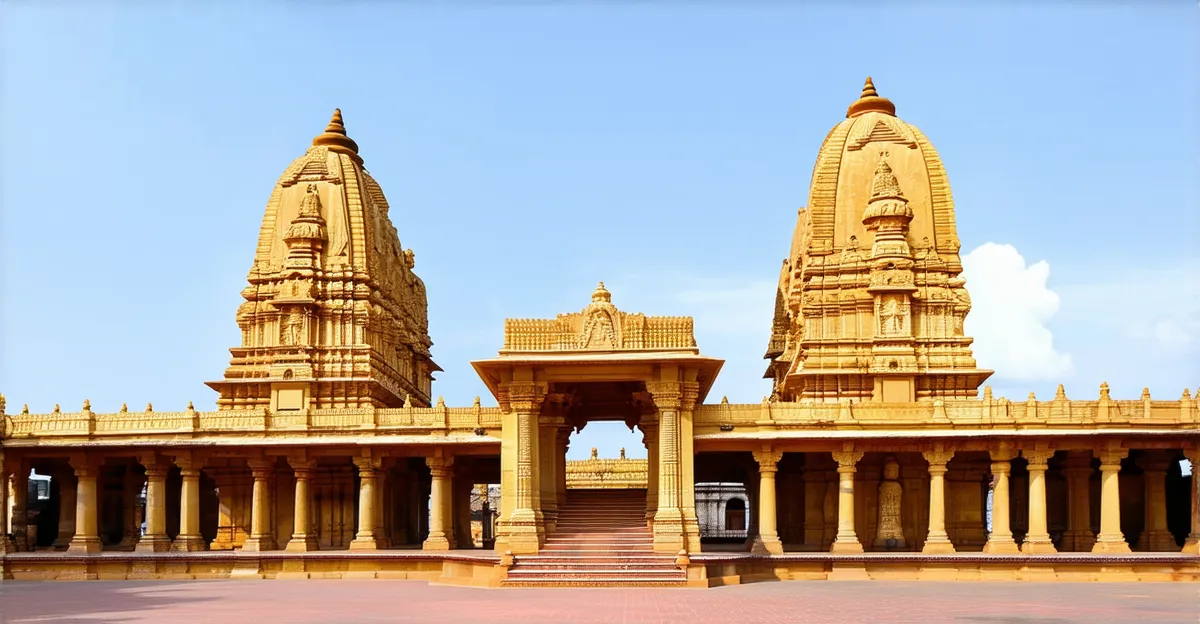
Table of Contents
Things to Do in Thanjavur: Your Ultimate 2026 Guide
Looking for the best Things to Do in Thanjavur in 2026? This comprehensive guide unveils the top attractions, cultural experiences, and hidden gems that make Thanjavur a must-visit destination in Tamil Nadu. Discover the historical and artistic wonders that await you in this ancient city.
Marvel at the Brihadeeswarar Temple (Big Temple)
The Brihadeeswarar Temple, also known as the Big Temple, stands as a testament to the architectural prowess of the Chola dynasty. A UNESCO World Heritage site, this magnificent temple is not just a place of worship but a historical landmark that draws visitors from across the globe. The temple’s intricate carvings, massive structure, and spiritual significance make it a must-see attraction in Thanjavur. Exploring this temple is undoubtedly one of the top Things to Do in Thanjavur (Tanjore).
A Glimpse into Chola Architecture
Built by Raja Raja I in the 11th century, the Brihadeeswarar Temple showcases the grandeur of Chola architecture. The Vimana (tower) soaring to a height of over 200 feet, is a marvel of engineering, especially considering the era in which it was constructed. The single stone Kumbam (apex) atop the tower is believed to weigh around 80 tons and its placement remains an engineering mystery to this day. Furthermore, the temple complex houses numerous shrines, pillared halls, and intricately carved sculptures that narrate tales from Hindu mythology. These elements collectively make the temple a significant representation of Chola artistry and devotion.
Pro Tip: Visit the temple early in the morning to avoid crowds and experience the serene atmosphere. Photography is allowed, but be respectful of the religious sentiments. Dress modestly when visiting.
The temple’s main deity is Lord Shiva, and the massive Nandi (bull) statue, carved out of a single stone, guards the sanctum. The walls of the temple are adorned with frescoes from the Chola and Nayak periods, offering insights into the cultural and artistic trends of the time. As you wander through the temple complex, you’ll be transported back in time, gaining a deeper appreciation for the rich heritage of South India. Moreover, the temple’s architectural details provide a window into the advanced engineering skills of the Chola artisans.
Visiting the Brihadeeswarar Temple is more than just sightseeing; it’s an immersive cultural experience. Whether you are interested in history, architecture, or spirituality, the temple offers something for everyone. Consider spending a few hours exploring the complex to fully appreciate its beauty and significance. Indeed, this is one of the most enriching Thanjavur Experiences you can have.
To make your travel arrangements easier, consider a private transfer from Pondicherry to Thanjavur. Also, feel free to explore more Thanjavur activities for a comprehensive travel plan.
Explore the Thanjavur Royal Palace Museum and Saraswathi Mahal Library
The Thanjavur Royal Palace Museum and Saraswathi Mahal Library are integral components of the Thanjavur Maratha Palace Complex, offering a deep dive into the region’s rich history and cultural heritage. A visit to these institutions is essential for anyone wanting to understand the legacy of the Maratha rulers who once governed Thanjavur. Moreover, the palace itself is an architectural marvel, showcasing a blend of Maratha and Nayak styles, making it an attraction in itself. Therefore, exploring these sites is one of the key Things to Do in Thanjavur (Tanjore).
The Royal Palace Museum: A Glimpse into the Past
The Royal Palace Museum houses an extensive collection of artifacts that provide insight into the lives and times of the Maratha royalty. As you wander through the museum’s halls, you’ll encounter displays of ancient weaponry, royal costumes, and exquisite artwork. Additionally, the exhibits detail the administrative and cultural practices of the era. Furthermore, it is worth noting the intricate carvings and architectural details within the museum, reflecting the artistic prowess of the artisans of that time. For those interested in history and art, this museum is a treasure trove. Indeed, it encapsulates the essence of Thanjavur Attractions. You can also explore related Thanjavur Activities for a broader experience.
Pro Tip: Allocate at least 2-3 hours to fully explore both the museum and the library. Consider hiring a local guide to gain deeper insights into the exhibits.
Adjacent to the museum, the Saraswathi Mahal Library stands as one of Asia’s oldest libraries. It contains a remarkable collection of manuscripts, books, and maps in various languages, including Sanskrit, Tamil, Marathi, and English. The library’s collection includes ancient palm-leaf manuscripts, paper manuscripts, and rare books that document various aspects of Indian history, culture, and science. Therefore, scholars and history enthusiasts will find this library to be an invaluable resource. In fact, it’s one of the unmissable Thanjavur Experiences. Furthermore, the library’s conservation efforts are commendable, ensuring that these precious documents are preserved for future generations.
Overall, the Thanjavur Royal Palace Museum and Saraswathi Mahal Library offer an enriching experience, allowing visitors to connect with the region’s vibrant past. These sites not only showcase historical artifacts but also provide a deeper understanding of the cultural and intellectual achievements of the Maratha rulers. In conclusion, make sure to include this destination in your itinerary when planning your trip to Thanjavur. If you are looking for private transfers, check out this GetYourGuide link for options from Pondicherry.
Witness Traditional Arts and Crafts: Thanjavur Paintings and Bronze Sculptures
Thanjavur, also known as Tanjore, is renowned as a cradle of traditional South Indian arts and crafts. As you explore the city, witnessing the intricate Thanjavur paintings and the remarkable bronze sculptures is essential to understanding its cultural richness. These art forms have deep historical roots and continue to thrive, showcasing the exquisite craftsmanship passed down through generations. Indeed, experiencing these art forms offers a profound connection to the city’s heritage and artistic legacy. The creation of these artworks contributes significantly to the list of Things to Do in Thanjavur (Tanjore).
Thanjavur Paintings: A Glimpse into Divine Art
Thanjavur paintings are characterized by their rich colors, intricate detailing, and the use of gold leaf, which adds a distinctive shimmer to the artwork. Typically, these paintings depict Hindu gods, goddesses, and mythological scenes, reflecting the region’s strong religious and cultural identity. The process involves using a wooden plank as a base, which is then coated with cloth and lime paste. After the base dries, the artist meticulously draws the design, embellishes it with precious and semi-precious stones, and finally, applies the gold leaf. Moreover, the raised relief work and the vibrant colors make these paintings truly captivating. It’s a skill still practiced by many local artisans, giving tourists plentiful Thanjavur (Tanjore) Experiences. Furthermore, these paintings are not merely artistic creations but also cultural artifacts that embody the spiritual and artistic values of the region.
Pro Tip: Visit local art studios to witness the creation of Thanjavur paintings firsthand and purchase authentic pieces directly from the artisans, ensuring you get a genuine work of art.
In addition to paintings, Thanjavur is also famed for its bronze sculptures. These sculptures are crafted using the lost-wax casting technique, an ancient method that yields intricate and durable artworks. Bronze sculptures often depict deities, saints, and mythological figures, playing a significant role in temple rituals and religious processions. The sculptures are known for their smooth finish, precise detailing, and aesthetic appeal. For instance, the Chola bronze sculptures, particularly those of Nataraja (Lord Shiva as the cosmic dancer), are celebrated worldwide for their artistic excellence.
Exploring the art galleries and workshops in Thanjavur provides an opportunity to witness the mastery of local artisans. Many workshops offer demonstrations of the painting and sculpting processes, providing insights into the techniques and traditions behind these art forms. You can also find a variety of Thanjavur (Tanjore) Attractions displaying these remarkable pieces. Supporting local artisans by purchasing their creations helps preserve these traditional arts and crafts for future generations. For instance, consider booking a day tour from Pondicherry to fully immerse yourself in the artistic offerings of Thanjavur.
Visit the Schwartz Church: A Colonial Landmark
The Schwartz Church, also known as the St. Peter’s Church, stands as a poignant reminder of Thanjavur’s colonial past and the enduring legacy of Christian missionary work in South India. Built in 1779 by Reverend Christian Friedrich Schwartz, a Danish missionary, the church served as a place of worship and community gathering for European settlers and local converts. Its architecture, a blend of European and Indian styles, reflects the cultural exchange that characterized this period. Visiting the Schwartz Church offers a glimpse into the history of colonialism and religious influence in the region, making it one of the unique Things to Do in Thanjavur (Tanjore).
Architectural and Historical Significance
The church’s architecture is simple yet elegant, featuring a rectangular layout with a gabled roof and a modest bell tower. Inside, the church is adorned with wooden pews, a marble altar, and commemorative plaques that tell the stories of early missionaries and their contributions to the community. Of particular interest is the epitaph on Schwartz’s tomb, written by his close friend, Raja Serfoji, a Maratha ruler known for his progressive views and patronage of the arts and sciences. This epitaph reflects the deep respect and friendship that transcended cultural and religious boundaries. Exploring the church’s interior provides a tangible connection to the past and enriches your understanding of Thanjavur Attractions. The serene atmosphere invites contemplation and appreciation for its historical importance.
Moreover, the Schwartz Church holds immense historical significance as it represents a period of cultural and religious interactions. Reverend Schwartz was not only a missionary but also a diplomat and educator who played a crucial role in mediating between the British East India Company and local rulers. His dedication to education and social welfare left a lasting impact on the region. Today, the church continues to function as a place of worship, preserving its heritage while serving the local Christian community. Visitors to Thanjavur should consider a visit to this landmark to experience its historical and spiritual ambiance.
For those seeking a deeper understanding of Thanjavur’s history and colonial influences, the Schwartz Church is an essential stop. It provides a contrasting perspective to the grand temples and palaces that dominate the city’s landscape, adding depth and complexity to the narrative of Thanjavur. As you plan your visit, consider also exploring other historical sites in the area to gain a more comprehensive view of the region’s past. Experiencing sites like this is among the important Thanjavur Experiences.
To make your travel arrangements easier, consider booking a convenient private transfer to Thanjavur. Additionally, you might like to explore more Thanjavur attractions here.
Relax at Sivaganga Garden
Sivaganga Garden, located to the east of the Brihadeeswarar Temple in Thanjavur, offers a serene escape from the bustling city life. This historic garden, featuring a square tank built by the Nayak rulers in the 16th century, provides a tranquil environment for relaxation and reflection. Therefore, it’s a perfect spot for both locals and tourists seeking a peaceful retreat amidst lush greenery. The garden’s well-maintained lawns, vibrant flower beds, and shady trees make it an ideal place to unwind and enjoy the natural beauty of Thanjavur. Moreover, the cool breeze and calm atmosphere add to the overall soothing experience.
A Perfect Spot for Leisure and Recreation
Sivaganga Garden is not only a place for quiet contemplation but also offers various recreational opportunities. Families often visit to enjoy picnics, while children can play freely in the open spaces. Additionally, the garden provides ample space for morning walks and jogging, making it a popular destination for fitness enthusiasts. The well-manicured pathways invite visitors to take leisurely strolls, admiring the carefully landscaped surroundings. Furthermore, the garden’s proximity to the Brihadeeswarar Temple allows visitors to combine a spiritual experience with a relaxing outdoor visit, truly encapsulating the diverse Things to Do in Thanjavur (Tanjore).
Pro Tip: Visit Sivaganga Garden during the early morning or late afternoon to avoid the midday heat and fully appreciate the tranquility of the surroundings. Don’t forget to bring a mat or blanket for a comfortable picnic!
The garden’s historical significance adds another layer to its appeal. As part of the Thanjavur Royal Palace complex, Sivaganga Garden reflects the region’s rich cultural heritage. Historically, this tank provided water to the palace and surrounding areas, highlighting its importance in the city’s infrastructure. Today, it serves as a reminder of Thanjavur’s glorious past, offering visitors a glimpse into the lifestyle of the Nayak rulers. Thus, exploring the garden provides both relaxation and an enriching historical experience, making it one of the key Thanjavur (Tanjore) Attractions.
For those planning a trip to Thanjavur, Sivaganga Garden is a must-visit destination. Its peaceful ambiance and historical significance make it a standout among the various Thanjavur (Tanjore) Outdoor Activities. Before your visit, you might also consider exploring other activities in Thanjavur to make the most of your trip. And if you’re coming from afar, why not consider a convenient private transfer from Pondicherry to enhance your journey?
Attend the Thanjavur Dance Festival (Natyanjali) during February/March
One of the most captivating Things to Do in Thanjavur (Tanjore) is attending the Natyanjali Dance Festival. Held annually during February or March, this vibrant festival is a celebration of classical Indian dance, specifically Bharatanatyam. The festival unfolds at the magnificent Brihadeeswarar Temple, also known as the Big Temple, providing a stunning backdrop that enhances the spiritual and artistic atmosphere. Therefore, planning your visit to coincide with this event offers a unique opportunity to immerse yourself in the rich cultural heritage of the region. The air buzzes with excitement as dancers from across India gather to pay homage to Lord Shiva, the presiding deity of the temple.
The Natyanjali Festival is not just a performance; it is a devotional offering. Dancers express their reverence through intricate movements, graceful gestures, and expressive storytelling. Moreover, the festival promotes cultural preservation and provides a platform for both established and emerging artists. Consequently, attendees can witness a diverse range of performances, each showcasing a unique interpretation of Bharatanatyam. This makes it a must-see among Thanjavur Experiences.
Experiencing the Festival
Attending the Natyanjali Dance Festival is more than just watching a performance; it’s an immersive cultural experience. The festival typically spans several days, with performances held in the evenings. Furthermore, the temple grounds come alive with vibrant decorations and a palpable sense of devotion. Therefore, arrive early to secure a good viewing spot and soak in the atmosphere. Additionally, be sure to explore the temple complex during the day to fully appreciate its architectural grandeur and historical significance. Beyond the dance, the festival provides a chance to witness the local traditions and customs of Thanjavur, further enriching your cultural journey. For those interested, you can check out more cultural activities in Thanjavur.
In addition to the dance performances, the festival often features stalls selling local handicrafts, textiles, and traditional food. This provides an excellent opportunity to support local artisans and sample the regional cuisine. Moreover, engaging with the local community adds a personal touch to your travel experience. Therefore, take the time to interact with the vendors, learn about their craft, and savor the flavors of Thanjavur. This is among the most memorable Thanjavur Attractions. For travel options from nearby cities, consider a private transfer from Pondicherry to Tanjore.
Attending the Natyanjali Dance Festival is a truly unforgettable experience that allows you to witness the beauty and spirituality of classical Indian dance in a magnificent setting. It’s a highlight among Things to Do in Thanjavur, offering a deep dive into the region’s cultural soul. Plan your visit accordingly and prepare to be mesmerized by the artistry and devotion on display.
To enhance your trip, book your tour to Trichy & Tanjore here and experience the best of South India.
Ready to explore the best Things to Do in Thanjavur? Plan your trip today and immerse yourself in the rich cultural heritage of this historic city!
Frequently Asked Questions
A: The Brihadeeswarar Temple, also known as the Big Temple, is a UNESCO World Heritage site and a masterpiece of Chola architecture. Its intricate carvings, massive Nandi statue, and towering vimana (tower) make it a must-see.
A: The Thanjavur Royal Palace Museum houses a vast collection of artifacts, including Chola bronzes, royal costumes, and ancient manuscripts. The Saraswathi Mahal Library contains a rare collection of palm-leaf manuscripts and books in various languages.
A: Thanjavur is renowned for its traditional arts and crafts, including Thanjavur paintings (classical South Indian painting style), veena making, and bronze sculpture. You can visit local workshops and studios to witness these crafts being made and purchase souvenirs.
A: The best time to visit Thanjavur is during the winter months (October to March) when the weather is pleasant and ideal for sightseeing. The summer months (April to June) can be very hot and humid.
A: Consider visiting the Schwartz Church, a beautiful example of colonial architecture, and the Sivaganga Garden, a serene place for relaxation. Also, explore the local markets for an authentic taste of Thanjavur.