
Thanjavur Attractions: Top Spots in 2026
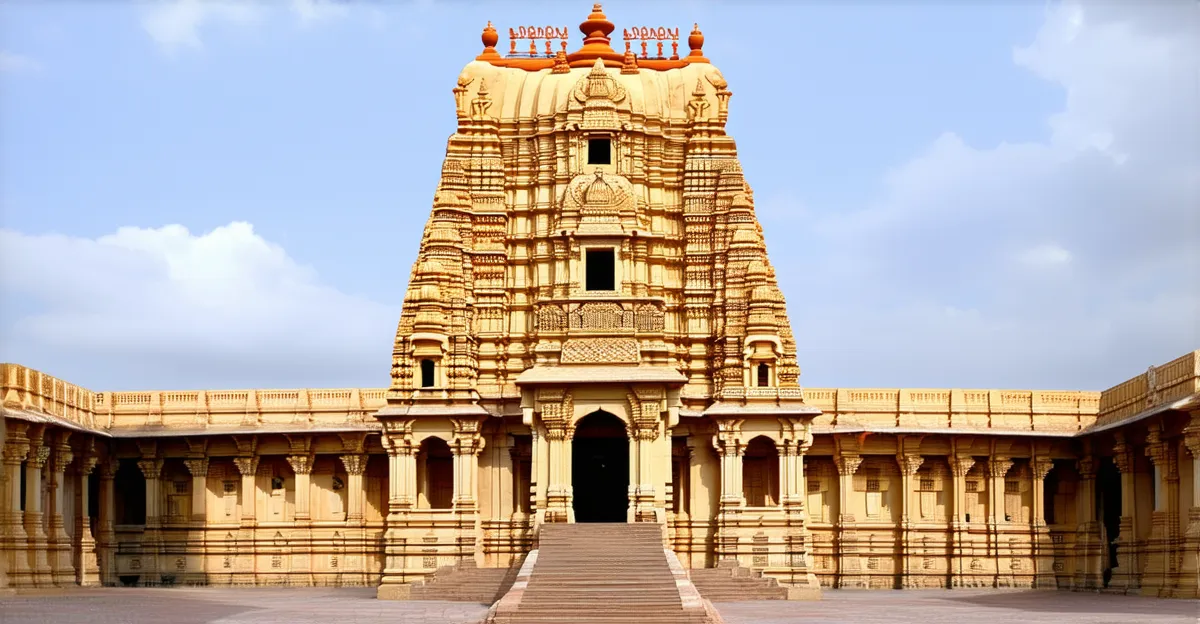
Table of Contents
Discover the Best Thanjavur Attractions in 2026
Discover the best Thanjavur Attractions in 2026! Thanjavur, also known as Tanjore, is a city steeped in rich history and cultural heritage. As a prime destination for tourists, Thanjavur offers an array of attractions that showcase its glorious past. From magnificent temples to intricate art forms, explore the captivating Thanjavur Attractions that make this city a jewel in Tamil Nadu.
Brihadeeswarar Temple: A UNESCO World Heritage Site
The Brihadeeswarar Temple, a magnificent UNESCO World Heritage Site, stands as a testament to the architectural prowess of the Chola dynasty. Constructed in the 11th century by Raja Raja I, this temple is not only a place of worship but also a historical landmark showcasing the grandeur of South Indian art and culture. As one of the most significant Thanjavur (Tanjore) Attractions, it draws visitors from around the globe, eager to witness its stunning vimana (tower) and intricate carvings. Moreover, its imposing structure and spiritual ambiance offer a unique glimpse into India’s rich heritage.
Architectural Marvel and Historical Significance
The temple’s most striking feature is its towering vimana, which rises to a height of over 200 feet and is capped with a single stone weighing approximately 80 tons. The engineering behind this structure remains a subject of awe and study. The temple complex houses numerous shrines, pillared halls, and detailed sculptures depicting various Hindu deities and mythological scenes. Furthermore, inscriptions on the walls provide valuable insights into the Chola period, including their administrative systems, cultural practices, and religious beliefs. Therefore, visiting the Brihadeeswarar Temple is akin to stepping back in time and experiencing the opulence of a bygone era.
Pro Tip: Plan your visit during the early morning or late afternoon to avoid the harsh midday sun. This also provides a serene atmosphere for exploring the temple complex and appreciating its architectural details.
Exploring the temple complex provides a multitude of Things to Do in Thanjavur (Tanjore). Walking around the outer courtyard, you can admire the Nandi Mandapam, which houses a massive monolithic Nandi (bull), the vehicle of Lord Shiva. Additionally, the intricate carvings on the walls and pillars narrate stories from Hindu scriptures, offering a visual feast for art enthusiasts and history buffs alike. Consequently, the Brihadeeswarar Temple is more than just a religious site; it’s a treasure trove of art, architecture, and history.
Furthermore, experiencing the cultural richness of Thanjavur extends beyond the temple itself. Consider immersing yourself in local traditions and festivals, which often feature vibrant music, dance, and culinary delights. For those seeking Thanjavur (Tanjore) Experiences, a visit to the Brihadeeswarar Temple is an essential starting point, leading to a deeper appreciation of the region’s heritage. Since you’re in the area, consider a private transfer from Pondicherry to Tanjore to explore more.
For a more detailed exploration of similar sites, Explore More Thanjavur (Tanjore) Activities, offering a comprehensive guide to enhancing your travel experience.
Thanjavur Maratha Palace: A Glimpse into Royal History
The Thanjavur Maratha Palace, a prominent historical landmark in Thanjavur, offers visitors a fascinating glimpse into the regal past of the Maratha rulers. Constructed partially by the Nayak rulers and completed by the Maratha dynasty, the palace stands as a testament to the region’s rich cultural and architectural heritage. Exploring this grand edifice provides a unique perspective on the administrative and residential life of the erstwhile royalty. The palace complex, with its sprawling courtyards, Durbar Hall, and intricately designed structures, is a must-visit for anyone interested in history and architecture. As you wander through its halls, you’ll be transported back in time, envisioning the grandeur and power that once resided within these walls.
Architectural Marvels and Historical Significance
The architectural layout of the Thanjavur Maratha Palace is a blend of Nayak and Maratha styles, reflecting the diverse influences that shaped its identity. The complex includes several distinct sections, such as the Durbar Hall, which served as the royal court, and the Queen’s Quarters, each showcasing unique artistic and structural elements. Furthermore, the presence of intricately carved doorways, painted ceilings, and expansive courtyards adds to the palace’s overall allure. Historical artifacts and exhibits are carefully preserved within the palace, providing invaluable insights into the Maratha dynasty’s reign and their contributions to the region. For Thanjavur Attractions, the palace is a central highlight that encapsulates the city’s historical depth. Also, this site enhances the cultural exploration, and you can discover more Things to Do in Thanjavur.
In addition to its architectural grandeur, the palace holds immense historical significance. It served as the center of Maratha power in Thanjavur and played a crucial role in the region’s political and cultural landscape. The palace witnessed numerous historical events, royal ceremonies, and administrative decisions that shaped the destiny of Thanjavur. Today, it stands as a living monument to the Maratha rulers and their legacy. The palace also provides a platform for understanding the socio-cultural dynamics of the period, offering a comprehensive view of life during the Maratha reign. Moreover, understanding the history enriches your experience of Thanjavur Experiences. Also, for those interested in venturing further, consider a private transfer to Tanjore from Pondicherry to explore more of the region.
Pro Tip: Allocate at least 2-3 hours to fully explore the palace complex and immerse yourself in its historical atmosphere. Consider hiring a local guide to gain deeper insights into the palace’s history and architecture.
For travelers planning their itinerary, the Thanjavur Maratha Palace is an essential stop. Its historical importance, architectural beauty, and cultural significance make it one of the most compelling Thanjavur (Tanjore) Attractions. As one of the most accessible and informative sites about the past, visiting this landmark is an enriching experience that offers a profound appreciation for the Maratha dynasty and their impact on Thanjavur. Discover more about Thanjavur Activities and plan your visit to this majestic palace today. To delve deeper into Thanjavur’s offerings, explore additional cultural activities and consider a private day tour from Madurai to enhance your experience.
Saraswathi Mahal Library: An Ancient Repository of Knowledge
The Saraswathi Mahal Library in Thanjavur, also known as the Tanjore Maharaja Serfoji’s Sarasvati Mahal Library, is one of Asia’s oldest libraries, boasting a remarkable collection of manuscripts, books, and maps. Founded in the late 16th century, its treasures reflect centuries of intellectual pursuit and cultural preservation. Visiting this library offers a unique opportunity to delve into the rich history and literary heritage of India. Exploring the Saraswathi Mahal Library should undoubtedly be on your list of Things to Do in Thanjavur. Furthermore, its historical significance and extensive collection make it a must-see Thanjavur (Tanjore) Attraction.
A Treasure Trove of Manuscripts and Books
The library houses an extraordinary assortment of over 60,000 volumes, including palm-leaf manuscripts written in various languages such as Sanskrit, Tamil, Telugu, Marathi, and English. These manuscripts cover a wide array of subjects, ranging from literature and grammar to medicine and astronomy. The library’s collection also includes rare books, maps, and atlases, providing invaluable insights into the intellectual and artistic achievements of past eras. Moreover, the meticulous preservation efforts ensure that these historical documents remain accessible to scholars and enthusiasts for generations to come.
The Saraswathi Mahal Library isn’t just a repository of old texts; it’s a living monument to the pursuit of knowledge. Walking through its halls, one can almost feel the presence of the scholars and scribes who dedicated their lives to creating and preserving these invaluable works. This experience offers a profound connection to India’s rich intellectual history. Furthermore, the library’s serene atmosphere provides a reflective space for contemplation and appreciation of human ingenuity. You can find more engaging Thanjavur (Tanjore) Activities to complement your visit.
Pro Tip: Check for guided tours to gain deeper insights into the library’s history and its most significant collections. The guides often share fascinating stories about the manuscripts and the scholars who created them.
Visiting the Saraswathi Mahal Library provides an enriching experience, connecting you with the intellectual and cultural heritage of India. Whether you’re a history buff, a literature enthusiast, or simply curious about the past, this ancient repository of knowledge is sure to leave a lasting impression. Besides, remember to explore other cultural gems while discovering Thanjavur (Tanjore) Experiences. Consider enhancing your journey with a private day tour from Pondicherry to Thanjavur to make the most of your trip.
Thanjavur Art Gallery: Showcasing Bronze and Stone Sculptures
The Thanjavur Art Gallery, situated within the Thanjavur Maratha Palace complex, is a treasure trove of South Indian art and history. This gallery is renowned for its impressive collection of bronze and stone sculptures, offering visitors a deep dive into the artistic achievements of the Chola, Pallava, and Pandya dynasties. Housed in a section of the palace, the gallery provides a captivating glimpse into the craftsmanship and cultural values of bygone eras. Exploring the gallery is an essential experience for anyone interested in the region’s rich heritage and artistic traditions. The gallery stands as a testament to the enduring legacy of South Indian artistry, drawing art enthusiasts and history buffs alike.
Highlights of the Sculpture Collection
The collection primarily features bronze and stone sculptures dating back to the 9th and 12th centuries. These sculptures depict various deities, mythological figures, and scenes from Hindu epics. Among the notable exhibits are intricately crafted Nataraja statues, showcasing the cosmic dance of Lord Shiva, and various forms of Vishnu and other prominent Hindu gods. Each sculpture reflects the exceptional skill and attention to detail of the artisans who created them. Moreover, the gallery’s layout allows visitors to appreciate the evolution of sculptural styles over several centuries. For those planning their visit, it’s worth checking out Thanjavur Activities for other cultural experiences in the area.
Pro Tip: Allocate at least two hours to fully explore the Thanjavur Art Gallery and appreciate the intricate details of each sculpture. Consider hiring a local guide for in-depth insights into the history and significance of the artworks.
Besides the sculptures, the Thanjavur Art Gallery offers a unique opportunity to understand the historical context in which these artworks were created. The gallery’s location within the Thanjavur Maratha Palace adds to its charm, allowing visitors to experience the grandeur of the Maratha rulers while immersing themselves in South Indian art. Additionally, the serene atmosphere of the gallery provides a peaceful setting for contemplation and appreciation of these ancient masterpieces. Make sure to also explore Things to Do in Thanjavur to make the most of your trip.
For those looking to explore the region further, various tours are available, such as a private day tour to Trichy, Tanjore, and Chettinad from Madurai, offering a comprehensive cultural experience. Furthermore, if you’re interested in outdoor activities, explore the Thanjavur Outdoor Activities for a different perspective on the region’s attractions. Delve into the rich artistic heritage and plan your visit today!
Schwartz Church: A Colonial-Era Landmark
The Schwartz Church, formally known as Christ Church, stands as a testament to the colonial history of Thanjavur. Built in 1779 by Rev. Christian Friedrich Schwartz, a Danish missionary, this church reflects a blend of European architectural styles adapted to the Indian climate. More than just a religious site, it serves as a historical landmark, offering insights into the cultural exchanges and missionary activities that once shaped the region. Its serene ambiance and historical significance make it a must-visit among Thanjavur (Tanjore) Attractions.
The church’s construction was commissioned by Thulaja Rajah Serfoji, the Maratha ruler, as a token of gratitude for Schwartz’s service and friendship. Schwartz played a crucial role in mediating between the British and the local rulers, earning respect and admiration from both sides. As a result, the church embodies a unique symbol of interfaith respect and colonial interactions. Therefore, it provides a fascinating glimpse into the relationships between different cultures and powers during that era.
Architectural Highlights and Historical Significance
The architecture of Schwartz Church is characterized by its simple yet elegant design. The structure features a rectangular layout, whitewashed walls, and a tiled roof. Inside, the church is adorned with memorial tablets and inscriptions that narrate the life and contributions of Rev. Schwartz. Of particular note is the marble tablet sculpted by renowned artist John Flaxman, depicting Schwartz on his deathbed, surrounded by his friends and admirers. This artwork adds immense artistic and historical value to the church. Moreover, the well-maintained interiors evoke a sense of tranquility and reverence, making it an ideal place for reflection.
Visiting Schwartz Church offers a unique opportunity to step back in time and appreciate the colonial history of Thanjavur. The church is not only a place of worship but also a repository of stories and memories that connect the past with the present. While exploring the church, consider that it reflects the diverse influences that have shaped Thanjavur’s cultural landscape. Furthermore, take time to appreciate the intricate details of its architecture and the poignant narratives behind the memorial tablets. It is indeed one of the significant Things to Do in Thanjavur (Tanjore) to understand the city’s multifaceted heritage.
For those seeking a more comprehensive tour of historical sites in the region, you might find value in this private day tour from Pondicherry to Thanjavur, offering insights into other nearby cultural landmarks. Discover more Thanjavur (Tanjore) Experiences by visiting this page.
Sivaganga Park: A Serene Escape in the City
Nestled in the heart of Thanjavur, Sivaganga Park provides a refreshing contrast to the bustling city life. This beautifully landscaped park, adjacent to the historic Brihadeeswarar Temple, offers a tranquil environment for relaxation and recreation. Whether you are a local seeking a peaceful retreat or a tourist exploring Thanjavur (Tanjore) Attractions, Sivaganga Park is a must-visit destination. The park’s well-maintained gardens, serene lake, and various recreational facilities make it an ideal spot for families, couples, and Solo travelers alike. As a result, it is a place for connecting with nature and enjoying some quiet moments.
A Historical Oasis
Sivaganga Park is not just a modern recreational space; it is also steeped in history. The park surrounds the Sivaganga Tank, a water body believed to have been built by the kings of the Thanjavur Nayak dynasty in the 16th century. This historical connection adds to the park’s allure, making it more than just a green space. Furthermore, the park’s design incorporates elements that reflect its historical significance, such as traditional sculptures and architectural features. For those interested in the historical dimension of Thanjavur Experiences, the park offers a unique glimpse into the region’s rich heritage.
Pro Tip: Visit Sivaganga Park early in the morning or late in the afternoon to avoid the midday heat and enjoy the most pleasant atmosphere. Bring a book or a picnic to fully savor the tranquility of the surroundings.
The park boasts numerous Thanjavur Outdoor Activities, including boating in the Sivaganga Tank, walking along the scenic pathways, and enjoying the children’s play area. The lush greenery and colorful flowerbeds create a visually appealing environment that is perfect for photography and nature appreciation. Moreover, the park often hosts local events and cultural performances, providing visitors with an opportunity to immerse themselves in the local culture. Therefore, ensure you check the local listings during your visit.
For tourists looking for a break from temple visits and historical sites, Sivaganga Park offers a welcome respite. The park’s serene atmosphere and recreational facilities make it an ideal place to unwind and recharge. You can easily spend a few hours here, enjoying the natural beauty and engaging in various Things to Do in Thanjavur (Tanjore). Additionally, its close proximity to other major attractions makes it a convenient stop on your Thanjavur itinerary. For those arriving from Pondicherry, consider a private transfer to Tanjore to explore these attractions.
To discover more about the cultural activities and experiences Thanjavur has to offer, explore additional activities in Thanjavur and plan your visit to Sivaganga Park today!
Ready to explore the best Thanjavur Attractions? Plan your visit today and discover the historical and cultural richness of this incredible city!
Frequently Asked Questions
A: The Brihadeeswarar Temple, also known as the Big Temple, is a UNESCO World Heritage site and a must-visit attraction in Thanjavur. It’s renowned for its Dravidian architecture and intricate carvings.
A: The ideal time to visit Thanjavur and explore its attractions is during the winter months, from November to February, when the weather is pleasant and suitable for sightseeing.
A: The Thanjavur Maratha Palace showcases a blend of Maratha and Dravidian architectural styles, housing a museum, library, and art gallery. It offers insights into the region’s royal history and artistic heritage.
A: Thanjavur is renowned for its unique Thanjavur paintings, bronze idols, and classical Carnatic music. Experiencing these cultural facets adds depth to your exploration of Thanjavur’s attractions.
A: Yes, Thanjavur is a safe city for tourists. However, it’s always wise to take standard safety precautions, such as protecting your belongings and being aware of your surroundings, especially in crowded areas.