
Discover Helsinki’s Top Historical Sites & Culture
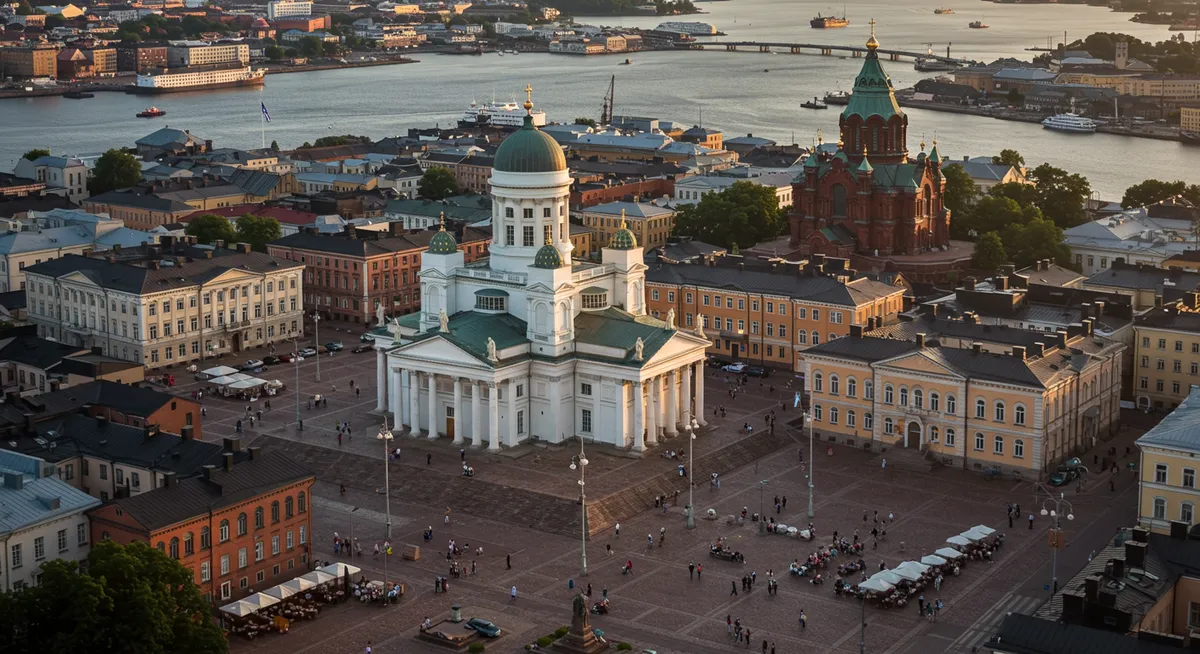
Table of Contents
Discover Helsinki’s Top Historical Sites & Culture
Having explored countless cities across Europe, I’ve always found Helsinki to be a treasure trove of history, subtly woven into its modern fabric. It’s not just about the trendy design or delicious food; beneath the surface lies a rich tapestry of stories, waiting to be discovered. If you’re a fellow culture seeker, you’re in for a treat! Helsinki boasts incredible historical sites that truly capture the essence of Finnish heritage and national identity. Join me as we uncover the most culturally significant spots in this vibrant Nordic capital.
Suomenlinna Sea Fortress: A UNESCO World Heritage Site
For practical details and last-minute changes, use Lonely Planet Helsinki.
For practical details and last-minute changes, use Fortress of Suomenlinna.
Perched on a cluster of islands just a short ferry ride from the city center, Suomenlinna is undeniably one of the most prominent historical sites in Helsinki. This formidable sea fortress, a UNESCO World Heritage site, served as a crucial defense point for centuries, first under Swedish, then Russian, and finally Finnish rule. Walking its ancient walls, you can almost hear the echoes of battles and daily life from different eras. It’s an incredible place to spend a day, exploring tunnels, museums, and enjoying the breathtaking sea views. My tip: don’t miss the King’s Gate, an iconic symbol of the fortress’s grandeur and its long history. Exploring Suomenlinna is among the best Helsinki attractions for history buffs.Senate Square and Helsinki Cathedral: The Neo-Classical Core
Stepping into Senate Square feels like entering a grand, open-air museum. Dominated by the majestic Helsinki Cathedral, its bright white facade and green domes are instantly recognizable, symbolizing the city itself. This square is not just a beautiful architectural ensemble; it’s a place where Finland’s independence was declared, making it one of the most significant historical sites in Helsinki. Surrounding the square are other important buildings like the Government Palace and the University of Helsinki, all designed by Carl Ludvig Engel in the 19th century. Taking a moment here, I always feel connected to the heart of Finnish identity. Consider a cultural walking tour to fully appreciate its nuances.
Old Church Park (Vanha Kirkkopuisto): Historical Echoes
Often called ‘Plague Park’ by locals due to its past as a cemetery during a devastating plague, the Old Church Park is a poignant and historically significant green space. While it might seem unassuming, this serene park tells a quiet but powerful story of Helsinki’s past, serving as a reminder of earlier times and the lives lived within the city. It’s a tranquil spot for reflection, and beneath its peaceful surface lies a deep layer of cultural significance. You’ll find the Old Church, designed by C.L. Engel, standing proudly nearby. Understanding places like this helps grasp local customs and etiquette related to respectful public spaces.
Uspenski Cathedral: A Glimpse into Eastern History
🎯 Insider Tip: Discover the best Helsinki experiences with Viator Tours!
Just a stone’s throw from the bustling Market Square, Uspenski Cathedral stands as a striking reminder of Finland’s Russian past and the lasting influence of Orthodox culture. With its golden cupolas and brick facade, it’s a visually stunning contrast to the Lutheran Helsinki Cathedral. Completed in 1868, it is the largest Orthodox church in Western Europe, reflecting the period when Finland was an autonomous Grand Duchy under the Russian Empire. Visiting this site truly broadens your understanding of the diverse layers of history that shaped Helsinki. It’s a powerful and unique part of Helsinki experiences for history and architecture enthusiasts.
Seurasaari Open-Air Museum: Step Back in Time
For a true immersive historical journey, head to Seurasaari Open-Air Museum. Located on a picturesque island, this museum showcases traditional Finnish life through a collection of historic wooden buildings, farmsteads, and manor houses relocated from various parts of the country. It’s not just a collection of old buildings; it’s a living, breathing testament to Finnish cultural heritage and how people lived centuries ago. Wander through the charming cottages, imagine life without modern amenities, and appreciate the rustic beauty. I always recommend it as one of the best things to do in Helsinki to truly grasp the rural roots of the nation’s past.
Frequently Asked Questions
Q: What is the most historically significant site in Helsinki?
A: While many places hold historical importance, Suomenlinna Sea Fortress is often considered the most historically significant. As a UNESCO World Heritage site, its strategic role in Finnish history under Swedish, Russian, and Finnish rule makes it a cornerstone of the nation’s past and a truly captivating historical landmark in Helsinki.
Q: Are Helsinki’s historical sites family-friendly?
A: Absolutely! Many of Helsinki’s historical sites are excellent for families. Suomenlinna, for example, offers open spaces, tunnels to explore, and even geocaching. Seurasaari Open-Air Museum provides an engaging, interactive look at traditional life. Senate Square is also a safe, open area for kids to enjoy while parents admire the architecture.
Exploring the top historical sites in Helsinki with cultural significance offers a profound journey into the heart of Finland’s past. From the formidable walls of Suomenlinna to the serene beauty of Senate Square and the rustic charm of Seurasaari, each location tells a unique story, shaping Helsinki’s identity. These culturally rich spots not only educate but also deeply connect you to the Finnish spirit. So, pack your bags and prepare to be enchanted by the enduring legacy of Helsinki’s heritage. Your adventure into Finnish history awaits!