
Your Guide to Split Customs & Etiquette
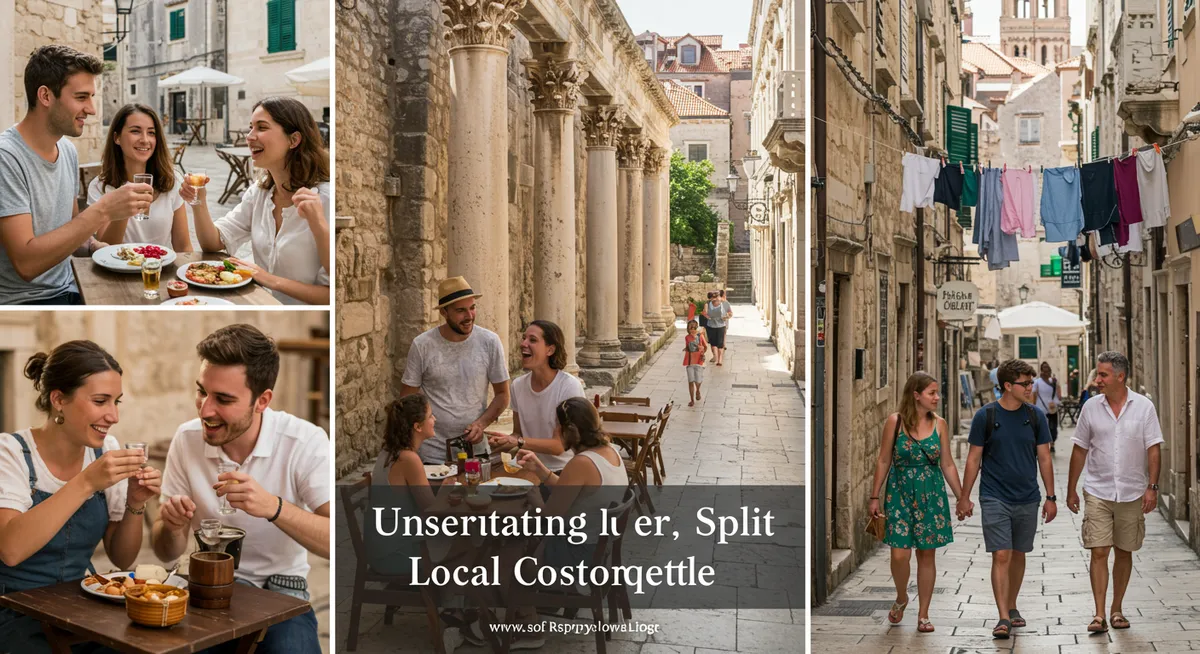
Table of Contents
Embrace Local Life: Understanding Split’s Customs & Etiquette
When you visit Split, Croatia, understanding local customs and etiquette is not just about being polite; it’s about truly connecting with the vibrant culture and wonderful people. As someone who has spent significant time immersing myself in Split’s everyday rhythm, I’ve learned that a little effort goes a long way. This guide will help you embrace the local way of life, ensuring your cultural exploration is both respectful and richly rewarding. Get ready to experience Split like a true local!
Navigating Social Norms: Understanding Local Customs in Split
You can find the latest updates on Croatia Full of Life.
When meeting locals in Split, a warm, genuine smile is always appreciated. Handshakes are common, especially among men, while women might offer a light kiss on each cheek to close friends. Unlike some places, direct eye contact is a sign of sincerity and respect. Croatians value personal space, so avoid standing too close during conversations. Remember, punctuality for social gatherings isn’t as rigid as in some Western cultures; showing up 10-15 minutes late for an informal dinner is generally acceptable. Understanding local customs in Split truly enhances your interactions. I’ve found that a simple ‘Dobar dan’ (Good day) or ‘Doviđenja’ (Goodbye) opens many doors and brings out the famed Croatian hospitality. For more general things to do in Split, exploring local life offers unique insights.Dining & Cafe Culture: Split Etiquette for Food Lovers
Split’s cafe culture is central to daily life. Locals linger over coffee, savoring moments rather than rushing. When at a cafe, wait to be seated or find an empty table. Tipping isn’t mandatory but appreciated for good service; rounding up the bill or leaving 5-10% is customary. At restaurants, it’s polite to wait for the host or server to seat you. When toasting, use ‘Živjeli!’ (Cheers!) and make eye contact. Generally, Croatians pay with cash for smaller transactions, but cards are widely accepted in most establishments. Don’t be surprised if the waiter doesn’t bring the bill until you ask; it’s not a slight, just part of the relaxed pace. To truly immerse yourself in authentic local food experiences in Split, Croatia, understanding this etiquette is key.
Public Spaces & Dress Code: Respecting Split’s Heritage & Customs
When exploring Split’s stunning historical sites, such as Diocletian’s Palace or local churches, respectful dress is important. Shoulders and knees should be covered, especially when entering religious buildings. While Split is a coastal city with a relaxed vibe, avoid walking around shirtless or in overly revealing swimwear outside of beach areas. Public displays of affection are generally discreet. Croatians appreciate a quiet demeanor in historical and sacred places. I always recommend wearing comfortable yet modest clothing when visiting places like Split’s best historical sites, blending in respectfully with local traditions. Remember, keeping noise levels down in residential areas, especially at night, is a common courtesy.
Beyond the Basics: Festivals, Traditions & Language Tips for Split Visitors
💡 Pro Tip: Book your Split adventures in advance through Viator for the best deals!
To deeply appreciate Split, delving into its vibrant traditions and even attempting a few basic Croatian phrases can significantly enhance your trip. Festivals like Sudamja (Saint Domnius Day) in May are huge cultural celebrations. Participate respectfully, and you’ll find immense joy. When visiting markets, a friendly ‘Koliko košta?’ (How much is it?) shows interest. While not widely practiced, a little light haggling might occur in non-fixed price settings, but generally, prices are set. Learning a few words like ‘Molim’ (Please), ‘Hvala’ (Thank you), and ‘Oprostite’ (Excuse me/Sorry) makes a huge difference in connecting with locals. My personal tip: always acknowledge elders with respect; it’s a deeply ingrained aspect of Croatian culture. For immersive experiences, consider unique cultural experiences in Split.
Navigating Cultural Sensitivities: Local Insights & Tips
When discussing history or politics in Split, approach with sensitivity. While Croatians are generally open, topics relating to the Homeland War (1991-1995) can be deeply personal. It’s usually best to let locals initiate these conversations. Avoid generalizing about the Balkans or comparing Croatia to neighboring countries, as Croatians are very proud of their distinct identity and sovereignty. Politeness is paramount, and a direct, overly assertive manner can be off-putting. Always ask for permission before taking photos of people. Understanding local customs and etiquette in Split also means respecting the country’s past. A great way to learn more about the city’s heritage and daily life is through engaging with locals on cultural walking tours in Split Old Town.
Frequently Asked Questions
Q: Is tipping customary in Split, Croatia?
A: Tipping is appreciated but not mandatory in Split. For good service at restaurants or cafes, rounding up the bill or leaving 5-10% is a common gesture. For taxis or other services, it’s fine to round up to the nearest convenient amount.
Q: What should I wear when visiting churches or historical sites in Split?
A: When visiting religious sites or historical landmarks like Diocletian’s Palace, it’s respectful to cover your shoulders and knees. Light, breathable clothing that offers coverage is ideal, especially during warmer months. Avoid overly casual attire like swimwear.
Q: Do I need to learn Croatian phrases to get by in Split?
A: While many younger Croatians and those in the tourism industry speak English, learning a few basic Croatian phrases like ‘Hello’ (Dobar dan), ‘Thank you’ (Hvala), and ‘Please’ (Molim) is highly recommended. Locals appreciate the effort and it can greatly enhance your interactions.
Mastering local customs and etiquette in Split, Croatia, is a rewarding endeavor that will deepen your appreciation for this magnificent city. By embracing these simple guidelines for social interactions, dining, and public behavior, you’ll navigate Split with confidence and respect. The warmth and hospitality of the Croatian people truly shine when visitors show an understanding of their culture. So go ahead, chat with a local, enjoy a leisurely coffee, and soak in the authentic atmosphere. For those planning their itinerary, consider a 3-day cultural itinerary in Split to fully immerse yourself.