
Uyuni Attractions: Unmissable Bolivia in 2026
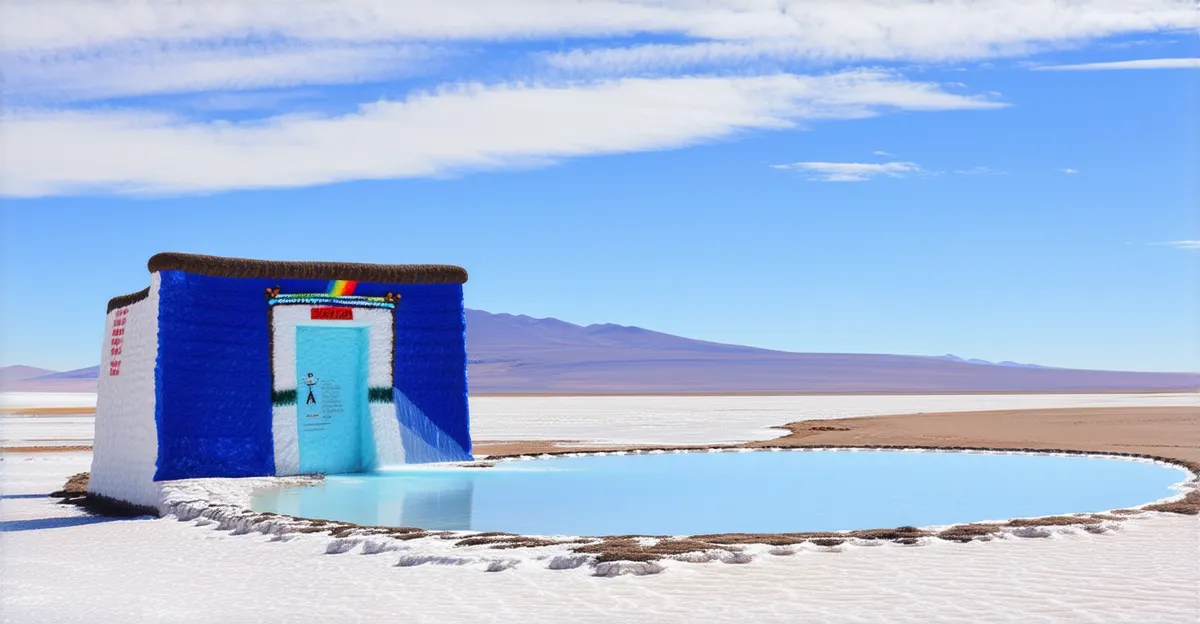
Table of Contents
Top Uyuni Attractions: Your 2026 Travel Guide
Discover the magic of Uyuni in 2026! This comprehensive guide highlights the most breathtaking Uyuni Attractions, from the world-famous Salt Flats to hidden gems in the surrounding landscapes. Plan your unforgettable adventure to Bolivia’s extraordinary destination now.
Salar de Uyuni: The World’s Largest Salt Flat
For current hours, prices, and announcements, start with Gobierno Autónomo Municipal de Uyuni.
For practical details and last-minute changes, use SERNAP - Reserva Nacional de Fauna Andina Eduardo Avaroa.
The Salar de Uyuni, located in southwest Bolivia, is not only the world’s largest salt flat, spanning over 10,000 square kilometers, but also one of the most breathtaking landscapes on Earth. Its vast, seemingly endless expanse of brilliant white salt crust creates surreal and unforgettable vistas. For travelers, exploring the Salar de Uyuni is an essential experience, offering unique photographic opportunities and otherworldly scenery. Furthermore, its stark beauty attracts adventurers and photographers alike, making it a highlight among Uyuni Attractions.A Landscape of Illusions and Wonder
During the rainy season (December to April), a thin layer of water transforms the salt flat into a giant mirror, reflecting the sky above. This creates stunning optical illusions and perspectives, perfect for capturing creative and memorable photographs. Indeed, this phenomenon makes the Salar de Uyuni a photographer’s paradise. Things to Do in Uyuni often revolve around capturing these unique moments, playing with perspective, and creating imaginative scenes against the backdrop of the infinite sky. The dry season (May to November) offers a different kind of beauty, with the crystallized salt forming intricate patterns across the landscape. As a result, both seasons offer distinct and equally captivating experiences. You can discover more about Uyuni’s outdoor activities here.
Pro Tip: Bring props to enhance your perspective photos! Small toys, figurines, or even everyday objects can create hilarious and mind-bending illusions.
Exploring the Salar de Uyuni typically involves a guided tour in a 4×4 vehicle. These tours often include visits to other nearby attractions, such as Incahuasi Island, the Train Cemetery, and various colorful lagoons. Moreover, many tours provide insights into the geology, ecology, and cultural history of the region. Considering the altitude and harsh conditions, it’s crucial to choose a reputable tour operator and be prepared for the climate. In addition to the stunning landscapes, the Salar de Uyuni is also rich in lithium, making it an area of significant economic interest.
Embark on an unforgettable adventure across the world’s largest salt flat. Experience the magic of the reflective surface, the vastness of the landscape, and the unique photographic opportunities that await you. Discover the beauty of the Salar de Uyuni and create memories that will last a lifetime. Additionally, this remarkable destination offers a unique blend of natural wonder and adventure. For Uyuni Experiences, the Salar de Uyuni is unmatched. Ready to explore this incredible destination? Book your tour to the Salar de Uyuni now and witness the extraordinary beauty of this natural wonder.
Incahuasi Island: A Cactus-Covered Oasis
Imagine a surreal landscape where a rocky island, teeming with giant cacti, rises majestically from an endless expanse of shimmering white salt. That’s Incahuasi Island, also known as Isla del Pescado (Fish Island), a truly unique destination nestled in the heart of the Salar de Uyuni. This extraordinary geological formation offers visitors a breathtaking panorama and a memorable opportunity to explore an isolated ecosystem. Moreover, Incahuasi Island’s striking contrast against the surrounding salt flats creates an unforgettable visual experience. The island’s name, meaning “House of the Inca,” adds a layer of historical intrigue to its natural beauty.
Exploring the Cactus-Covered Terrain
As you step onto Incahuasi Island, you’re immediately greeted by thousands of towering cacti, some of which are hundreds of years old and reach heights of over 10 meters. These ancient plants, predominantly of the Trichocereus pasacanus species, thrive in the island’s arid environment, creating a bizarre yet captivating landscape. Furthermore, well-marked trails wind through the island, allowing you to explore its rocky terrain and admire the cacti up close. The panoramic views from the island’s summit are simply stunning, providing an unparalleled perspective of the Salar de Uyuni stretching out to the horizon. Consequently, photography enthusiasts will find endless opportunities to capture the island’s unique beauty and the optical illusions created by the vast salt flats.
Pro Tip: Visit Incahuasi Island during the dry season (May to October) for the best weather and clearest views. However, be prepared for strong sunlight and bring plenty of water to stay hydrated.
Besides its natural beauty, Incahuasi Island offers basic facilities for tourists, including restrooms and a small visitor center. Local vendors often set up stalls selling handicrafts and souvenirs, providing a chance to support the local economy. Moreover, the island serves as an important rest stop for tours crossing the Salar de Uyuni, offering a welcome break from the endless white landscape. For those seeking Uyuni Attractions that are truly out of this world, Incahuasi Island is an unmissable destination.
Planning a trip to the Salar de Uyuni and want to include Incahuasi Island in your itinerary? There are many available tour options, such as the Uyuni Salt Flats and Sunset Full Day Tour or 3-Day Salt Flats & Colored Lagoons Tour! It will give you the chance to immerse yourself in the splendor of the world’s largest salt flat. Also be sure to check out more Things to Do in Uyuni to make the most of your visit! Explore More Uyuni Activities.
Train Cemetery: A Haunting Reminder of Uyuni’s Past
The Train Cemetery, situated on the outskirts of Uyuni, presents a surreal and haunting spectacle that captures the imagination of every visitor. Once a vital transportation hub for mineral transport, this area now houses rusting locomotives and wagons, creating a poignant testament to a bygone era. The skeletal remains of these iron giants evoke a sense of nostalgia and reflection, making it an unmissable stop for anyone exploring the unique Uyuni Attractions. Furthermore, the stark contrast between the decaying machinery and the vast, open landscape adds to its eerie allure, drawing photographers and history enthusiasts alike.
A Glimpse into Bolivia’s Industrial History
During the late 19th and early 20th centuries, Uyuni was a crucial railway junction, facilitating the transportation of minerals from the surrounding mines. The British engineers who helped develop the railway system left behind a legacy that now lies in decay. As mining operations declined, many trains were abandoned, eventually forming what is now known as the Train Cemetery. Thus, these decaying relics serve as a tangible link to Bolivia’s industrial past, showcasing the ambition and eventual decline of a once-thriving industry. Indeed, exploring this site offers a unique perspective on the region’s economic history. You can find more historical sites and things to do in Uyuni.
Pro Tip: Visit the Train Cemetery during the golden hour (sunrise or sunset) for stunning photographic opportunities. The soft light enhances the textures and colors of the rusting trains, creating captivating visuals.
Today, visitors can wander among the decaying trains, climb aboard, and capture stunning photos against the backdrop of the expansive Bolivian desert. Consequently, the site has become a popular spot for both amateur and professional photographers, offering countless opportunities for creative expression. Moreover, the Train Cemetery provides a playground for adventurous souls who enjoy exploring its nooks and crannies. Consequently, its unique atmosphere draws travelers seeking unconventional Uyuni Experiences.
Exploring the Train Cemetery also offers insight into the resilience of nature, as the harsh desert environment slowly reclaims these man-made structures. The wind, sun, and salt have weathered the trains, creating a raw and organic beauty. Furthermore, this juxtaposition of decay and natural endurance serves as a powerful metaphor for the passage of time. Besides, while you’re there, consider exploring other Uyuni Outdoor Activities nearby. Be sure to check out the Uyuni Salt Flats and Sunset Full-Day Tour.
To fully appreciate the historical significance and eerie beauty of the Train Cemetery, consider booking a guided tour. Tours not only provide valuable context about the site’s history but also ensure you don’t miss any of its hidden gems. Additionally, guides can share fascinating anecdotes and stories about the trains and the people who once worked on them. Therefore, make sure to add the Train Cemetery to your list of must-see Uyuni Attractions. Afterwards, explore more Uyuni activities to enrich your travel experience.
Laguna Colorada: Witness the Crimson Waters and Flamingos
🌟 Local Expert Tip: Get the most out of your Uyuni visit with guided tours!
Laguna Colorada, also known as the Red Lagoon, is a stunning high-altitude lake located within the Eduardo Avaroa Andean Fauna National Reserve in Bolivia. This otherworldly landscape is one of the most remarkable Uyuni Attractions, famed for its vibrant crimson waters and large flocks of Andean flamingos. The intense coloration of the water results from sediments, algae, and the unique composition of the lakebed. Exploring Laguna Colorada offers an unparalleled opportunity to witness the raw beauty and ecological diversity of the Bolivian Altiplano. As one of the most captivating Things to Do in Uyuni, a visit to this lagoon is a must for any nature enthusiast or adventure traveler.
Flamingo Paradise
Laguna Colorada is a critical breeding ground for three species of flamingos: the Andean flamingo, James’s flamingo, and Chilean flamingo. Therefore, observing these elegant birds in their natural habitat is a major draw for visitors. Depending on the season, thousands of flamingos can be seen wading in the shallow waters, their pink plumage creating a striking contrast against the red backdrop. Birdwatchers and photographers will find endless opportunities to capture stunning images of these graceful creatures. In addition, the unique ecosystem supports a variety of other wildlife, making it a biodiversity hotspot within the harsh Andean environment.
Pro Tip: Visit Laguna Colorada early in the morning or late in the afternoon for the best lighting conditions for photography and to avoid the midday glare. The changing light can dramatically alter the appearance of the lagoon and the flamingos.
Reaching Laguna Colorada typically involves a multi-day tour from Uyuni, often combined with visits to other Uyuni Attractions, such as the Salar de Uyuni and geyser fields. These tours provide a comprehensive Uyuni Experiences, showcasing the diverse landscapes and natural wonders of southwestern Bolivia. The journey itself is an adventure, traversing rugged terrain and high-altitude passes. However, the reward is witnessing some of the most breathtaking scenery on the planet.
Given its remote location and high altitude (over 14,000 feet), visiting Laguna Colorada requires careful planning. Acclimatization to the altitude is crucial to prevent altitude sickness, and it’s important to dress in layers to cope with the fluctuating temperatures. Despite these challenges, the unparalleled beauty and unique wildlife of Laguna Colorada make it an unforgettable destination. For a memorable experience, consider booking a guided tour to ensure safety and maximize your exploration of this natural wonder. Check out this amazing 3-day guided tour. Also, for more information on nearby excursions, check out Uyuni Outdoor Activities.
Laguna Verde: A Green Jewel at the Foot of a Volcano
Laguna Verde, or the Green Lagoon, stands as one of the most breathtaking Uyuni Attractions. Situated at the foot of the majestic Licancabur volcano, this stunning lake is renowned for its vibrant, emerald-green waters. The color is due to the high concentration of minerals, including copper deposits, in the water, creating a surreal and unforgettable landscape. This natural wonder is a must-see for anyone exploring the Bolivian Altiplano. Furthermore, its remote location and striking beauty make it a favorite among photographers and nature enthusiasts alike.
Best Time to Visit Laguna Verde
The optimal time to experience the splendor of Laguna Verde is during the dry season, which runs from April to October. During these months, the weather is generally more stable, ensuring clear views of the volcano and the lagoon. Moreover, the contrast between the clear blue sky and the vivid green waters is particularly striking during this period. However, it is important to note that the altitude is very high (over 4,300 meters or 14,100 feet), so acclimatization is essential. For those planning a trip, consider consulting resources on Uyuni Experiences to ensure a safe and enjoyable visit.
Pro Tip: Visit early in the morning for the best chance to see the lagoon’s color at its most intense, as the sunlight interacts with the minerals in the water. Additionally, the winds tend to pick up later in the day, which can stir up the sediment and diminish the clarity.
Exploring Laguna Verde provides not only visual delights but also opportunities for encountering unique wildlife. You may spot Andean flamingos wading in the shallow waters or vicuñas grazing in the surrounding plains. Moreover, the stark beauty of the landscape offers a profound sense of solitude and connection with nature. Besides the lagoon itself, the surrounding desert landscape is dotted with other geological wonders and hot springs, providing ample opportunities for exploration.
When planning your visit, it’s also a good idea to look into various tour options. You can explore diverse Things to Do in Uyuni by visiting this GetYourGuide tour. The journey to Laguna Verde is an adventure in itself, traversing rugged terrain and offering stunning views at every turn. Remember to check out Uyuni Outdoor Activities for more information.
To fully appreciate the beauty of Laguna Verde, consider booking a guided tour that includes transportation, meals, and accommodation. Moreover, these tours often include visits to other nearby Uyuni Attractions, such as the Salvador Dalí Desert and the hot springs of Termas de Polques. Check out Explore More Uyuni Activities and don’t miss the chance to witness the unparalleled beauty of this green jewel in the heart of the Andes.
Eduardo Avaroa Andean Fauna National Reserve: A Wildlife Paradise
⭐ Recommendation: Don't miss out on amazing Uyuni tours - book now!
The Eduardo Avaroa Andean Fauna National Reserve stands as a breathtaking testament to Bolivia’s natural beauty and biodiversity. Situated in the southwestern corner of the country, this reserve encompasses a vast expanse of high-altitude desert, colorful lagoons, and towering volcanoes. As one of the most protected areas in Bolivia, it serves as a sanctuary for a diverse range of Andean wildlife, making it a must-visit destination for nature enthusiasts and adventure seekers. Moreover, the reserve’s stunning landscapes provide a dramatic backdrop for unforgettable wildlife encounters. Indeed, it’s a crucial part of experiencing the best Uyuni Attractions.
Key Species and Habitats
The reserve is renowned for its populations of Andean flamingos, which thrive in the mineral-rich waters of Laguna Colorada and other lagoons within the reserve. These vibrant birds are a spectacular sight, especially when seen against the backdrop of the crimson-colored waters. Furthermore, the reserve is home to vicuñas, which are wild relatives of the llama and alpaca, as well as Andean foxes, vizcachas (a type of rabbit-like rodent), and various species of birds. The diverse habitats within the reserve, including salt flats, geothermal areas, and rocky slopes, support a wide array of flora and fauna. So, exploring the reserve provides unique opportunities to witness these species in their natural environment and to understand the delicate balance of this high-altitude ecosystem.
Visiting the Eduardo Avaroa Andean Fauna National Reserve is an immersive experience that highlights the unique ecological adaptations of animals and plants at high altitudes. In addition, it is an experience that fosters a deeper appreciation for the importance of conservation efforts. The stark, yet beautiful, landscapes, combined with the opportunity to observe rare and endangered species, make it a truly unforgettable destination when considering Things to Do in Uyuni. Consider a 3-day tour of the salt flats and colored lagoons.
Pro Tip: Be prepared for high altitude and varying temperatures. Dress in layers, stay hydrated, and allow yourself time to acclimatize to avoid altitude sickness.
Exploring the Eduardo Avaroa Andean Fauna National Reserve offers travelers an extraordinary glimpse into the rugged beauty and unique biodiversity of the Andean highlands. As you traverse this protected area, you’ll discover an array of Uyuni Outdoor Activities. From the crimson waters of Laguna Colorada to the steaming geysers of Sol de Mañana, every corner of the reserve reveals a new wonder. Whether you are a seasoned wildlife enthusiast or a casual traveler, the reserve’s diverse offerings guarantee an enriching and unforgettable journey.
If you’re planning a trip to Uyuni, be sure to explore other amazing activities. Check out more Uyuni Experiences to complete your travel plans.
Ojos del Salar: The ‘Eyes’ of the Salt Flats
Within the vast expanse of Salar de Uyuni, you’ll find the remarkable Ojos del Salar, often referred to as the ‘Eyes’ of the salt flats. These are essentially bubbling salt springs that punctuate the seemingly endless white surface. Moreover, they offer a unique geological feature and an intriguing sight for visitors exploring this surreal landscape. The ‘Eyes’ provide a glimpse into the subterranean world beneath the salt crust and remind you of the dynamic forces shaping this area.
Exploring the Geological Marvel
These unique formations are not merely aesthetic; they serve as outlets for underground rivers that flow beneath the salt crust. As a result, water pressure forces the water upwards, creating these bubbling pools. The water in the Ojos del Salar is incredibly cold and rich in minerals. Besides, this natural phenomenon offers a fascinating perspective on the hydrological systems operating beneath the world’s largest salt flat. Exploring the Ojos del Salar is indeed one of the unique Uyuni Activities available.
Pro Tip: Be careful when approaching the Ojos del Salar. The edges can be unstable, and the water is extremely cold. Therefore, maintaining a safe distance is recommended to fully enjoy the experience without any risk.
Visiting the Ojos del Salar is usually part of a broader tour of the Salar de Uyuni, allowing travelers to witness the immense scale of the salt flats and appreciate its various geological features. Consequently, these tours often combine visits to other attractions like Incahuasi Island and the Train Cemetery, enriching the overall experience. Furthermore, understanding the science behind these natural springs adds an educational dimension to your adventure, making it more than just a visual spectacle. Considering the unique nature of these attractions, it’s clear why Things to Do in Uyuni often center around exploring the geological wonders of the area.
While exploring the Uyuni Attractions, remember that the ‘Eyes’ are a fragile part of the ecosystem. For this reason, respecting the environment and following your guide’s instructions is essential. Sustainable tourism practices ensure that future generations can also marvel at these natural wonders. Whether you’re a geology enthusiast or simply a curious traveler, the Ojos del Salar offer a compelling reason to visit this extraordinary destination. In addition to this, the stark contrast between the white salt and the dark water creates memorable photo opportunities, allowing you to capture the essence of this otherworldly landscape.
Discover more about guided tours and the best times to visit the Ojos del Salar. Book your Uyuni Salt Flats tour today!
The Salt Hotels of Uyuni: Unique Accommodation Experiences
🌟 Local Expert Tip: Get the most out of your Uyuni visit with guided tours!
One of the most distinctive Uyuni Attractions is the opportunity to stay in a salt hotel. These unique accommodations are constructed almost entirely from salt blocks, offering an immersive experience that complements the otherworldly landscape of the Salar de Uyuni. Imagine sleeping in a room where the walls, floors, and even furniture are made of salt! Besides being a novelty, these hotels provide a cozy and memorable stay, blending comfort with the raw beauty of the salt flats.
What to Expect at a Salt Hotel
Staying in a salt hotel is unlike any other accommodation experience. First of all, the construction is fascinating; large blocks of salt are used to build the structures, creating a robust and surprisingly comfortable environment. The interiors often feature salt-carved furniture, adding to the unique ambiance. Moreover, many salt hotels offer modern amenities such as heating, private bathrooms, and dining services. As a result, guests can enjoy a comfortable stay while fully immersing themselves in the surreal surroundings. Finding these accommodations is easy, and there is a great selection to enhance your Uyuni Experiences.
Nevertheless, it’s essential to be mindful of the environment when staying at a salt hotel. Guests are usually advised not to put water directly on the walls or furniture to prevent erosion. Furthermore, the hotels often promote sustainable practices to minimize their impact on the delicate ecosystem of the salt flats. In addition, staying at a salt hotel supports the local economy, as many are owned and operated by residents of the surrounding communities. You will be fully prepared to appreciate the distinctive appeal and ecological importance of these unique lodgings, guaranteeing an unforgettable experience in one of the world’s most extraordinary settings.
Pro Tip: Book your salt hotel well in advance, especially during peak tourist season (May to October), to secure the best rooms and rates.
Beyond the novelty of sleeping in a salt structure, these hotels provide a strategic base for exploring the Salar de Uyuni and its surroundings. You can easily access major Uyuni Attractions such as Incahuasi Island, the Train Cemetery, and the various colored lagoons. Many hotels also offer guided tours and transportation services, making it convenient to discover the region’s highlights. Therefore, whether you’re interested in photography, wildlife watching, or simply soaking in the breathtaking scenery, staying in a salt hotel enhances your overall adventure.
Check out GetYourGuide’s options for Uyuni Salt Flats tours and make your trip unforgettable. For more information on planning your visit and other Things to Do in Uyuni, visit our website.
Ready to explore the unique Uyuni Attractions? Start planning your trip to Uyuni today and discover the wonders that await you!
Frequently Asked Questions
A: The best time to visit the Uyuni Salt Flats is during the wet season (December to April) when a thin layer of water transforms the flats into a giant mirror, creating stunning photographic opportunities. However, access to some areas may be limited due to flooding.
A: While the Uyuni Salt Flats are generally safe, it’s essential to go with a reputable tour operator. The vastness and remoteness of the area can be dangerous if you’re not prepared. Altitude sickness is also a concern, so acclimatize properly before your tour.
A: Popular tours of the Uyuni Salt Flats typically last 3 days and 2 nights, allowing you to explore the salt flats, colored lagoons, and surreal landscapes of the Eduardo Avaroa Andean Fauna National Reserve.
A: Altitude sickness is a common concern in Uyuni due to its high elevation (around 3,656 meters or 12,000 feet). To minimize the risk, acclimatize for a few days in a lower altitude city like La Paz or Sucre, drink plenty of water, avoid alcohol and heavy meals, and consider taking medication if necessary.
A: Besides the salt flats, other must-see Uyuni Attractions include Incahuasi Island (a rocky outcrop with giant cacti), the Train Cemetery (a collection of old locomotives and wagons), the colored lagoons (Laguna Colorada and Laguna Verde), and the Eduardo Avaroa Andean Fauna National Reserve (home to flamingos and unique wildlife).