
Things to Do in Uyuni: Top Attractions in 2026
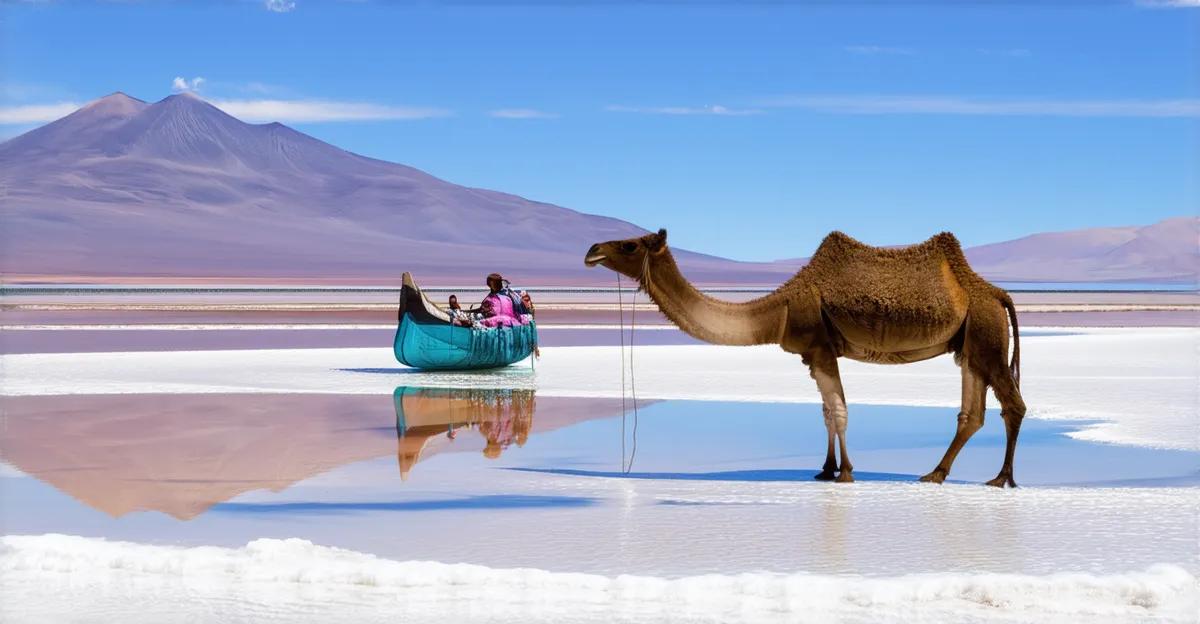
Table of Contents
Unforgettable Things to Do in Uyuni: Your 2026 Travel Guide
Discover the most captivating Things to Do in Uyuni for 2026! This Bolivian town is your gateway to the world’s largest salt flat and a host of surreal landscapes. From otherworldly vistas to unique cultural experiences, we’ve curated a guide to the most unforgettable adventures that await you in Uyuni.
Marvel at the Salar de Uyuni: The World’s Largest Salt Flat
You can find the latest updates on Gobierno Autónomo Municipal de Uyuni.
For practical details and last-minute changes, use SERNAP - Reserva Nacional de Fauna Andina Eduardo Avaroa.
The Salar de Uyuni, the world’s largest salt flat, is a breathtaking destination that should be on every traveler’s list. Located in southwest Bolivia, this vast expanse of white stretches over 10,000 square kilometers, creating an otherworldly landscape that is both surreal and stunning. As one of the premier Uyuni Attractions, it offers an unparalleled experience, especially during the rainy season when the flats transform into a giant mirror reflecting the sky above.Endless White Horizon
When you first step onto the Salar de Uyuni, you’ll immediately notice the sheer scale of it. The seemingly endless white horizon gives you the feeling of being on another planet. Moreover, the unique geological formations and the crystalline structures of the salt create mesmerizing patterns underfoot. The dry season (May to October) offers clear blue skies, perfect for capturing the stark beauty of the salt flats. However, the wet season (November to April) is when the magic truly happens, as the flats become a reflective surface, merging the sky and land into one seamless vista. For those seeking unique Uyuni Experiences, this is an unmissable opportunity.
Pro Tip: Bring sunglasses and sunscreen. The intense glare from the salt can be very harsh on your eyes and skin, even on cloudy days.
Exploring the Salar de Uyuni offers numerous Things to Do in Uyuni. From taking perspective photos that play with the flat landscape to visiting Incahuasi Island, a rocky outcrop covered in giant cacti, there is no shortage of awe-inspiring sights. Additionally, many tours include visits to nearby attractions like the Train Cemetery and the Eduardo Avaroa Andean Fauna National Reserve, making for a comprehensive and unforgettable adventure. Furthermore, the otherworldly scenery provides countless opportunities for photography enthusiasts to capture unique and creative shots.
In addition to its visual splendor, the Salar de Uyuni holds significant economic importance. It is estimated to contain over 10 billion tons of salt, and it is also a major source of lithium, a key component in batteries. As a result, the area is a hub of mining activity, though efforts are being made to balance extraction with environmental preservation. For adventure seekers interested in Uyuni Outdoor Activities, consider exploring the nearby Tunupa Volcano or stargazing at night, away from city lights. You might also be interested in other outdoor activities around Uyuni.
To make the most of your visit, consider booking a guided tour. Knowledgeable guides can provide insights into the area’s geology, history, and ecology, ensuring a richer and more meaningful experience. They also handle transportation and logistics, allowing you to relax and fully immerse yourself in the splendor of the Salar de Uyuni.
Ready to witness this natural wonder? Book your Salar de Uyuni tour today and prepare for an unforgettable journey.
Visit the Train Cemetery: A Hauntingly Beautiful Site
Just outside Uyuni lies the Train Cemetery (Cementerio de Trenes), a surreal and evocative site that attracts photographers and history buffs alike. This collection of rusting locomotives and railway cars stands as a stark reminder of Uyuni’s past as a transportation hub. Although the trains were primarily used for transporting minerals to Pacific ports, their abandonment has transformed them into an open-air museum of decay and artistry. Therefore, a visit here provides a unique opportunity to explore the skeletal remains of these iron giants against the vast, desolate landscape.
History and Decay: The Allure of the Cemetery
The Train Cemetery owes its existence to the decline of the mining industry and political shifts in the early 20th century. As mining operations dwindled, the trains fell into disuse, and rather than being salvaged, they were simply left to rust in the harsh desert climate. Over time, the elements have taken their toll, creating an eerie yet captivating scene. Things to Do in Uyuni often include exploring this graveyard, where the interplay of light and shadow enhances the dramatic atmosphere. Moreover, the site has become a canvas for graffiti artists, adding layers of modern expression to the historical relics.
Pro Tip: Visit the Train Cemetery during the late afternoon to capture stunning photographs as the setting sun casts long shadows and paints the rusting metal in warm, golden hues.
Exploring the Train Cemetery allows you to wander freely among the decaying carriages and locomotives. You can climb aboard the train cars, peek into the rusted interiors, and imagine the journeys they once undertook. Because the site is exposed and unprotected, it’s a visceral experience that connects you directly to the region’s industrial past. In addition, the isolation and quietness of the cemetery amplify the sense of history and decay. It is truly one of the most haunting, yet beautiful, Uyuni Attractions.
As you plan your trip, remember that the Train Cemetery is easily accessible from Uyuni. Many tours include it as a stop, or you can hire a taxi for a short excursion. Therefore, make sure to bring your camera to capture the unique photo opportunities presented by this surreal landscape. For instance, you can book a guided tour that incorporates the Train Cemetery, ensuring you don’t miss this unforgettable site. Moreover, visiting the Train Cemetery is one of the many unique Uyuni Experiences that adds depth and intrigue to any journey through Bolivia.
Explore Incahuasi Island: A Cactus-Filled Oasis
Located in the heart of the Salar de Uyuni, Incahuasi Island stands as a surreal and captivating oasis. This rocky outcrop, also known as Isla del Pescado (Fish Island), is renowned for its towering cacti, stunning panoramic views, and unique geological formations. Exploring Incahuasi Island offers a refreshing break from the vast white expanse of the salt flats, providing visitors with an opportunity to witness the resilient flora of this extreme environment. Moreover, it’s an excellent spot for photography, allowing you to capture the contrast between the island’s rugged beauty and the seemingly endless horizon of salt.
What Makes Incahuasi Island Special?
The island’s most distinctive feature is its population of giant cacti, some of which are hundreds of years old and reach heights of over 10 meters. These cacti provide a stark contrast to the flat, white landscape of the salt flats, creating a visually striking scene. In addition to the cacti, Incahuasi Island is composed of volcanic rock and coral fossils, offering a glimpse into the region’s ancient past. As you wander around the island, you’ll discover various viewpoints that offer breathtaking perspectives of the Salar de Uyuni. Therefore, make sure to bring your camera to capture the unique beauty of this location. Consider this one of the top Things to Do in Uyuni.
Pro Tip: Visit Incahuasi Island during the early morning or late afternoon for the best lighting conditions for photography. The soft, diffused light enhances the colors and textures of the cacti and salt flats.
While visiting Incahuasi Island, take your time to explore the marked trails that wind through the cacti and rock formations. The gentle slopes make it accessible to most visitors, and the panoramic views from the summit are well worth the effort. Furthermore, many tours include a stop at Incahuasi Island as part of a larger Salar de Uyuni itinerary, allowing you to combine your visit with other incredible Uyuni Attractions. As you plan your trip, remember to check out various options for experiencing the island, such as the Uyuni Salt Flats and Sunset Full-Day Tour.
Exploring Incahuasi Island is more than just a sightseeing trip; it’s an immersive experience that connects you with the unique environment of the Salar de Uyuni. Whether you’re interested in photography, geology, or simply soaking in the stunning views, this cactus-filled oasis is a must-see destination. Thus, be sure to include it in your list of Uyuni Activities for an unforgettable adventure.
To make the most of your trip, discover more about the available Uyuni Activities and consider booking a guided tour. A guided tour can provide valuable insights into the local flora, geology, and history, enhancing your overall experience. Consequently, don’t miss the chance to book your Uyuni Salt Flats highlights jeep tour and explore this stunning location.
Discover the Eduardo Avaroa Andean Fauna National Reserve
⭐ Recommendation: Don't miss out on amazing Uyuni tours - book now!
The Eduardo Avaroa Andean Fauna National Reserve, or Reserva Nacional de Fauna Andina Eduardo Avaroa (REA) as it is known locally, is a breathtaking expanse of protected land in southwestern Bolivia. As one of the most spectacular Uyuni Attractions, this reserve offers a unique opportunity to witness the stunning landscapes and diverse wildlife of the Andean highlands. Established to protect the fragile ecosystem and its inhabitants, including the rare vicuña and the Andean flamingo, the reserve spans over 7,000 square kilometers, presenting an otherworldly terrain that captivates every visitor. Therefore, exploring this area is undoubtedly one of the top Things to Do in Uyuni.
Within the reserve, vibrant colored lagoons stand out, each hosting thousands of flamingos. Laguna Colorada, known for its striking reddish Hue caused by algae, is a major highlight, where three flamingo species gather. Similarly, Laguna Verde, situated at the foot of the Licancabur volcano, reflects the stunning surroundings with its emerald waters. These lagoons not only offer visual feasts but also serve as crucial habitats for migratory birds and other unique species.
Wildlife Encounters and Volcanic Landscapes
Besides flamingos, the Eduardo Avaroa Reserve is home to vicuñas, llamas, alpacas, and even the elusive Andean condor. Furthermore, the area’s volcanic landscapes add to its dramatic appeal. The Sol de Mañana geysers, a geothermal field with bubbling mud pools and sulfurous fumes, present a surreal scene. Moreover, these geothermal features highlight the intense volcanic activity beneath the surface, making it a fascinating spot for geological enthusiasts. Experiencing these natural wonders is a must for anyone seeking unique Uyuni Experiences.
Pro Tip: Acclimatize to the high altitude before visiting the reserve. The elevation can exceed 4,000 meters, so take it easy on your first day and drink plenty of water.
Visiting the Eduardo Avaroa Andean Fauna National Reserve also provides ample opportunities for Uyuni Outdoor Activities, such as hiking and photography. Remember to dress warmly, as temperatures can drop dramatically, especially at night. It is also advisable to visit with a guided tour to fully appreciate the geological and biological significance of the area. After all, a knowledgeable guide can enhance your understanding and ensure a safe and enriching experience. Consider this 3-day tour from Uyuni to explore the colored lagoons.
The stark beauty and serene environment of the Eduardo Avaroa Andean Fauna National Reserve offer a profound connection with nature, making it a truly unforgettable destination. To explore more of what Uyuni has to offer, check out other attractions in Uyuni.
Stay in a Salt Hotel: A Unique Accommodation Experience
One of the most extraordinary Things to Do in Uyuni is to stay in a salt hotel. These hotels, constructed almost entirely from salt blocks harvested from the Salar de Uyuni, offer a truly unique and immersive experience. Imagine walls, furniture, and even beds crafted from salt – it’s an unforgettable way to connect with the landscape. Beyond the novelty, salt hotels provide comfortable and surprisingly cozy accommodations, making them a popular choice for travelers seeking an authentic Uyuni experience.
The Appeal of Salt Hotels
The allure of staying in a salt hotel lies in its seamless integration with the environment. The structures blend into the vast, white expanse of the Salar, offering breathtaking views and a sense of solitude. Moreover, the ecological aspect is notable; these hotels use locally sourced materials, minimizing their environmental impact. As you explore Uyuni Attractions, returning to a salt hotel provides a unique contrast to the stark beauty of the salt flats.
Pro Tip: Salt erodes over time, especially with moisture. Therefore, avoid placing wet items directly on the salt furniture to help preserve the hotel’s structure and beauty.
While staying in a salt hotel, consider indulging in the local cuisine. Many hotels offer meals prepared with ingredients sourced from the surrounding region, providing an authentic taste of Bolivian culture. Additionally, these hotels often feature communal areas where you can meet fellow travelers, share experiences, and learn more about the fascinating geology and ecology of the Salar de Uyuni.
Furthermore, staying in a salt hotel provides a convenient base for exploring other Uyuni Activities. From here, you can easily embark on tours of the salt flats, visit Incahuasi Island, or witness the stunning sunsets over the Salar. The hotels often arrange these tours, making it easy to plan your Uyuni Experiences. Whether you’re interested in photography, adventure, or simply soaking in the surreal landscape, a salt hotel is an excellent starting point.
For those interested in a guided tour that includes unique accommodation, you might want to check out this Uyuni Salt Flats tour.
Photograph the Mirror Effect: Best During Rainy Season
🎯 Insider Tip: Discover the best Uyuni experiences with Viator Tours!
The Salar de Uyuni transforms into a breathtaking mirror during the rainy season, typically from December to April. This natural phenomenon occurs when a thin layer of water covers the vast salt flats, creating a seamless reflection of the sky. Capturing this surreal landscape is undoubtedly one of the most sought-after Things to Do in Uyuni. The mirror effect offers unparalleled photographic opportunities, blurring the lines between earth and sky, making it a must for photography enthusiasts and nature lovers alike.
Planning Your Visit for the Mirror Effect
To witness the full glory of the mirror effect, planning your visit during the peak of the rainy season is crucial. December to April generally provides the best conditions. However, it’s important to monitor local weather forecasts, as the presence of water can vary. Furthermore, consider booking a tour with experienced guides who know the best spots for photography and can navigate the flooded areas safely. These tours often include stops at iconic viewpoints and provide opportunities for creative, perspective-bending photos. Be sure to check out the Uyuni Salt Flats and Sunset Full-Day Tour for an incredible experience.
Keep in mind that while the rainy season enhances the mirror effect, it can also impact accessibility to certain areas of the salt flats. Some roads may become impassable, making it essential to choose a reliable tour operator who can adjust the itinerary as needed. Nevertheless, the stunning visuals make the effort entirely worthwhile.
Pro Tip: Wear waterproof footwear and bring a rain jacket, even if the forecast seems clear. The weather in the Altiplano can change rapidly. Additionally, consider bringing a polarizing filter for your camera to reduce glare and enhance the colors in your photos.
Beyond the visual spectacle, the mirror effect offers a unique sensory experience. The stillness of the water, combined with the vastness of the landscape, creates a sense of tranquility and wonder. It’s an opportunity to connect with nature on a profound level and capture memories that will last a lifetime. For those interested in astronomy, the clear reflections also make it an excellent spot for stargazing, as the stars appear to stretch infinitely in all directions. Therefore, experiencing the Uyuni Outdoor Activities during this season is a fantastic way to connect with nature.
Ultimately, photographing the mirror effect in Salar de Uyuni is more than just taking pictures; it’s about capturing a moment in time when the earth and sky become one. Ensure you check out these Uyuni Salt Flat Sunset & Starlight Experiences. To plan your perfect photographic journey, explore more Uyuni activities and make sure to book your tour in advance!
Ready to explore the best Things to Do in Uyuni? From surreal landscapes to cultural encounters, your adventure awaits in this Bolivian gem!
Frequently Asked Questions
A: The Salar de Uyuni is famous for its breathtaking landscapes, especially the mirror effect during the rainy season. Don’t miss Incahuasi Island with its giant cacti!
A: The best time to visit is during the dry season (May to October) for clear skies. However, the rainy season (December to April) offers the stunning mirror effect.
A: Many tours include visits to the train cemetery, salt hotels, Incahuasi Island, and colorful lagoons with flamingos.
A: Altitude sickness is a concern. Acclimatize for a few days in a higher altitude city like La Paz before heading to Uyuni. Stay hydrated and avoid heavy meals.
A: Yes, book tours and accommodations in advance, especially during peak season, to secure the best options. Consider the type of tour (private, group, length) that suits your preferences.