
Viterbo Attractions: Your 2026 Travel Guide
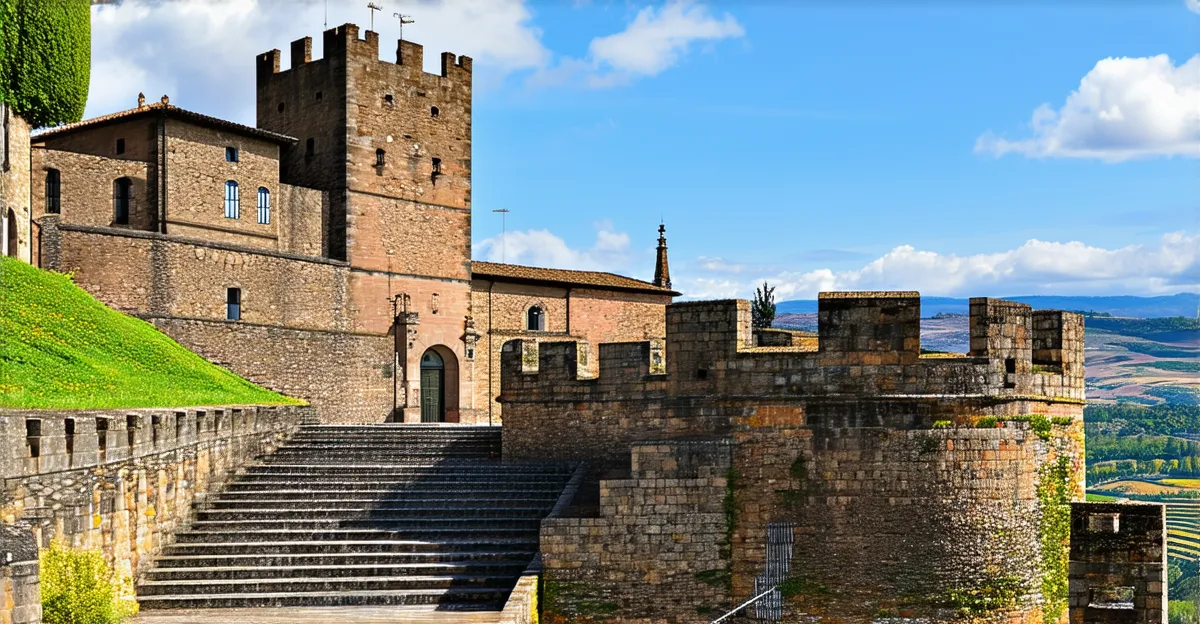
Table of Contents
Discover Viterbo Attractions: A 2026 Travel Guide
Planning a trip to Viterbo in 2026? Dive into our guide to the most captivating Viterbo Attractions, from historical landmarks to hidden local treasures. Viterbo offers a rich tapestry of experiences waiting to be discovered.
Explore the Papal Palace: A Historical Marvel
To plan your trip, review Lonely Planet Viterbo.
For the most up-to-date details, check Università degli Studi della Tuscia before you go.
The Papal Palace in Viterbo, also known as Palazzo dei Papi, stands as a significant landmark, embodying both historical and architectural grandeur. Constructed in the 13th century, this palace served as the residence for several popes during a tumultuous period in the Catholic Church’s history. Its imposing facade and elegant interiors reflect the power and influence wielded by the papacy at the time. Therefore, exploring this marvel is like stepping back in time, offering visitors a unique glimpse into the medieval world.Architectural Highlights and Historical Significance
Among the key Viterbo Attractions, the Papal Palace boasts remarkable architectural features, including the Loggia of the Popes, which offers breathtaking views of the surrounding landscape. The palace’s great hall, adorned with intricate frescoes and impressive vaulting, showcases the artistic skills of the era. Historically, the palace was the site of numerous papal conclaves, most notably the first-ever conclave held behind closed doors, marking a turning point in papal election procedures. As a result, its stones resonate with centuries of political and religious intrigue.
Pro Tip: Consider taking a guided tour to fully appreciate the rich history and architectural details of the Papal Palace. These tours often provide deeper insights into the palace’s role in medieval politics and art.
Visiting the Papal Palace is more than just a sightseeing trip; it’s an immersive experience into the heart of medieval Italy. You can wander through the various chambers and courtyards, each telling a unique story. Additionally, the palace provides a fantastic opportunity to learn about the lives of the popes who resided here and the impact they had on the region. For those interested in Things to Do in Viterbo, this palace is an unmissable destination.
Moreover, the Papal Palace is conveniently located within Viterbo‘s historic center, making it easily accessible to visitors. After exploring the palace, take some time to stroll through the charming streets of Viterbo, soaking up the atmosphere and discovering other local treasures. You can also check out other Viterbo Activities to enrich your visit. For example, the nearby San Pellegrino neighborhood offers another glimpse into the city’s medieval past. So, don’t miss the chance to discover the unique experiences Viterbo has to offer.
To enhance your exploration of Viterbo and its surroundings, consider a guided tour. Book a guided walking tour of Viterbo to discover more hidden gems!
Wander Through San Pellegrino: Viterbo’s Medieval Heart
San Pellegrino is arguably the most enchanting and well-preserved medieval quarter in Viterbo, Italy. Stepping into its narrow cobblestone streets is like traveling back in time. The area is characterized by its dark peperino stone buildings, gracefully arched profferli (external staircases), and flower-filled balconies, all contributing to its unique and captivating atmosphere. It’s a place where history comes alive, offering visitors a tangible connection to the past.
Exploring the Hidden Gems of San Pellegrino
As you wander through San Pellegrino, be sure to explore its many hidden gems. Every corner reveals a new photographic opportunity, from the quaint artisan workshops to the historic churches. Piazza San Pellegrino, the heart of the neighborhood, is a perfect spot to pause and soak in the surroundings. Moreover, don’t miss the Casa di Eleonora d’Arborea, a beautifully preserved medieval house that offers insights into the daily life of the era. Therefore, a leisurely stroll through this quarter is essential for anyone wanting to experience the authentic medieval charm of Viterbo Attractions.
Pro Tip: Visit during the evening when the soft lighting enhances the magical ambiance of the neighborhood. Enjoy a quiet dinner at one of the traditional trattorias for a truly immersive experience.
San Pellegrino is not just a feast for the eyes; it’s also a hub of cultural activity. Throughout the year, the quarter hosts various festivals and events that celebrate its rich heritage. Therefore, these events often feature traditional music, local crafts, and historical reenactments, providing an engaging experience for visitors. As well as exploring the historical sites, consider taking a guided walking tour to uncover the stories and legends that have shaped this remarkable area. You can find guided tours and more Things to Do in Viterbo here.
In addition to its historical significance, San Pellegrino also provides a perfect setting for Viterbo Outdoor Activities, such as walking and photography tours. The area’s compact size makes it ideal for exploration on foot, allowing you to fully appreciate its architectural details and charming atmosphere. Further enhancing the experience, the abundance of picturesque scenes makes it a haven for photographers looking to capture the essence of medieval Italy. For a broader exploration of the region, consider a day trip with wine tasting: Book your wine tour here.
To fully appreciate this area, consider spending at least half a day simply wandering through San Pellegrino and allowing yourself to get lost in its beauty. So, plan your visit and explore the captivating medieval heart of Viterbo. Also, check out more Viterbo Activities to plan your visit.
Relax at Bullicame Thermal Springs: Nature’s Spa
Bullicame Thermal Springs, located just outside the city center, offer a unique and rejuvenating experience for visitors seeking relaxation and natural wellness. These springs are not only a place to unwind but also hold significant historical and cultural value, dating back to ancient Roman times. The naturally heated waters, rich in minerals, create a therapeutic environment that has attracted people for centuries. Therefore, if you are looking for Viterbo Attractions that combine leisure with a touch of history, Bullicame should definitely be on your list.
A Soothing Retreat
The thermal waters at Bullicame are known for their high sulfur content and consistent temperature, typically around 58 degrees Celsius (136 degrees Fahrenheit). Consequently, this makes them ideal for treating various skin conditions, muscle soreness, and joint pain. Visitors can immerse themselves in the warm waters and enjoy the serene surroundings, which include lush greenery and open skies. Moreover, the therapeutic effects are enhanced by the natural setting, creating a peaceful escape from the hustle and bustle of everyday life. Experiencing the Things to Do in Viterbo doesn’t get more relaxing than this!
Pro Tip: While visiting, remember to hydrate adequately, as the high temperature of the water can cause dehydration. Also, avoid wearing expensive jewelry, as the sulfur can tarnish it.
The area around Bullicame Thermal Springs has been developed to cater to visitors, with facilities including changing rooms, showers, and relaxation areas. However, parts of the springs remain in their natural state, providing a more rustic and authentic experience. Viterbo Outdoor Activities such as hiking around the springs are also popular, allowing visitors to explore the surrounding landscape and enjoy the natural beauty of the area. In addition, guided tours are available, offering insights into the history and geology of the springs. You can discover more about Viterbo Experiences by visiting this link.
In conclusion, whether you’re a history buff, a nature lover, or simply in need of some relaxation, Bullicame Thermal Springs offer something for everyone. It’s a perfect way to connect with nature and indulge in a bit of self-care while exploring the many Viterbo Attractions. It’s worth checking out the range of wellness and relaxation packages available to enhance your experience.
To further enhance your trip, consider booking a guided tour to other nearby attractions. Book your guided tour now!
Visit the Viterbo Cathedral: A Religious Landmark
🎯 Insider Tip: Discover the best Rome experiences with Viator Tours!
The Viterbo Cathedral, also known as the Cathedral of San Lorenzo, stands as a prominent religious landmark in Viterbo. With its rich history and stunning architecture, it’s a must-see for anyone exploring the city’s cultural heritage. The cathedral has undergone several transformations over the centuries, reflecting various architectural styles from Romanesque to Renaissance. Moreover, its significance extends beyond its aesthetic appeal; it has been central to Viterbo’s religious and civic life for centuries. A visit here offers insight into the city’s spiritual identity and artistic evolution.
Architectural Highlights and Historical Significance
As you approach the Viterbo Cathedral, its imposing façade immediately captures your attention. Inside, the cathedral is adorned with remarkable artworks, including frescoes and sculptures that depict biblical scenes and local saints. The intricate details of the altar and the chapels further enrich the spiritual ambiance. Historically, the cathedral played a vital role during the period when Viterbo served as the papal seat in the 13th century. For example, several papal elections took place here, underscoring its importance in the Catholic Church. Therefore, exploring this sacred space is truly an immersive experience.
Pro Tip: Be sure to check out the cathedral’s museum, which houses a collection of religious artifacts and historical documents that shed light on the cathedral’s past.
Visiting the Viterbo Cathedral is more than just a sightseeing activity; it’s an opportunity to connect with the city’s soul. Furthermore, the serene atmosphere inside provides a peaceful escape from the bustling streets outside. Additionally, the cathedral’s location in the heart of Viterbo makes it easily accessible and a perfect starting point for exploring other Viterbo Attractions. As you wander through its hallowed halls, you’ll gain a deeper appreciation for the artistry and devotion that have shaped this iconic structure.
For those interested in delving deeper into Viterbo’s religious history, the cathedral offers guided tours that provide detailed information about its art, architecture, and historical events. Also, consider attending a mass to experience the cathedral’s spiritual significance firsthand. After your visit, you might want to explore more Things to Do in Viterbo and discover other hidden gems in this captivating city. Moreover, you can enhance your trip by experiencing a Viterbo private walking tour to fully appreciate this historical city.
Discover Underground Viterbo: A Hidden City
⭐ Recommendation: Don't miss out on amazing Rome tours - book now!
Beneath the charming medieval streets of Viterbo lies a hidden city, a network of fascinating underground tunnels and chambers that offer a unique glimpse into the town’s past. Exploring Underground Viterbo is like stepping back in time, revealing secrets and stories etched into the very foundations of this historic Italian gem. These subterranean passages, carved out of the soft tufa rock, served various purposes throughout the centuries, from storage and escape routes to religious sanctuaries and even ancient water systems. Discovering this hidden world is undoubtedly one of the most intriguing Things to Do in Viterbo. As you descend, you’ll be enveloped by an atmosphere of mystery and intrigue, making it an unforgettable experience.
Unveiling the Secrets Below
The network of tunnels represents more than just physical passages; it’s a journey through layers of history and culture. Originally created by the Etruscans, these underground spaces were later expanded and utilized by the Romans and subsequent civilizations. As a result, each layer tells a different story. For instance, some chambers were likely used for storing food and wine, while others may have served as clandestine meeting places during times of conflict. Moreover, certain sections display intricate carvings and symbols, hinting at their ritualistic or religious significance. Exploring these subterranean realms provides a tangible connection to the past and a greater appreciation for the ingenuity and resilience of Viterbo’s inhabitants. Consequently, it is a must-see among the Viterbo Attractions.
Pro Tip: Wear comfortable shoes, as the underground passages can be uneven and require some walking. Also, consider booking a guided tour to fully appreciate the historical context and significance of each chamber.
Currently, several sections of Underground Viterbo are accessible to the public through guided tours. These tours typically last around an hour and provide fascinating insights into the history, archaeology, and folklore associated with these subterranean spaces. Knowledgeable guides share captivating stories and point out key features that might otherwise be missed. Besides the historical aspect, the cool and constant temperature of the tunnels offers a refreshing escape, especially during the hot summer months. Furthermore, the experience is both educational and adventurous, making it suitable for all ages. This makes it one of the most memorable Viterbo Experiences.
To truly appreciate the depth and richness of Viterbo’s cultural heritage, make sure to venture beneath the surface and explore its captivating underground city. It’s a journey that will leave you with a newfound appreciation for the history and secrets hidden beneath our feet. Before planning your trip, check out more Viterbo activities to enrich your itinerary. For those interested in day trips from Rome that include Viterbo, you might find this tour of Bomarzo and Viterbo particularly appealing.
Experience the Macchina di Santa Rosa: A Unique Festival
💡 Pro Tip: Book your Rome adventures in advance through Viator for the best deals!
The Macchina di Santa Rosa is not just a festival; it’s a profound cultural experience that defines Viterbo. This spectacular event, held annually on September 3rd, involves carrying a towering, illuminated structure through the streets of the city. The “Macchina,” which translates to “machine,” is a colossal construction dedicated to the city’s patron saint, Saint Rose. Witnessing this event is undoubtedly one of the most unique Viterbo Attractions, drawing crowds from all over the world.
A Spectacle of Faith and Engineering
Every year, a new Macchina is designed and built, each one more impressive than the last. This incredible structure, reaching nearly 30 meters in height and weighing several tons, is carried by a team of approximately 100 men known as the “Facchini di Santa Rosa.” These dedicated individuals train rigorously throughout the year to be able to bear the weight and navigate the narrow, winding streets of Viterbo. The procession begins in the evening, and as the Macchina moves through the darkened streets, it creates a breathtaking spectacle of light and faith. Moreover, the experience is deeply moving, blending religious devotion with an extraordinary display of physical strength and community spirit.
Pro Tip: Arrive early to secure a good viewing spot along the procession route. The atmosphere is electric, but it can get crowded. Also, consider exploring Viterbo’s charming streets and enjoying a traditional meal before the event begins.
Attending the Macchina di Santa Rosa offers an immersive understanding of Viterbo’s cultural identity and historical roots. It is a celebration that unites the community and showcases the city’s rich heritage. Besides the procession itself, the days leading up to the event are filled with festivities, including historical reenactments, concerts, and local food fairs. Therefore, visitors have numerous opportunities to engage with the local culture and savor the authentic flavors of the region. You might also find other interesting Viterbo Experiences during your stay.
Visiting Viterbo during the Macchina di Santa Rosa is an unforgettable experience that combines religious fervor, community pride, and artistic brilliance. As you plan your trip, consider extending your exploration to other nearby attractions. You can discover more about Things to Do in Viterbo and truly immerse yourself in the beauty and history of this remarkable Italian city. For those interested in exploring beyond Viterbo, consider a day tour from Rome to experience the wonders of the region.
Explore the Civic Museum: Art and History Combined
The Civic Museum of Viterbo, nestled within the heart of the city, offers an enriching journey through the art and history of the region. Housed in the former monastery of Santa Maria della Pace, this museum showcases a diverse collection of artifacts, paintings, and sculptures that narrate the story of Viterbo from its Etruscan origins to the modern era. As you wander through its halls, you’ll encounter relics that trace the cultural evolution and artistic achievements of this captivating Italian city. Moreover, the museum provides valuable insights into the local traditions and historical events that have shaped Viterbo’s identity.
Highlights of the Collection
Among the Viterbo Attractions, the Civic Museum stands out for its remarkable assemblage of Etruscan, Roman, and medieval artifacts. Key highlights include a collection of Etruscan sarcophagi, vividly depicting the burial customs and beliefs of this ancient civilization. Furthermore, the museum displays an array of Roman sculptures and inscriptions, providing glimpses into daily life during the Roman Empire. For art enthusiasts, the gallery features paintings by local artists from the medieval and Renaissance periods, reflecting the artistic trends and cultural influences of the time. Therefore, a visit to the Civic Museum is a must for anyone seeking to understand the rich heritage of Viterbo.
When considering Things to Do in Viterbo, allocate ample time to fully appreciate the museum’s exhibits. The layout is designed to guide you through a chronological exploration of Viterbo’s history, making it easy to follow the city’s development over the centuries. Viterbo Experiences are greatly enhanced by understanding the context provided within these walls. Furthermore, interactive displays and informative panels offer deeper insights into the significance of each artifact and artwork.
Besides its permanent collection, the Civic Museum often hosts temporary exhibitions that highlight specific aspects of Viterbo’s cultural heritage. These exhibitions provide fresh perspectives and introduce visitors to new discoveries related to the region’s art and history. Consequently, it is always a good idea to check the museum’s schedule to see if there are any special events or exhibitions during your visit. Also, consider exploring other Viterbo Activities to complement your museum visit.
For those interested in Viterbo Outdoor Activities, a visit to the Civic Museum can serve as an excellent starting point. By gaining a deeper understanding of the city’s past, you will be better equipped to appreciate the historical landmarks and cultural sites scattered throughout Viterbo. The museum’s exhibits provide context that enriches your exploration of the city’s medieval quarter, ancient walls, and picturesque squares.
To enrich your exploration of Viterbo’s cultural scene, consider booking a guided tour. You can explore the beauty of the region on this Bomarzo Park and Viterbo Old Town Tour
Uncover the allure of Viterbo’s top attractions and create unforgettable memories in this Italian gem. Start planning your adventure today!
Frequently Asked Questions
A: Viterbo boasts a rich history visible through its well-preserved medieval architecture and ancient sites. Explore the Papal Palace, wander through the charming San Pellegrino quarter, and discover the underground tunnels that tell tales of the past.
A: The best times to visit Viterbo are during the spring and fall. The weather is mild, making it perfect for exploring outdoor attractions, and the crowds are smaller compared to the peak summer months.
A: Some unique attractions in Viterbo include the Bullicame thermal springs, known for their therapeutic waters, and the Macchina di Santa Rosa, a breathtaking towering structure carried through the city during an annual festival.
A: Yes, Viterbo is very walkable, especially within the historic center. Many attractions are close to each other, making it easy to explore on foot. Public transportation and taxis are also available for longer distances.
A: For families, the Parco dei Mostri (Monster Park) in nearby Bomarzo is a must-see. Within Viterbo, the Civic Museum offers engaging exhibits, and the spacious parks provide relaxing spots for kids to play.