
What Cultural Etiquette to Know Before Visiting Warsaw
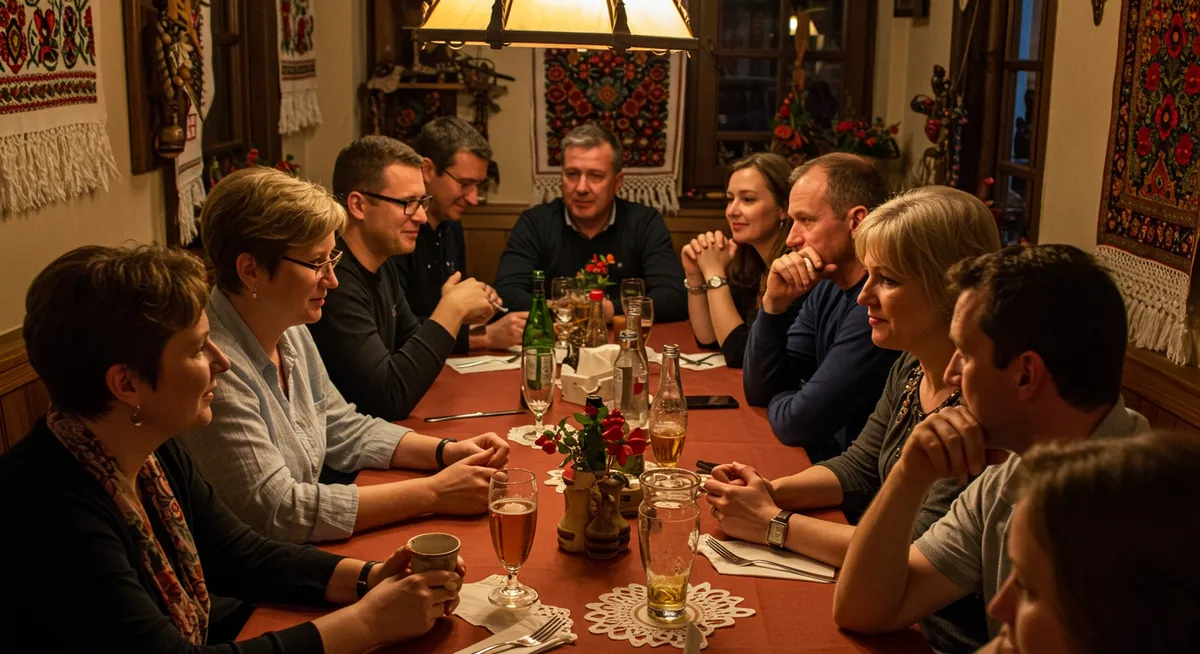
Table of Contents
What Cultural Etiquette to Know Before Visiting Warsaw
Having explored Warsaw extensively myself, I can tell you that understanding local customs can truly transform your trip. Poland, especially its vibrant capital Warsaw, is rich in history and tradition, and a little awareness of its unique cultural etiquette goes a long way. This guide will walk you through essential social norms, ensuring you feel comfortable and show respect to the friendly locals. Get ready to immerse yourself in the authentic Warsaw experience!
Mastering Greetings and Social Interactions
For practical details and last-minute changes, use Warsaw travel info.
You can find the latest updates on Warsaw travel info.
When you’re visiting Warsaw, one of the first aspects of cultural etiquette you’ll encounter is how people greet each other. A firm handshake is common for both men and women, often accompanied by direct eye contact. It’s polite to use formal titles like “Pan” (Mr.) for men and “Pani” (Ms./Mrs.) for women, especially when addressing strangers or elders. While not mandatory for tourists, knowing a few basic Polish phrases like “Dzień dobry” (Good morning/afternoon) and “Dziękuję” (Thank you) will earn you smiles and respect. I’ve found that even a small effort to speak their language is greatly appreciated by locals. Poles value sincerity and a generally warm, albeit sometimes reserved, demeanor in initial interactions. To truly immerse yourself, consider exploring traditional Polish folk culture in Warsaw, where these customs are beautifully showcased.Dining Do’s and Don’ts in Warsaw
Polish dining etiquette is generally relaxed but with a few key points to remember. Tipping around 10% is customary in restaurants if you’re satisfied with the service, though it’s not obligatory for every single transaction. When invited to someone’s home, it’s polite to bring a small gift, like flowers or chocolates, for the host. At the table, wait for the host to say “Smacznego!” (Enjoy your meal!) before you begin eating. Keep your hands visible on the table (not in your lap), and avoid resting your elbows. Remember, toasts with “Na Zdrowie!” (To your health!) are common, especially with vodka. My personal tip: don’t be shy to try everything offered; Polish hospitality is generous! For a deeper dive into culinary customs, check out the best authentic Polish food tours in Warsaw city center.
Navigating Public Spaces and Transportation
Understanding public cultural etiquette in Warsaw is crucial for a smooth trip. Politeness and order are generally valued. When using public transport, it’s customary to offer your seat to the elderly, pregnant women, or those with small children. Queuing is taken seriously, so always wait your turn respectfully. Avoid overly loud conversations or boisterous behavior in public, especially late at night. Personal space is appreciated, so try not to stand too close to strangers. It’s also worth noting that Polish people tend to be quite observant, so a pleasant, calm demeanor is always a good idea. From my experience, showing patience, particularly in busy areas, makes a big difference. Many historical walking tours in Warsaw’s Old Town are a great way to observe these public norms firsthand.
Respecting History and Heritage Sites
⭐ Recommendation: Don't miss out on amazing Warsaw tours - book now!
Warsaw’s history is profound and often somber, and acknowledging this is a vital part of cultural etiquette. When visiting churches, museums, or historical sites, dress modestly – shoulders and knees covered are a good rule of thumb. Speak in hushed tones, especially in places of worship or remembrance, and refrain from eating or drinking. Sites dedicated to the Warsaw Uprising or Jewish heritage, for example, evoke deep national and personal significance. Be mindful of photography rules, as some areas may prohibit it. Showing solemnity and respect at these poignant locations is deeply appreciated. My personal insight is to read up a little on the history before you go; it truly enhances the experience. Delve into the narratives at the top museums dedicated to Warsaw Uprising history to grasp the depth of this respect.
Frequently Asked Questions
Q: Is tipping common in Warsaw restaurants?
A: Yes, tipping around 10% is customary in Warsaw restaurants if you are satisfied with the service. While not strictly mandatory, it’s a polite way to show appreciation for good service.
Q: What are common greetings in Polish?
A: Common Polish greetings include “Dzień dobry” (Good morning/afternoon) and “Do widzenia” (Goodbye). For formal address, use “Pan” (Mr.) for men and “Pani” (Ms./Mrs.) for women.
Q: Should I dress formally when visiting churches in Warsaw?
A: When visiting churches or other religious sites in Warsaw, it’s respectful to dress modestly. This typically means covering your shoulders and knees. This is a key part of the cultural etiquette to observe.
Understanding what cultural etiquette to know before visiting Warsaw truly enriches your travel experience. By embracing these simple Polish customs, from polite greetings to respectful behavior at historical sites, you’ll not only avoid potential faux pas but also foster genuine connections with the locals. Warsaw is a city of incredible resilience and charm, and showing respect for its traditions opens doors to a deeper, more meaningful journey. So go ahead, explore with confidence and courtesy, and savor every moment of your cultural adventure in Poland’s magnificent capital!