
Khajuraho Attractions: Top Spots for 2026
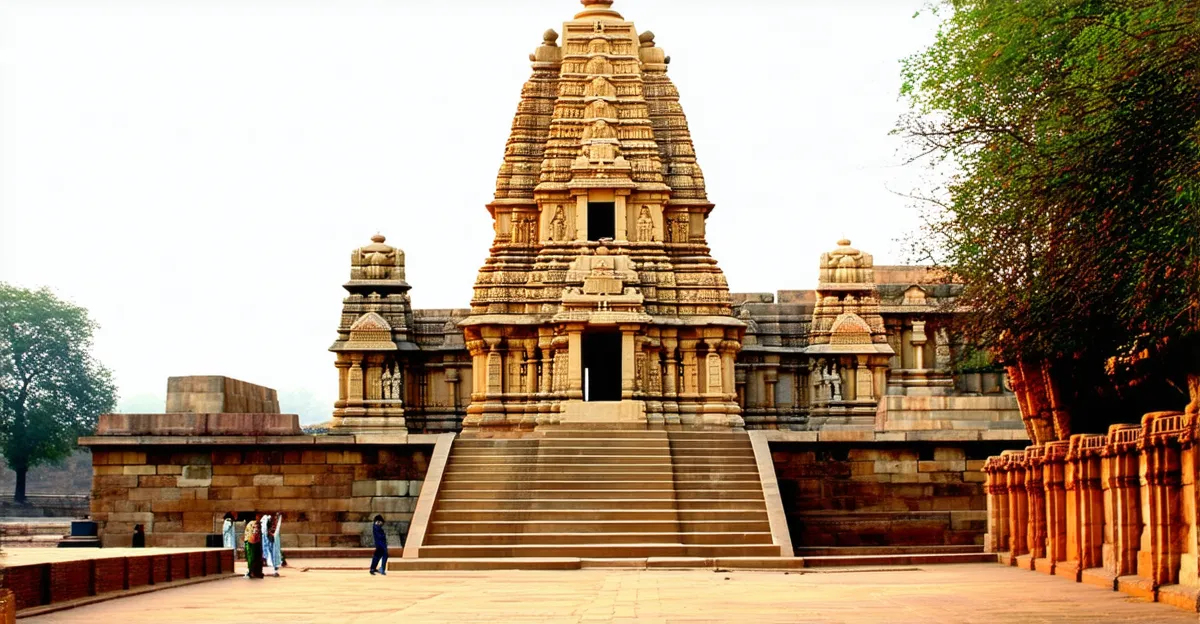
Table of Contents
Khajuraho Attractions: Exploring the Best of 2026
Welcome to Khajuraho, a UNESCO World Heritage site renowned for its magnificent temples and intricate sculptures. In 2026, Khajuraho continues to draw visitors from around the globe, eager to explore its stunning array of attractions. This guide unveils the must-see Khajuraho attractions, providing you with a comprehensive overview of this historical and cultural gem.
The Western Group of Temples: A Must-See Khajuraho Attraction
For official information, visit Madhya Pradesh Tourism.
For practical details and last-minute changes, use Airports Authority of India - Khajuraho Airport.
The Western Group of Temples in Khajuraho stands as the most iconic and visited of all the temple complexes. Representing the zenith of Chandela art and architecture, these temples are renowned for their intricate sculptures and their depiction of various aspects of life, including the famed erotic art. Moreover, this group houses some of the largest and most elaborate temples, making it a crucial stop for anyone exploring Khajuraho Attractions. The detailed carvings narrate stories of gods, goddesses, warriors, and everyday people, providing a rich tapestry of ancient Indian culture and beliefs.Kandariya Mahadeva Temple: The Pinnacle of Khajuraho Architecture
Among the Western Group, the Kandariya Mahadeva Temple is the largest and most impressive. Dedicated to Lord Shiva, its towering structure and detailed sculptures exemplify the architectural prowess of the Chandela dynasty. As you approach the temple, you’ll be struck by the sheer scale and the meticulous craftsmanship evident in every carving. Furthermore, the temple’s shikhara (spire) rises dramatically, symbolizing Mount Kailash, the abode of Shiva. Exploring this temple provides a deep dive into the artistic and religious ethos of its time. For those interested, a private tour of the Khajuraho temples can offer deeper insights.
Besides the Kandariya Mahadeva Temple, other notable temples in the Western Group include the Lakshmana Temple, dedicated to Lord Vishnu, and the Varaha Temple, known for its massive Varaha (boar) statue. Each temple offers a unique perspective on the religious and artistic achievements of the Chandela period. Additionally, the well-maintained lawns and gardens surrounding the temples provide a serene environment for visitors to appreciate the artistry and history. Therefore, spending ample time exploring each temple is highly recommended to fully appreciate their individual characteristics.
Visiting the Western Group of Temples is more than just sightseeing; it’s an immersive experience into India’s rich cultural heritage. It’s a chance to witness the artistic genius of a bygone era and understand the intricate beliefs and practices that shaped the society. As a result, it is one of the top Things to Do in Khajuraho for history buffs, art enthusiasts, and spiritual seekers alike. Consider a guided tour to delve deeper into the history and significance of these temples.
When planning your visit, consider exploring other Khajuraho Activities to enhance your experience. Whether you are interested in cultural heritage, nature, or local experiences, Khajuraho offers a diverse range of options. Before you go, learn more about planning your trip and maximizing your time in this historic city.
Eastern Group of Temples: Jain Heritage in Khajuraho
The Eastern Group of Temples in Khajuraho offers a serene contrast to the more widely known Western Group. These temples, primarily dedicated to Jain Tirthankaras, showcase a different facet of the region’s rich religious and artistic heritage. While the Western Group is famed for its intricate carvings and erotic sculptures, the Eastern Group provides a tranquil and spiritual experience, reflecting the Jain philosophy of peace and non-violence. As such, exploring these temples provides a comprehensive understanding of the diverse religious influences that shaped Khajuraho’s history. Visitors often find the peaceful atmosphere conducive to introspection and appreciation of the detailed artistry.
Key Temples within the Eastern Group
Among the notable Khajuraho Attractions in this group are the Parsvanath Temple, the Adinath Temple, and the Ghantai Temple. The Parsvanath Temple is the largest and most elaborate, celebrated for its intricate carvings featuring ordinary people and animals. The Adinath Temple stands out with its exquisitely carved Yakshinis, while the Ghantai Temple, though partially ruined, once boasted a grand entrance and elaborate carvings depicting the 16 auspicious dreams of Mahavira’s mother. Each temple provides a unique glimpse into Jain cosmology and artistic traditions. Furthermore, the architectural styles and sculptural details reflect a fusion of Jain beliefs with local artistic expressions. For a guided tour, consider this half-day sightseeing tour by car.
Moreover, the Eastern Group allows visitors to explore beyond the iconic erotic sculptures and delve into the region’s broader cultural and religious narratives. These temples exemplify the harmonious coexistence of different religious traditions in ancient India. Indeed, this harmonious blend is reflected not only in the architectural designs but also in the shared artistic motifs that can be observed across different temple groups. As you explore these Things to Do in Khajuraho, remember that the Eastern Group offers a unique lens through which to understand the region’s multifaceted history.
Furthermore, engaging with the Eastern Group enriches your overall experience of Khajuraho Experiences, providing a deeper appreciation for the artistic and spiritual landscape of this UNESCO World Heritage site. Whether you are interested in history, art, or spirituality, the Eastern Group offers something of value. Also, remember to explore the local area for an even more profound experience. You can also explore more Khajuraho experiences.
To fully appreciate the intricate details and historical significance of these temples, consider joining a guided tour. This full-day private tour offers an immersive experience, providing valuable insights into the Jain heritage of Khajuraho. Therefore, be sure not to miss this essential aspect of Khajuraho’s cultural tapestry, enriching your understanding of India’s diverse religious heritage.
Southern Group of Temples: Architectural Marvels
The Southern Group of Temples in Khajuraho, while less extensive than the Western Group, features some remarkable Khajuraho Attractions that highlight the architectural prowess of the Chandela dynasty. These temples, primarily dedicated to Hindu deities, offer a serene and less crowded experience, allowing visitors to appreciate the intricate carvings and structural designs at their own pace. Exploring these temples is among the top Things to Do in Khajuraho for those seeking a deeper connection with India’s rich cultural heritage. Moreover, the tranquil surroundings enhance the spiritual ambiance, making the visit truly memorable. Consider taking a guided tour to fully understand the historical and artistic significance of these marvels.
Duladeo Temple: A Jewel in the South
The Duladeo Temple, dedicated to Lord Shiva, stands out as a prime example of the Southern Group’s architectural excellence. Constructed around 1000-1100 AD, it showcases a distinct style characterized by intricately carved celestial beings, dancers, and mythical creatures. The temple’s apsaras and surasundaris, though fewer in number compared to the Western Group, are exquisitely detailed. Furthermore, the temple layout includes a mandapa (hall), antarala (vestibule), and garbhagriha (sanctum), each adorned with unique carvings. For those interested in exploring more about Khajuraho’s temple architecture, a visit to the Duladeo Temple is essential. Additionally, its relatively well-preserved state allows visitors to closely examine the craftsmanship of that era.
Another significant temple in this group is the Chaturbhuja Temple, dedicated to Lord Vishnu. Unlike other temples in Khajuraho, it does not feature erotic sculptures, offering a different perspective on the artistic themes prevalent during the Chandela period. The temple’s main attraction is the massive four-armed statue of Vishnu, which stands as a testament to the region’s devotion and artistic skill. As you explore these Khajuraho Attractions, you will notice the distinct architectural styles and thematic variations that make each temple unique. The Chaturbhuja Temple provides a contrasting experience, focusing more on spiritual and devotional aspects rather than the sensual.
Pro Tip: Visit the Southern Group during the early morning or late afternoon to avoid the midday heat and capture the best light for photography. Also, engage a local guide to gain deeper insights into the historical and mythological contexts of the carvings.
Exploring the Southern Group of Temples offers a peaceful retreat from the more crowded Western Group, allowing for a more intimate experience with the art and architecture. These temples are not just historical sites; they are vibrant reflections of a bygone era, showcasing the spiritual and artistic sensibilities of the Chandela dynasty. Consequently, a visit to these temples enhances your understanding of the broader cultural narrative of Khajuraho. If you’re planning your itinerary, be sure to allocate sufficient time to fully appreciate these Architectural Marvels. Consider enhancing your journey with a guided tour to discover Khajuraho’s hidden gems.
The Khajuraho Dance Festival: A Cultural Extravaganza
💡 Pro Tip: Book your Khajuraho adventures in advance through Viator for the best deals!
The Khajuraho Dance Festival is an annual event that transforms the temple complex into a vibrant stage for classical Indian dance forms. Held against the backdrop of the magnificently sculpted temples, this festival showcases the rich cultural heritage of India. Furthermore, it attracts renowned dancers and musicians from across the country, offering a captivating experience for art enthusiasts and tourists alike. The festival typically takes place in February or March, when the weather is pleasant, making it an ideal time to witness this spectacular event.
A Celebration of Classical Dance
During the week-long festival, various classical dance forms such as Kathak, Bharatanatyam, Odissi, and Kuchipudi are performed. The performances are usually held in an open-air auditorium near the Chitragupta Temple and the Vishwanatha Temple, providing a stunning visual and spiritual ambiance. Additionally, the dancers, adorned in traditional costumes, narrate ancient stories through their expressive movements and gestures. The rhythmic music and the intricate footwork create a mesmerizing atmosphere, leaving the audience spellbound. Therefore, attending this festival is definitely one of the top Things to Do in Khajuraho.
Pro Tip: Book your accommodations and festival passes well in advance, as Khajuraho becomes quite crowded during the festival. Also, try to attend the early evening performances to fully appreciate the beauty of the temple backdrop in the fading light.
Besides the dance performances, the festival also includes craft fairs and food stalls, offering visitors a chance to experience local art and cuisine. The vibrant atmosphere and the cultural immersion make it a memorable event for everyone. Moreover, the festival provides a platform for young and upcoming artists to showcase their talent, contributing to the preservation and promotion of Indian classical dance forms.
Exploring Khajuraho Attractions during this time is highly recommended as the entire town is imbued with a festive spirit. You can also explore other Khajuraho Activities such as visiting the Western Group of Temples or taking a heritage walk. These Khajuraho Experiences complement the dance festival, offering a holistic cultural experience. Consider also taking a guided tour of the temples to fully appreciate their historical and artistic significance. For those interested in nature, Khajuraho Outdoor Activities like visiting the Raneh Falls can also be combined with the festival experience.
To make your trip even more memorable, consider exploring nearby attractions with a guided tour of Khajuraho’s spiritual trails. Also, to discover more cultural treasures in the area, check out more things to do in Khajuraho.
State Museum of Tribal and Folk Art: Exploring Local Heritage
The State Museum of Tribal and Folk Art in Khajuraho offers a fascinating glimpse into the rich cultural heritage of the tribal communities residing in Madhya Pradesh. Unlike the intricately carved temples that predominantly define Khajuraho Attractions, this museum showcases a different facet of the region’s artistic expression. Indeed, visitors can explore a diverse collection of artifacts, including traditional costumes, jewelry, pottery, and various ritualistic objects. Moreover, the museum provides valuable insights into the customs, traditions, and daily lives of the indigenous people, thus enriching the understanding of the area’s cultural tapestry. This experience stands as one of the compelling Things to Do in Khajuraho for those keen on delving deeper into the local heritage.
Exhibits and Collections
Within the museum, exhibits are carefully curated to represent the artistic skills and cultural practices of different tribal groups. For instance, intricately woven textiles and vibrant beadwork highlight the craftsmanship passed down through generations. Additionally, displays of terracotta figurines and wooden carvings depict local deities and mythological stories, offering a peek into the spiritual beliefs of these communities. Furthermore, the museum meticulously documents the evolution of tribal art, showcasing how traditional techniques have been adapted and preserved over time. By exploring these collections, visitors gain a comprehensive appreciation for the diverse cultural expressions that thrive alongside the renowned temple art.
For those interested in Khajuraho Experiences beyond temple visits, the museum serves as an enriching alternative. The well-maintained exhibits and informative displays make it accessible to both scholars and casual visitors. Furthermore, the museum often hosts workshops and cultural programs that provide hands-on experiences, such as learning traditional art forms or understanding the significance of specific rituals. These activities not only educate but also promote a deeper engagement with the local culture. Therefore, a visit to the State Museum of Tribal and Folk Art complements the experience of exploring Khajuraho Activities.
Visiting this museum offers a unique perspective, contrasting the monumental architecture of the temples with the intimate, everyday artistry of the local tribes. It’s an opportunity to connect with the living traditions that continue to shape the cultural landscape of the region. Therefore, consider adding this enriching experience to your itinerary for a well-rounded exploration of Khajuraho.
To further enhance your exploration of Khajuraho’s cultural side, consider a guided heritage walk that will allow you to see how the local people live.
Raneh Falls: A Natural Wonder Near Khajuraho
🎯 Insider Tip: Discover the best Khajuraho experiences with Viator Tours!
While the temples of Khajuraho are globally renowned, the region also boasts natural wonders like Raneh Falls, a canyon formed by the Ken River. Located approximately 20 kilometers from Khajuraho, these falls offer a refreshing contrast to the ancient stone carvings, providing a serene escape into nature. The falls are particularly impressive during and after the monsoon season, typically from July to October, when the Ken River is in full flow. Therefore, this makes it an ideal time to visit and witness the vibrant ecosystem in full flourish. Furthermore, this geological marvel is sure to captivate nature enthusiasts and photographers alike.
Exploring the Canyon’s Geological Formations
The Raneh Falls canyon is characterized by its unique rock formations, comprising mainly granite and dolomite. The varying colors of the rocks, ranging from pink to red and grey, create a visually stunning landscape. Moreover, the canyon’s depth and width change dramatically along its course, offering diverse viewpoints and photographic opportunities. As the Ken River cascades through the canyon, it forms several waterfalls and pools, each with its own distinct charm. This is indeed one of the most stunning Khajuraho Attractions for nature lovers.
Pro Tip: Hire a local guide to learn about the geological history and ecological significance of Raneh Falls. They can also point out the best spots for photography and wildlife sightings.
Visiting Raneh Falls offers more than just scenic beauty; it is an opportunity to connect with the natural heritage of the region. Besides the falls themselves, the surrounding area is home to diverse flora and fauna. You might spot various species of birds, reptiles, and other wildlife. Moreover, the Madhya Pradesh Forest Department has developed eco-tourism facilities, including walking trails and viewpoints, making it easier for visitors to explore the area responsibly. Therefore, consider this when planning your Khajuraho Outdoor Activities. Additionally, for those seeking adventure, combining a visit to Raneh Falls with a trip to nearby Panna National Park can be an excellent way to experience the region’s natural beauty fully.
Raneh Falls is undoubtedly a highlight among the Things to Do in Khajuraho, offering a refreshing break from temple touring. The tranquil environment and stunning views make it a perfect spot for relaxation and rejuvenation. As a result, many visitors find that the natural beauty of Raneh Falls provides a balanced perspective to the architectural grandeur of Khajuraho’s temples. A half-day trip is generally sufficient to explore the falls and the surrounding canyon, making it a convenient addition to your Khajuraho Experiences. For an organized tour, you might consider booking a guided tour to Raneh Falls for a hassle-free visit.
Local Markets: Shopping for Souvenirs
🌟 Local Expert Tip: Get the most out of your Khajuraho visit with guided tours!
Exploring the local markets in Khajuraho offers a vibrant and authentic experience, allowing visitors to immerse themselves in the region’s culture and craftsmanship. These markets are treasure troves of unique souvenirs, handcrafted items, and local produce, reflecting the artistic heritage of the area. Moreover, browsing through these bustling hubs gives you a glimpse into the daily life of the locals and provides an opportunity to support the local economy. Therefore, a visit to the local markets is an essential part of experiencing Khajuraho Attractions.
What to Buy in Khajuraho’s Markets
When visiting Khajuraho’s markets, you’ll find a diverse range of items perfect for souvenirs or gifts. Stone carvings, inspired by the intricate sculptures of the Khajuraho temples, are particularly popular. Additionally, you can find handloom textiles, including sarees, shawls, and fabrics with traditional designs. Furthermore, local artisans create beautiful jewelry, often using semi-precious stones and intricate metalwork. Besides these, you can also find wooden artifacts, traditional handicrafts, and local artwork reflecting the region’s cultural motifs. As you explore, remember to bargain respectfully to get the best prices. You can discover more about things to do in Khajuraho to plan your visit.
Pro Tip: Visit the markets in the early morning or late afternoon to avoid the midday heat and enjoy a more relaxed shopping experience.
The experience of shopping in Khajuraho’s local markets goes beyond simply acquiring goods; it’s an immersion into the local culture. Interacting with vendors, observing their craft, and learning about the stories behind the products adds a rich layer to your travel experience. In addition, many markets also offer local snacks and refreshments, providing a taste of Khajuraho’s culinary offerings. So, take your time to explore, engage, and enjoy the vibrant atmosphere. To delve deeper into other cultural aspects, check out Khajuraho Activities.
Visiting the local markets not only allows you to find unique mementos but also contributes to the local economy, supporting the artisans and vendors who keep the traditional crafts alive. Consequently, it’s a responsible and rewarding way to engage with the community and take home a piece of Khajuraho’s heritage. If you’re interested in a guided experience, consider a day tour of Khajuraho temples and local villages to enhance your understanding and appreciation of the local culture.
Discover the timeless beauty of Khajuraho and immerse yourself in its captivating attractions. Start planning your unforgettable journey today!
Frequently Asked Questions
A: The Khajuraho Group of Monuments is renowned for its stunning temples adorned with intricate sculptures, showcasing various aspects of life, including divine figures, dancers, musicians, and scenes of daily life. The explicit erotic sculptures are a significant and often discussed aspect of these temples.
A: While the temples are the main attraction, Khajuraho offers other experiences like exploring local markets for traditional crafts, attending cultural performances showcasing regional dances and music, and visiting nearby natural reserves for wildlife spotting.
A: October to March is the ideal time to visit Khajuraho. The weather is pleasant, making it perfect for exploring the temples and other outdoor attractions. Avoid the summer months (April to June) due to the intense heat.
A: You can hire local guides at the temple entrance or book guided tours online. A guide can provide valuable insights into the history, architecture, and significance of the sculptures, enhancing your overall experience.
A: Khajuraho is well-connected by air, rail, and road. The Khajuraho Airport has regular flights from major Indian cities. The Khajuraho Railway Station is connected to several cities. You can also reach Khajuraho by bus or car from nearby towns and cities.