
Khajuraho Activities: Top Things to Do in 2026
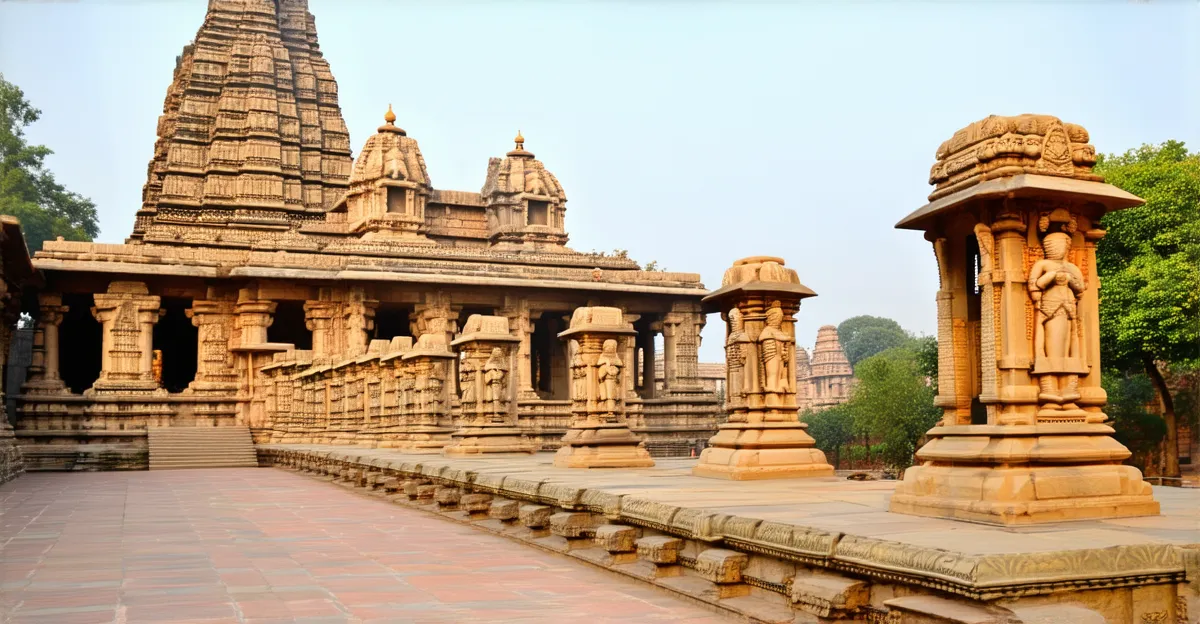
Table of Contents
Khajuraho Activities: Unforgettable Experiences in 2026
Embark on a journey to Khajuraho in 2026 and discover a world of mesmerizing Khajuraho Activities. This ancient city, renowned for its stunning temples and intricate sculptures, offers a unique blend of history, culture, and architectural brilliance. From exploring UNESCO World Heritage sites to immersing yourself in local traditions, Khajuraho promises an unforgettable experience filled with diverse and captivating Khajuraho Activities.
Exploring the Western Group of Temples: A Highlight of Khajuraho Activities
For the most up-to-date details, check Archaeological Survey of India (ASI) before you go.
For practical details and last-minute changes, use Chhatarpur District Administration.
The Western Group of Temples is the most famous and well-preserved cluster in Khajuraho, making it a quintessential highlight of Khajuraho Activities. Renowned for their intricate carvings and stunning architecture, these temples showcase the epitome of Chandela art and craftsmanship. Dedicated primarily to Lord Shiva and Lord Vishnu, the temples not only serve as sacred spaces but also as incredible works of art. Furthermore, the detailed sculptures that adorn these temples depict various aspects of life, including deities, warriors, dancers, and scenes from daily life, offering a comprehensive view of the era’s cultural and social fabric.Key Temples Within the Western Group
Among the many temples, the Kandariya Mahadeva Temple stands out as the largest and most ornate. Its towering structure and elaborate carvings exemplify the pinnacle of temple architecture in Khajuraho. In addition to the Kandariya Mahadeva, other notable temples include the Lakshmana Temple, dedicated to Lord Vishnu, and the Devi Jagadambi Temple, known for its captivating sculptures of goddesses. Together, these temples offer visitors a deep dive into the artistic and religious accomplishments of the Chandela dynasty. Indeed, exploring these sites is among the top Things to Do in Khajuraho.
Pro Tip: Hire a local guide to fully appreciate the intricate details and symbolic meanings behind the sculptures. Their expertise can transform a visual experience into an insightful journey through history and culture.
Visiting the Western Group is more than just sightseeing; it’s an immersive experience that allows you to connect with India’s rich heritage. As you wander through the complex, take time to observe the precision and artistry of each sculpture. Moreover, understanding the context behind these carvings can provide a deeper appreciation for the cultural values and artistic expressions of the time. These Khajuraho Attractions are truly unforgettable. The well-maintained grounds and informative signage further enhance the visitor experience.
For those interested in delving deeper into the artistic and historical significance of Khajuraho, consider joining a guided tour of the Western Group of Temples. There are several options available, ranging from half-day excursions to full-day explorations, ensuring that you have ample time to absorb the beauty and history of these magnificent structures. Book your guided tour today and uncover the secrets of Khajuraho’s artistic legacy.
To further enhance your understanding, you can explore more Khajuraho attractions and learn about the region’s rich cultural tapestry.
Discovering the Eastern Group of Temples: Jain and Hindu Heritage
While the Western Group of temples in Khajuraho often steals the limelight, the Eastern Group offers a unique glimpse into the region’s diverse religious heritage. Consisting of both Jain and Hindu temples, this cluster showcases a different architectural style and religious iconography, providing a more comprehensive understanding of Khajuraho’s cultural landscape. Exploring these temples offers a serene and insightful experience, often away from the larger crowds, making it a must-do among Khajuraho Activities.
Jain Temples: A Testament to Faith
The Jain temples within the Eastern Group are particularly noteworthy. The Parsvanatha Temple is the largest and most elaborately decorated, featuring intricate carvings of deities, celestial beings, and scenes from daily life. These sculptures reflect a deep understanding of Jain philosophy and artistry. Furthermore, the Ghantai Temple, though partially ruined, is famous for its bell-and-chain motifs, offering a glimpse into the artistic finesse of the period. Visiting these temples provides a tranquil experience and an opportunity to appreciate the Jain contribution to India’s religious architecture. Consider taking a guided walking tour to fully appreciate their history and significance.
The Hindu temples in the Eastern Group, such as the Brahma and Hanuman temples, also contribute to the area’s rich tapestry. The Brahma Temple, dedicated to the creator god Brahma, features a simple yet elegant design. Meanwhile, the Hanuman Temple is renowned for housing a large statue of Hanuman, the monkey god, which is believed to predate the Chandela dynasty. Therefore, exploring these temples offers a fascinating contrast to the more prominent Western Group. These sites are essential for anyone seeking a deeper understanding of Things to Do in Khajuraho.
Pro Tip: Visit the Eastern Group of temples during the early morning hours to avoid crowds and experience the serene atmosphere at its best. The soft morning light enhances the intricate carvings, making for a more enriching experience.
Visiting the Eastern Group is more than just sightseeing; it’s an immersion into the religious and artistic harmony that defined Khajuraho. Moreover, the peaceful environment and detailed artwork provide a welcome contrast to the bustling atmosphere of the more famous Western Group. As a result, these temples are perfect for those looking to delve deeper into the heritage of this UNESCO World Heritage site. Plan your visit to explore these hidden gems and enrich your Khajuraho Experiences.
To further enhance your understanding of Khajuraho’s cultural offerings, explore more Khajuraho activities. You might also find it insightful to book a guided tour to uncover the stories behind these magnificent structures.
Experiencing the Khajuraho Dance Festival: A Cultural Extravaganza
The Khajuraho Dance Festival is an annual cultural event that showcases the richness and diversity of Indian classical dance forms against the backdrop of the magnificent Khajuraho temples. Celebrated usually in February, this festival transforms the temple complex into a vibrant stage where renowned dancers from across India display their talent. The performances highlight various classical dance styles, including Kathak, Bharatnatyam, Odissi, and many others, each telling ancient stories through graceful movements and expressive gestures. Therefore, attending this festival offers a unique opportunity to witness the seamless blend of art, culture, and history, making it a must-see among Khajuraho Activities.
The Ambiance and Performances
The open-air setting of the festival, with the beautifully lit temples as a backdrop, creates an enchanting ambiance. As the dancers perform, the intricate carvings of the temples seem to come alive, adding another layer of depth to the performances. Additionally, the festival is not just about dance; it also includes exhibitions of local crafts, art, and cuisine, providing a comprehensive cultural experience. It is, in fact, an immersive journey into the heart of Indian traditions, making it one of the most enriching Things to Do in Khajuraho.
Pro Tip: Book your tickets and accommodations well in advance, as the festival attracts a large number of visitors from around the world. Also, carry warm clothing as the evenings can get chilly.
Moreover, beyond the performances, the festival offers a chance to interact with artists and scholars, learn about the nuances of classical dance forms, and appreciate the cultural heritage of India. The event is carefully curated to appeal to both seasoned art enthusiasts and casual visitors, ensuring that everyone can find something to enjoy. It is truly an exceptional display of Khajuraho Experiences that leaves a lasting impression. Furthermore, the festival promotes the local culture and economy, providing a platform for artisans and performers to showcase their talent.
For those interested in exploring the cultural depth of Khajuraho, consider complementing your festival visit with a guided heritage walk to fully appreciate the historical and artistic significance of the temples. To discover more about Khajuraho Attractions, visit our attractions page.
To make the most of your visit, plan ahead and check out other activities in Khajuraho. Experience the magic of Khajuraho – book your cultural adventure today!
Visiting the State Museum of Archaeology: Unveiling Khajuraho’s History
🌟 Local Expert Tip: Get the most out of your Khajuraho visit with guided tours!
A visit to the State Museum of Archaeology is indispensable for anyone seeking a deeper understanding of Khajuraho’s rich historical tapestry. Conveniently located near the renowned temples, the museum provides a comprehensive overview of the region’s artistic, cultural, and religious heritage. Consequently, it serves as an ideal starting point before exploring the temple complex or a valuable complement after your visit. The museum’s collection includes a diverse range of artifacts, sculptures, and relics that chronicle the Chandela dynasty’s influence and the socio-cultural environment in which the Khajuraho temples were built. These relics not only illustrate the artistic skills of the time but also offer key insights into the religious beliefs and daily lives of the people.
Exhibits and Artifacts: A Glimpse into the Past
The State Museum of Archaeology houses an extensive collection of sculptures, architectural fragments, and inscriptions, many of which were recovered from the temple sites. As a result, the museum effectively contextualizes the art seen on the temples. Things to Do in Khajuraho often start with grasping the historical importance, so consider this site a cornerstone of your exploration. Moreover, the exhibits are thoughtfully arranged to guide visitors through different periods of Khajuraho’s history. Highlights include intricately carved statues of Hindu deities, Jain Tirthankaras, and various secular figures, offering a holistic view of the region’s cultural syncretism. In addition to the sculptures, the museum also features displays on the tools, pottery, and jewelry used by the inhabitants of Khajuraho, providing a vivid portrayal of their daily life.
Pro Tip: Allocate at least two hours for your visit to fully appreciate the museum’s vast collection. Also, consider hiring a local guide to gain deeper insights into the historical context of the artifacts.
Visiting the State Museum of Archaeology enriches your understanding of the context behind the sculptures found in the temples. Besides this, it allows you to appreciate the artistic achievements of the Chandela period, which were influential in shaping the cultural identity of the region. Before diving into Khajuraho Activities, this museum visit will serve as an enriching primer. Additionally, many tourists find this enhances their appreciation of the artistry on display at the temple sites.
For those planning a trip, consider exploring various guided tours that include a museum visit for a comprehensive experience. Discover more about Khajuraho Attractions and book your tour here.
Taking a Village Tour: Immersing Yourself in Local Life
Beyond the magnificent temples, taking a village tour offers an authentic glimpse into the heart of rural India around Khajuraho. These tours provide a unique opportunity to witness the daily lives, traditions, and crafts of the local people. It’s a chance to step away from the well-trodden tourist paths and connect with the community on a personal level. Village tours not only support local economies but also provide enriching cultural experiences that you won’t find within the temple walls. Furthermore, these tours offer a deeper understanding of the region’s heritage and the people who keep it alive.
During a village tour, you might visit local homes, interact with artisans, and learn about traditional farming practices. For instance, you can see potters creating beautiful earthenware, weavers crafting intricate textiles, or farmers tending their fields using age-old techniques. The simplicity and warmth of village life are truly captivating, offering a refreshing contrast to the bustling city atmosphere. Additionally, these interactions provide insights into the challenges and triumphs of rural communities, fostering a greater appreciation for their resilience and resourcefulness.
Moreover, a village tour often includes sampling local cuisine, prepared with fresh, locally sourced ingredients. This culinary experience allows you to taste the authentic flavors of the region, far removed from typical tourist fare. It’s a chance to discover new dishes and learn about the spices and cooking methods that define the local gastronomy. Furthermore, sharing a meal with a local family can be a deeply rewarding experience, fostering a sense of connection and cultural exchange. For insights into blending culture with wellness, a wellness retreat may enhance your experience.
Pro Tip: Dress respectfully when visiting villages and ask permission before taking photos of people or their homes. A small gesture of respect goes a long way in building positive relationships.
Opting for a guided village tour ensures that your visit is respectful and beneficial to the community. Local guides can provide valuable insights into the customs and traditions of the villagers, helping you to navigate cultural nuances and avoid unintentional offenses. Furthermore, they can help you communicate with the locals, bridging any language barriers and facilitating meaningful interactions. These tours are generally designed to minimize the impact on the environment and maximize the benefits to the community, ensuring that your visit contributes to sustainable tourism. Don’t miss Khajuraho Temples and Local Village Tour for a great experience. Get a comprehensive look at Things to Do in Khajuraho and plan your culturally immersive visit today.
Enjoying a Light and Sound Show: Reliving Khajuraho’s Past
One of the most captivating Khajuraho Activities is the Light and Sound Show, which dramatically narrates the history and legends of the Chandela dynasty, the builders of these magnificent temples. Set against the backdrop of the Western Group of Temples, this show employs vibrant lights, music, and narration to transport you back in time. Furthermore, it’s an excellent way to understand the rich cultural heritage and the intricate artistry that characterizes Khajuraho.
What to Expect
The Light and Sound Show typically lasts about an hour and is available in both English and Hindi. Therefore, visitors can choose their preferred language for an enhanced experience. As the sun sets, the temples are illuminated, creating a magical atmosphere that enhances the storytelling. The narrative covers the founding of the Chandela dynasty, their patronage of art and architecture, and the socio-cultural context in which the temples were built. The show not only entertains but also educates, making it a must-see for anyone interested in Indian history and art. Don’t miss exploring other Khajuraho attractions too.
Pro Tip: Arrive early to secure a good viewing spot, especially during peak tourist season. Also, check the show timings in advance as they may vary depending on the time of year.
Attending the Light and Sound Show is among the top Things to Do in Khajuraho, as it offers a unique perspective on the temples. While exploring the temples during the day allows you to appreciate their architectural details and intricate sculptures, the show brings these stones to life with stories of gods, kings, and everyday people. It’s an immersive experience that complements your daytime exploration and provides a deeper understanding of Khajuraho Experiences.
Moreover, the show is not just about history; it’s about the celebration of art, culture, and human creativity. The careful synchronization of lights and sound creates an unforgettable spectacle, making it one of the most memorable Khajuraho Outdoor Activities, even though it’s an evening event. After the show, consider taking a leisurely stroll around the temple complex to soak in the illuminated beauty. You may also be interested in other activities in Khajuraho.
Enhance your Khajuraho visit with a guided tour that includes the Light and Sound Show. Book your tour now to delve deeper into the history and artistry of these incredible temples.
Exploring the Raneh Falls: A Natural Wonder Near Khajuraho
While Khajuraho is renowned for its magnificent temples and intricate sculptures, its appeal extends beyond the architectural marvels. Just a short distance from the temple complex lies the Raneh Falls, a stunning natural wonder that offers a refreshing contrast to the ancient stones. The Raneh Falls, formed by the Ken River, showcases unique geological formations and a breathtaking display of nature’s artistry. Therefore, a visit to this location provides a well-rounded experience, blending cultural exploration with natural beauty. It’s truly one of the most rewarding Khajuraho Activities for nature enthusiasts.
Experiencing the Canyon and Waterfalls
The canyon at Raneh Falls is composed of varied colored granite and dolomite, creating a visually striking landscape. The Ken River carves its way through this canyon, forming a series of waterfalls that cascade down into natural pools. Especially during the monsoon season, the falls are in full force, displaying their majestic power and beauty. As a result, visitors are treated to an awe-inspiring spectacle. Moreover, the surrounding area is rich in flora and fauna, providing opportunities for bird watching and nature walks. Indeed, exploring this natural landscape is among the top Things to Do in Khajuraho for those seeking respite from the temple visits.
Pro Tip: Plan your visit during or just after the monsoon season (July to September) to witness the falls at their most spectacular. Don’t forget your camera to capture the stunning views!
Visiting the Raneh Falls offers more than just scenic beauty; it provides a chance to connect with nature and enjoy some tranquility away from the bustling tourist spots. The Madhya Pradesh Forest Department maintains the area, ensuring that visitors can comfortably explore the falls and the surrounding canyon. There are well-maintained trails and viewpoints that offer panoramic vistas of the landscape. Furthermore, guided tours are available to provide deeper insights into the geology and ecology of the region. Consequently, these tours enhance the overall experience of discovering Khajuraho Attractions.
For those interested in combining culture with nature, a day trip to Raneh Falls is a must. It not only complements the historical experience of Khajuraho but also provides a unique opportunity to witness the natural wonders of the region. Don’t miss out on one of the most enriching Khajuraho Outdoor Activities. Book your half-day guided tour to Raneh Falls from Khajuraho here. If you are interested in other excursions, check out more Khajuraho Experiences.
Discover the best Khajuraho Activities in 2026 and create unforgettable memories. Plan your adventure today!
Frequently Asked Questions
A: The Kandariya Mahadeva Temple, Lakshmana Temple, and Devi Jagadambi Temple are a few must-visit sites.
A: October to March is the ideal time to visit Khajuraho for pleasant weather and clear skies.
A: Khajuraho is renowned for its ancient temples showcasing intricate carvings and sculptures, representing various aspects of life and spirituality.
A: Yes, there are guided tours available that provide in-depth information about the history and significance of the Khajuraho temples.
A: Besides temples, explore the local markets for handicrafts, traditional clothing, and souvenirs. You can also enjoy cultural performances and local cuisine.