
Things to Do in Khajuraho: Must-See 2026
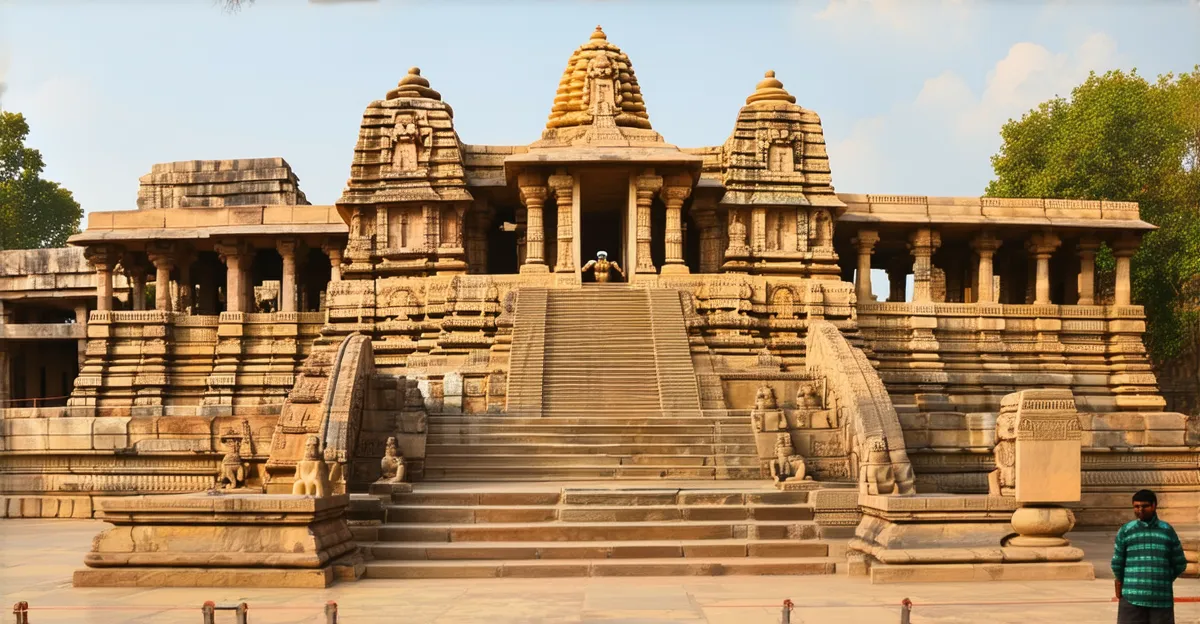
Table of Contents
Things to Do in Khajuraho: Your Ultimate 2026 Guide
Welcome to Khajuraho, a UNESCO World Heritage site renowned for its magnificent temples and intricate sculptures. If you’re planning a visit in 2026, get ready to immerse yourself in the rich history, art, and culture this ancient city has to offer. Discover the best things to do in Khajuraho, from exploring the iconic temples to experiencing the local traditions, ensuring an unforgettable journey.
Exploring the Western Group of Temples
To plan your trip, review Madhya Pradesh Tourism.
For the most up-to-date details, check Airports Authority of India - Khajuraho Airport before you go.
The Western Group of Temples is the most famous and well-preserved of the temple clusters in Khajuraho, making it a highlight for any visitor. Renowned for their intricate carvings and masterful architecture, these temples showcase the peak of Chandela art. Furthermore, the Western Group houses some of the most iconic structures, including the Kandariya Mahadeva Temple, which is the largest and most ornate. Exploring this group provides a comprehensive introduction to the artistic and religious significance of Khajuraho. In fact, most tourists begin their journey here to fully appreciate the grandeur and detail that defines these ancient monuments. The detailed carvings depict various aspects of life, spirituality, and artistry, providing a rich cultural experience.Key Temples in the Western Group
Within the Western Group, several temples stand out. The Kandariya Mahadeva Temple, dedicated to Lord Shiva, is not only the largest but also features an astonishing array of sculptures. Besides this, the Lakshmana Temple, dedicated to Lord Vishnu, is another significant structure known for its well-preserved carvings and intricate details. Additionally, the Devi Jagadambi Temple, originally dedicated to Vishnu but later to Parvati, displays some of the finest sculptures of divine feminine energy. Each temple within the Western Group offers a unique perspective on the religious and artistic practices of the Chandela dynasty. Thus, visiting each one is a rewarding experience. You can learn more about Khajuraho attractions.
The sculptures on these temples are not just decorative; they tell stories and reflect the social and cultural norms of their time. The intricate details and expressive forms are a testament to the skill and vision of the artisans who created them. For example, many sculptures depict scenes from daily life, mythology, and courtly activities, providing valuable insights into the history of the region. Therefore, spending time examining these carvings is an essential part of the Khajuraho Experiences.
Visiting the Western Group of Temples is more than just sightseeing; it’s an immersive experience that connects you with the rich cultural heritage of India. As you wander through these ancient structures, you’ll gain a deeper appreciation for the art, architecture, and spirituality that define Khajuraho. It’s indeed one of the top Things to Do in Khajuraho. Moreover, guided tours are available to provide detailed explanations and historical context, enhancing your understanding and appreciation of these magnificent temples. Consider taking a guided tour for an enriching experience.
Discovering the Eastern Group of Temples
While the Western Group of Temples in Khajuraho often steals the spotlight, the Eastern Group offers a serene and equally captivating experience. These temples, primarily dedicated to Jain Tirthankaras, provide a glimpse into the region’s diverse religious history and architectural styles. Moreover, the intricate carvings and peaceful ambiance make them a must-visit for anyone seeking a deeper understanding of Khajuraho’s cultural heritage. Unlike the often-crowded Western Group, exploring the Eastern Group allows for a more intimate and reflective experience.
Key Temples in the Eastern Group
The Parsvanath Temple is the largest and most elaborate Jain temple in this group. It features stunning carvings of deities, celestial beings, and everyday life scenes. Ghantai Temple, though partially ruined, is famous for its pillar adorned with a chain-and-bell motif, offering a unique artistic perspective. Adinath Temple is another gem, celebrated for its exquisitely sculpted figures and serene surroundings. Additionally, each temple provides a unique insight into Jain art and philosophy, making your visit both educational and aesthetically pleasing.
Pro Tip: Hire a local guide to learn about the symbolism behind the carvings and the stories they tell. This will greatly enhance your appreciation of these remarkable structures.
Exploring the Eastern Group offers a tranquil escape from the hustle and bustle, allowing visitors to appreciate the artistry and spirituality in peace. Furthermore, the temples are well-maintained and easily accessible, making it a comfortable excursion for all travelers. Consider allocating at least half a day to fully explore these magnificent sites and absorb the serene atmosphere. Remember to wear comfortable shoes, as you’ll be doing a fair amount of walking.
For those interested in delving deeper into the cultural heritage of Khajuraho, the Eastern Group of Temples is an essential component. Besides the temples, the surrounding landscape offers a chance to connect with nature and appreciate the beauty of rural India. Don’t miss out on this enriching experience during your visit to Khajuraho. To enhance your visit, consider a guided tour of Khajuraho’s temples and local villages for a comprehensive experience.
Discover more about Khajuraho Activities and plan your visit today!
Visiting the Southern Group of Temples
While the Western Group of temples rightly garners most of the attention, a visit to the Southern Group of Temples in Khajuraho offers a quieter, more contemplative experience. These temples, although smaller and less ornate than their western counterparts, are significant for their architectural styles and religious importance. Located a short distance from the main complex, exploring these temples provides a deeper understanding of the diverse religious influences present in the region during the Chandela dynasty. Furthermore, the serene atmosphere surrounding these temples allows for a more intimate connection with the history and artistry of Khajuraho.
Duladeo Temple: A Jewel of the Southern Group
The Duladeo Temple, dedicated to Lord Shiva, is perhaps the most prominent and well-preserved temple within the Southern Group. Constructed later than the Western Group temples, it showcases a distinct architectural style. The intricate carvings, while fewer in number, are still remarkably detailed. For example, the apsaras (celestial nymphs) and various deities are depicted with grace and precision. Additionally, the temple’s elevated platform offers panoramic views of the surrounding landscape, further enhancing its appeal. Consequently, this temple provides a worthwhile contrast to the larger, more crowded sites.
Another notable temple is the Chaturbhuja Temple, dedicated to Lord Vishnu. This temple is known for housing a massive, intricately carved statue of Vishnu. Despite lacking the elaborate carvings found in other Khajuraho temples, its imposing statue and peaceful ambiance make it a worthwhile visit. Moreover, the absence of erotic sculptures distinguishes it from the more famous temples, offering a different perspective on the religious beliefs of the time.
Visiting the Southern Group of Temples allows you to appreciate the architectural and artistic nuances of Khajuraho in a less crowded setting. The peaceful environment provides an opportunity for quiet reflection and a deeper connection with the region’s history. In addition, you can explore these temples at your own pace, taking the time to admire the intricate details and unique features of each structure. These factors combine to make the Southern Group a valuable part of the Things to Do in Khajuraho.
For travelers keen on exploring Khajuraho Attractions, visiting the Southern Group offers a balanced perspective, complementing the grandeur of the Western Group. It’s an experience that enriches your understanding of Khajuraho’s cultural and religious heritage. If you are interested in a guided experience, consider this day tour of Khajuraho temples.
Attending the Khajuraho Dance Festival
💡 Pro Tip: Book your Khajuraho adventures in advance through Viator for the best deals!
One of the most enchanting Things to Do in Khajuraho is attending the Khajuraho Dance Festival. This annual cultural extravaganza transforms the temple complex into a vibrant stage where classical Indian dance forms come to life. Set against the backdrop of the magnificently carved temples, the festival provides a mesmerizing experience that blends art, history, and culture seamlessly. Every year, usually in February, the festival draws art connoisseurs, dancers, and tourists from all over the world, making it a significant event in India’s cultural calendar. Furthermore, it offers a unique opportunity to witness the beauty and grace of classical dances in an unparalleled historical setting.
What to Expect at the Festival
During the Khajuraho Dance Festival, you can expect performances by some of India’s most accomplished classical dancers. The festival showcases various dance forms, including Kathak, Bharatanatyam, Odissi, and Manipuri. Moreover, each performance tells a story through intricate movements, expressive gestures, and evocative music. The atmosphere is electric, as the dancers bring to life ancient tales and mythological narratives under the starlit sky. Besides the dance performances, the festival also includes craft fairs and food stalls, providing a holistic cultural experience. Therefore, it’s not just a visual treat but also a feast for your other senses.
Pro Tip: Book your tickets and accommodation well in advance, as the Khajuraho Dance Festival is a popular event and tends to get crowded. Consider arriving early to secure a good viewing spot and fully immerse yourself in the pre-performance ambiance.
Attending the Khajuraho Dance Festival provides a deep dive into India’s rich artistic heritage. Beyond the performances, you can explore the surrounding temples, which are themselves masterpieces of art and architecture. In addition, the festival offers workshops and seminars where you can learn more about the dance forms and their historical context. It is an enriching experience that enhances your appreciation for Indian culture and traditions. Exploring these cultural facets are integral to the best Khajuraho Activities.
Moreover, the festival provides an ideal opportunity to connect with other travelers and art enthusiasts. Sharing this experience with like-minded individuals can create lasting memories and friendships. Be sure to check out the local handicrafts and souvenirs available at the festival grounds, offering a chance to take a piece of Khajuraho’s cultural heritage home with you. For those looking to explore more, check out additional Khajuraho Experiences.
To make your trip even more memorable, consider booking a tour that includes the dance festival along with other local attractions. For example, you might enjoy a guided tour of Khajuraho.
Exploring the State Museum of Archaeology
The State Museum of Archaeology in Khajuraho offers a captivating glimpse into the region’s rich history and artistic heritage. As one of the key Khajuraho Attractions, the museum houses a diverse collection of sculptures, artifacts, and archaeological finds, providing context to the magnificent temples that define this UNESCO World Heritage Site. A visit here enriches your understanding of the Chandela dynasty, who were the patrons of the iconic temples, and their profound influence on art, culture, and religion. Therefore, exploring the museum before or after visiting the temples allows for a more comprehensive and immersive experience.
Highlights of the Collection
The museum’s collection showcases a variety of sculptures, primarily sandstone carvings, that were recovered from the Khajuraho temple complex and surrounding areas. These artifacts provide valuable insights into the artistic styles, religious beliefs, and social customs prevalent during the Chandela period. Moreover, the exhibits are carefully curated to guide visitors through different themes, such as religious iconography, architectural elements, and daily life scenes. Do not miss the intricately carved statues of deities, celestial beings, and mythical creatures, each telling a unique story about the era. As well as this, the museum also displays pottery, coins, and inscriptions that shed light on the historical and economic aspects of the region.
Pro Tip: Allocate at least a couple of hours to thoroughly explore the museum’s collection and read the informative plaques that accompany each exhibit. This will greatly enhance your appreciation for the artistry and historical significance of the artifacts.
Visiting the State Museum of Archaeology is among the essential Things to Do in Khajuraho, especially for those interested in history, art, and archaeology. Besides viewing the sculptures, you can also learn about the restoration and preservation efforts undertaken to protect Khajuraho’s cultural heritage. The museum serves as a repository of knowledge, safeguarding the legacy of the Chandela dynasty for future generations. For a guided experience, consider joining a half-day sightseeing tour that includes the museum and temples.
In conclusion, the State Museum of Archaeology offers a vital complement to the temple visits, enriching your understanding of Khajuraho’s glorious past. Furthermore, it’s an engaging way to delve deeper into the region’s history and culture. For more Khajuraho Activities, visit our activities page. Consider enhancing your trip with a heritage walk to fully immerse yourself in the local culture and history.
Shopping for Local Handicrafts and Souvenirs
No trip to Khajuraho is complete without indulging in some retail therapy, allowing you to take a piece of this culturally rich destination home with you. From intricately carved stone sculptures to vibrant textiles, Khajuraho offers a diverse array of local handicrafts and souvenirs. Consequently, exploring the local markets and shops is one of the most engaging Things to Do in Khajuraho, providing not only tangible reminders of your journey but also supporting the local artisans who keep traditional crafts alive.
Where to Find the Best Souvenirs
The main markets near the Western Group of Temples are prime locations for finding a variety of souvenirs. Here, you can browse through shops selling miniature replicas of the famous temple carvings, crafted from stone, wood, and metal. Moreover, these markets also offer textiles, including hand-woven silk and cotton fabrics adorned with traditional designs. Haggling is common practice, so don’t hesitate to negotiate prices to get the best deals. In addition, you might discover unique jewelry, local artwork, and other keepsakes that capture the essence of Khajuraho. As a result, you’ll find a wide range of Khajuraho Activities centered around its cultural heritage.
Pro Tip: Look for shops that display a government-approved handicraft certification to ensure you’re purchasing authentic, ethically sourced products, thereby supporting local artisans directly.
When shopping in Khajuraho, keep an eye out for sandalwood carvings, which are prized for their intricate detail and aromatic fragrance. Furthermore, you can find items ranging from small figurines to elaborate decorative pieces. Local artisans also specialize in creating pottery and terracotta items, often inspired by the temple sculptures and local folklore. These items make excellent gifts and add a touch of Indian artistry to your home decor. Additionally, consider purchasing some local spices and teas to bring the flavors of Khajuraho back home. As you plan your trip, explore more Khajuraho activities to enrich your experience.
Besides the main markets, several smaller shops and boutiques are scattered throughout the town, offering more curated selections of handicrafts and souvenirs. Exploring these hidden gems can lead to unique discoveries and a more personalized shopping experience. Whether you are looking for a meaningful keepsake or a special gift, shopping in Khajuraho provides a memorable and enriching experience. In conclusion, take a guided tour to ensure you don’t miss any of the best shopping spots and cultural highlights.
Uncover the many incredible things to do in Khajuraho and create memories that last a lifetime. Start planning your Khajuraho adventure today!
Frequently Asked Questions
A: Khajuraho is most famous for its ancient temples adorned with intricate sculptures, showcasing various aspects of life, including the renowned erotic art.
A: The best time to visit Khajuraho is during the winter months (October to March) when the weather is pleasant and ideal for sightseeing.
A: Besides the temples, you can explore the local markets, visit the State Museum of Archaeology, and enjoy cultural performances that showcase the region’s rich heritage.
A: Khajuraho is a safe place for tourists. However, it’s always wise to be aware of your surroundings, especially in crowded areas, and take standard precautions against petty theft.
A: Yes, photography is allowed inside most of the temple complex, but using flash photography is generally discouraged to protect the ancient sculptures.