
Sapa Experiences: Top Adventures for 2026
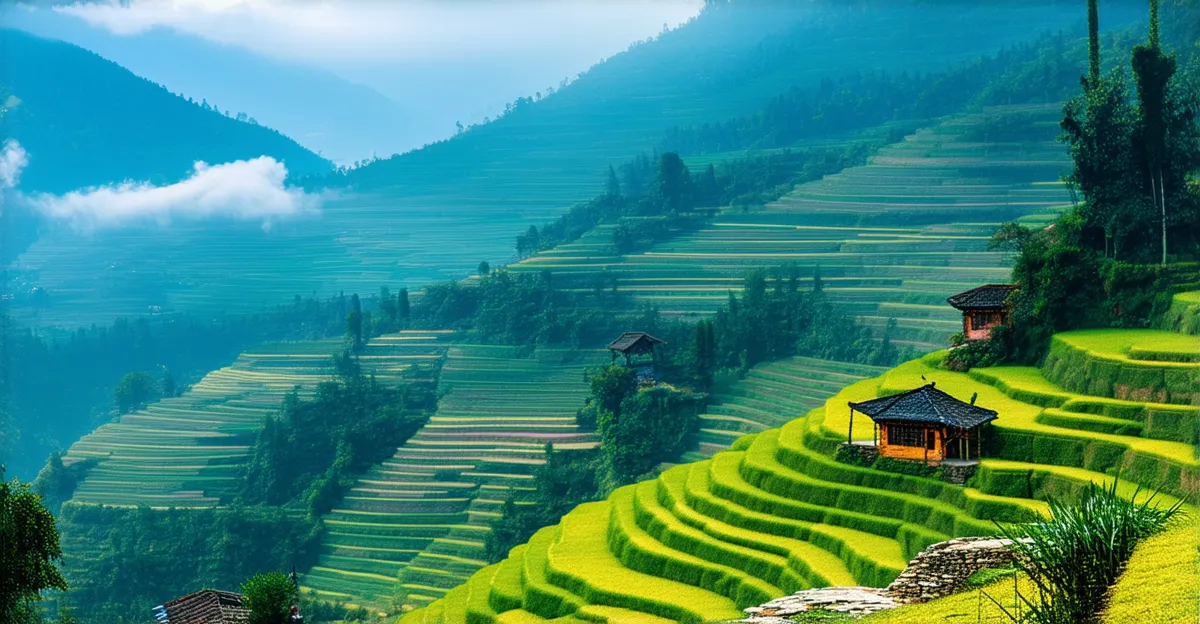
Table of Contents
Unforgettable Sapa Experiences: Your 2026 Guide
Embark on a journey of a lifetime with our comprehensive guide to Sapa Experiences in 2026. Discover the most captivating adventures, cultural immersions, and breathtaking landscapes that this Vietnamese gem has to offer. Whether you’re a seasoned traveler or a first-time visitor, Sapa promises unforgettable moments that will leave you in awe.
Trekking Through the Muong Hoa Valley: A Sapa Experience Essential
For official information, visit Lonely Planet Sapa.
To plan your trip, review Vietnam National Administration of Tourism.
The Muong Hoa Valley, a breathtaking tapestry of rice terraces, traditional villages, and winding streams, stands as a quintessential Sapa experience. No trip to this northern Vietnamese haven is complete without immersing yourself in the valley’s stunning landscapes. Trekking through this valley offers an unparalleled opportunity to witness the daily life of local ethnic minorities, including the H’mong, Dao, and Tay people. Furthermore, it provides a physical and cultural journey, blending adventure with authentic interactions.Choosing Your Trek: Options for Every Explorer
Whether you’re an experienced hiker or a casual walker, the Muong Hoa Valley caters to all fitness levels. Numerous trails meander through the valley, ranging from short, gentle strolls to multi-day expeditions. A popular option is a trek from Sapa town to Lao Chai and Ta Van villages, offering a glimpse into traditional life and breathtaking views. Moreover, longer treks can take you deeper into the valley, revealing hidden waterfalls and remote settlements. For those seeking a guided experience, consider booking a Muong Hoa Valley trek with local guides, who can share invaluable insights into the region’s culture and history. As you explore, keep an eye out for the ancient Sapa rock carvings, scattered throughout the valley, adding a layer of mystery to the already captivating landscape.
Pro Tip: The best time to trek through the Muong Hoa Valley is during the dry season (March to May and September to November) when the weather is pleasant, and the rice terraces are at their most vibrant. However, be sure to check weather conditions before you embark on your trek and pack accordingly.
Engaging with the local communities is a crucial aspect of the Sapa Experiences within Muong Hoa Valley. As you trek, you’ll likely encounter villagers going about their daily routines, offering a chance to learn about their traditions, crafts, and way of life. Remember to be respectful of local customs and traditions, and consider purchasing handicrafts directly from the villagers to support their livelihoods. Indeed, this interaction creates a richer and more meaningful travel experience.
The Muong Hoa Valley is more than just a scenic destination; it’s an immersive cultural experience that will leave a lasting impression. By choosing the right trek, respecting local customs, and embracing the natural beauty of the valley, you can create memories that will last a lifetime. For alternative Sapa Outdoor Activities, browse our website.
Ready to embark on your unforgettable Sapa adventure? Book your Muong Hoa Valley trek today and discover the magic of Sapa!
Conquering Fansipan Peak: Reaching New Heights in Your Sapa Experiences
Embarking on a journey to conquer Fansipan Peak, the “Roof of Indochina,” stands as one of the most rewarding Sapa Experiences. Rising to a majestic 3,143 meters, Fansipan offers not only breathtaking panoramic views but also a profound sense of accomplishment. Whether you’re an avid trekker or a casual adventurer, reaching the summit is an unforgettable adventure that showcases the stunning natural beauty of Vietnam. Moreover, the diverse landscapes encountered along the way, from lush forests to rocky terrains, make the ascent a truly immersive experience.
Choosing Your Ascent: Trekking or Cable Car
There are primarily two ways to reach the summit of Fansipan: trekking and taking the cable car. Trekking typically takes one to three days, depending on the route and your fitness level. This option allows you to fully appreciate the natural environment, passing through various ecosystems and enjoying the tranquility of the mountains. Alternatively, the cable car offers a quicker and less physically demanding option, whisking you to near the summit in just about 15 minutes. Consequently, this is perfect for those with limited time or mobility. Regardless of your choice, planning your ascent is crucial for a safe and enjoyable experience. For additional information on treks, you might want to explore some of the guided tours to Fansipan.
Pro Tip: Consider the weather conditions before planning your trek. The best time to climb Fansipan is during the dry season, from March to May and September to November, to avoid slippery trails and poor visibility.
Preparing adequately is key to a successful climb. For trekkers, sturdy hiking boots, layered clothing, rain gear, and plenty of water are essential. It’s also advisable to hire a local guide who can provide valuable insights into the terrain and culture. For those opting for the cable car, remember that the altitude can affect you, so it’s good to stay hydrated and take it easy once you reach the top. Regardless of how you ascend, make sure to bring a camera to capture the awe-inspiring views. To learn more about Things to Do in Sapa, see this guide.
The summit of Fansipan offers panoramic views of the surrounding mountains and valleys, often shrouded in mist, creating a surreal and majestic atmosphere. Spending time at the peak allows you to reflect on your journey and appreciate the sheer beauty of northern Vietnam. Furthermore, many visitors find the experience deeply spiritual, connecting with nature in a profound way. For an overview of Sapa Attractions, you can check out this page.
Ready to start your Sapa adventure? Book your guided tour to Fansipan today!
Immersing Yourself in Local Culture: Homestays for Authentic Sapa Experiences
One of the most rewarding Sapa Experiences is undoubtedly immersing yourself in the local culture through a homestay. Far from the standard tourist trail, staying with a local family offers an unparalleled glimpse into the daily lives, traditions, and customs of the ethnic minorities who call Sapa home. Moreover, it allows you to forge genuine connections, share stories, and gain a deeper understanding of the region’s rich heritage. Therefore, opting for a homestay is an excellent way to support the local community directly while enhancing your travel experience.
What to Expect During Your Homestay
Typically, a homestay involves staying in a traditional house, often made of wood or bamboo, and sharing meals with your host family. While amenities may be basic, the warmth and hospitality you’ll receive are immeasurable. Moreover, you can participate in daily activities such as cooking, farming, or crafting traditional textiles. In addition, engaging in these activities not only provides insight into their way of life but also allows you to learn new skills and appreciate the simplicity of rural living. Keep in mind that respectful behavior and genuine curiosity will greatly enrich your interaction with the host family. For example, you can find a suitable option with a 2-day, 1-night stay at local people’s house.
Pro Tip: Before your visit, try to learn a few basic phrases in the local language. Even a simple “hello” or “thank you” can go a long way in showing your respect and appreciation.
Furthermore, homestays often provide opportunities to explore the surrounding areas with your hosts, leading you to hidden waterfalls, remote villages, and breathtaking viewpoints that you might otherwise miss. These guided excursions offer a unique perspective on the landscape and culture, deepening your connection to the region. As a result, you’ll return with memories that extend far beyond the typical tourist experience.
Choosing a homestay means embracing a more sustainable and responsible way to travel. By supporting local families directly, you contribute to the preservation of their cultural heritage and the economic well-being of the community. Things to Do in Sapa range from adventurous treks to cultural immersions, but a homestay stands out as one of the most authentic and impactful experiences. If you want to explore more, check out these Sapa Outdoor Activities to add more to your itinerary.
Ready to embark on a cultural journey? Book your authentic Sapa homestay experience today!
Exploring Cat Cat Village: Discovering Traditional Crafts and Sapa Experiences
🎯 Insider Tip: Discover the best Sapa experiences with Viator Tours!
Nestled in the Muong Hoa Valley, Cat Cat Village offers a captivating glimpse into the traditional lifestyle and crafts of the H’mong people. As one of the most accessible and well-known villages near Sapa town, it provides a relatively easy trek that rewards visitors with stunning views and cultural immersion. The village is particularly renowned for its traditional weaving and dyeing techniques, making it a must-visit destination for those interested in authentic Sapa Experiences. Moreover, the journey to Cat Cat Village itself is an experience, with opportunities to witness the breathtaking landscapes of Sapa.
A Journey Through Culture and Craftsmanship
Upon arrival at Cat Cat Village, you’ll immediately notice the unique architecture of the homes, built from wood and bamboo, blending seamlessly into the surrounding hills. The H’mong people are skilled artisans, and you’ll have the chance to observe them creating intricate textiles, jewelry, and other handicrafts. In fact, visitors often have the opportunity to purchase these handmade items directly from the artisans, supporting the local economy and taking home a unique souvenir. The colorful traditional clothing worn by the villagers adds to the village’s vibrant atmosphere. So, don’t forget to bring your camera to capture these incredible scenes!
Pro Tip: Engage with the local artisans to learn about their craft and the cultural significance behind their work. It enriches the experience and provides a deeper understanding of the H’mong heritage.
Beyond the crafts, Cat Cat Village is also known for its natural beauty. A scenic waterfall cascades through the village, adding to its charm. Traditional water-powered rice mills can be seen along the stream, offering a glimpse into the ingenuity of the local people. As you wander through the village, you’ll encounter picturesque photo opportunities at every turn, from the terraced rice paddies to the traditional houses. Also, keep an eye out for cultural performances, which are sometimes held for visitors, showcasing traditional music and dance.
To make the most of your visit, consider joining a guided tour. A local guide can provide valuable insights into the history, customs, and traditions of the H’mong people. Furthermore, they can lead you to hidden corners of the village and introduce you to local families. Whether you are interested in learning about traditional crafts, exploring natural beauty, or simply immersing yourself in a unique culture, a visit to Cat Cat Village is an essential part of any Sapa Experiences itinerary. Also, you can explore more Sapa activities here. Consider a half-day hike to Cat Cat Village to fully experience its beauty.
Indulging in H’mong Cuisine: A Culinary Journey Through Sapa Experiences
One of the most rewarding Sapa Experiences is undoubtedly indulging in the local H’mong cuisine. This culinary journey offers a unique window into the culture and traditions of the region’s ethnic communities. From vibrant markets filled with fresh ingredients to cozy homestays where families share their treasured recipes, H’mong cuisine is a delight for the senses. It’s an integral part of any visit, providing sustenance and cultural enrichment in equal measure. Thus, prepare your palate for an adventure that combines authentic flavors with the stunning backdrop of Sapa’s landscapes. Be sure to explore local eateries to discover hidden gems and traditional cooking methods.
The H’mong people have expertly utilized the natural resources available in the mountainous terrain of Sapa to craft a distinctive culinary identity. For example, many dishes feature locally grown herbs, vegetables, and meats, offering a taste of the region’s biodiversity. Moreover, traditional cooking techniques, passed down through generations, contribute to the unique flavors and textures found in H’mong cuisine. Whether you are a seasoned foodie or simply curious about new tastes, the food of Sapa will not disappoint. To enhance your trip, consider taking a food tour or cooking class to deepen your understanding of local ingredients and preparation methods.
Must-Try Dishes in Sapa
Several dishes stand out as essential tasting experiences when exploring Things to Do in Sapa. Thang Co, a hearty horse meat stew, is a traditional H’mong delicacy, particularly popular in Bac Ha market. Also, Com Lam, or bamboo rice, offers a simple yet satisfying combination of sticky rice cooked inside bamboo tubes, infused with the subtle aroma of the wood. Another highlight is Black Chicken, known for its distinctive flavor and health benefits, often prepared in herbal broths. Furthermore, don’t miss the opportunity to try various types of local sausages and dried Buffalo meat, which are flavorful snacks perfect for trekking. Therefore, embracing these culinary adventures enriches your overall experience.
Exploring the markets and local restaurants provides ample opportunities to sample these unique dishes. As you venture deeper into the villages surrounding Sapa, you’ll find families eager to share their meals and traditions. Consequently, these interactions offer not just a taste of local cuisine but also insights into the community’s way of life. For those interested in trekking and experiencing local culture, consider exploring Sapa trekking tours. Don’t miss the chance to fully appreciate the depth of the region’s culture.
To truly immerse yourself, seek out opportunities to dine with local families. Often, homestays offer authentic meal experiences, giving you a chance to savor home-cooked dishes and learn about the stories behind them. You might even be invited to participate in the cooking process, gaining hands-on experience with traditional methods. As a result, your journey through Sapa will be filled with the warmth of H’mong hospitality and the unforgettable tastes of their cuisine. Why not enhance your stay by exploring more Sapa Activities? By engaging with the local culinary scene, your travel memories will be filled with delicious and authentic flavors.
Sapa Experiences Beyond the Tourist Trail: Hidden Gems and Local Favorites
While popular attractions in Sapa offer breathtaking views and cultural insights, venturing beyond the typical tourist routes unveils a different side of this captivating region. Discovering Sapa Experiences that are off the beaten path allows for a more intimate connection with the local culture and landscapes. Instead of just seeing the main sights, consider exploring hidden waterfalls, remote villages, and lesser-known trails that showcase the authentic beauty of Sapa.
Exploring Remote Villages and Local Life
One of the most rewarding Things to Do in Sapa is to visit villages that are not frequently visited by tourists. These communities offer a glimpse into the daily lives of the ethnic minorities, preserving traditions and customs that have remained unchanged for generations. By trekking to these remote areas, you not only experience stunning scenery but also support sustainable tourism and help preserve local cultures. For example, consider visiting the villages of Sin Chai or Cat Cat’s less-trodden paths for a more authentic encounter. In addition, engaging with locals respectfully and participating in their daily activities provides unforgettable memories and deepens your understanding of their way of life.
Pro Tip: Hire a local guide from the community to lead your trek. This ensures you are respecting local customs and contributing directly to the village’s economy.
Seeking out Sapa Attractions beyond the usual spots can lead you to discover hidden natural wonders. For instance, instead of only visiting the main waterfalls, explore smaller, less crowded cascades like the Silver Waterfall’s upper reaches. Additionally, these off-the-beaten-path locations often provide a serene escape from the bustling tourist areas, allowing you to fully immerse yourself in the tranquility of the mountains. Therefore, exploring these hidden gems adds a unique dimension to your Sapa Outdoor Activities.
Moreover, engaging in local festivals and markets that are not widely promoted can provide unparalleled cultural immersion. These events offer a chance to witness traditional dances, sample local delicacies, and purchase handcrafted goods directly from the artisans. For instance, attending a local market in Bac Ha (though a bit further from Sapa itself) offers a vibrant experience distinct from the more tourist-oriented markets closer to town. These unique Sapa Experiences offer enriching memories and a deeper connection with the region.
To enhance your exploration, consider a guided tour that specializes in off-the-beaten-path adventures. For an unforgettable trek through the Muong Hoa Valley and local ethnic villages, check out this GetYourGuide tour.
Photography Tours: Capturing the Beauty of Sapa Experiences
Sapa, with its stunning landscapes and vibrant culture, presents a myriad of opportunities for photographers. From the sprawling rice terraces to the colorful ethnic markets, every corner of this Vietnamese gem is a potential masterpiece. Whether you’re a seasoned professional or an enthusiastic amateur, embarking on specialized Sapa Experiences focused on photography can greatly enhance your skills and portfolio. Furthermore, these tours often provide access to unique perspectives and insider knowledge, helping you capture the essence of this extraordinary region.
Finding the Perfect Photography Tour
Selecting the right photography tour is essential for maximizing your Things to Do in Sapa. Many tours cater to different skill levels and interests, ranging from basic landscape photography to in-depth cultural documentation. Before booking, consider what you want to achieve. Are you looking to improve your technical skills, capture specific landscapes, or document the daily lives of local communities? Besides that, checking reviews and itineraries can help you find a tour that aligns with your goals. For instance, you might be interested in this Muong Hoa Valley trekking tour.
Pro Tip: Look for tours that include guidance on composition, lighting, and post-processing techniques to make the most of your photographic journey.
In addition to technical skills, a good photography tour should also provide cultural context. Understanding the traditions and customs of the local ethnic groups can help you capture more meaningful and respectful images. Many tours include visits to local villages, where you can interact with residents and learn about their way of life. Moreover, engaging with local communities can lead to unique photographic opportunities and a deeper appreciation for the region’s cultural diversity. Explore more about Sapa’s diverse activities.
Another important aspect of photography tours in Sapa is timing. The best light often occurs during the early morning and late afternoon, so look for tours that take advantage of these golden hours. Some tours also offer nighttime photography sessions, allowing you to capture the beauty of the stars over the rice terraces. Because the weather in Sapa can be unpredictable, it’s also important to choose a tour that is flexible and adaptable. For example, a Fansipan mountain view tour might give you breathtaking scenery. Moreover, professional guides can help you navigate challenging conditions and find alternative locations if needed. These considerations will ensure you make the most of your Sapa outdoor activities.
Ready to capture the breathtaking beauty of Sapa? Book your photography tour today and start creating memories that will last a lifetime!
Ready to unlock the most authentic Sapa Experiences? Start planning your journey today and immerse yourself in the cultural richness and natural beauty that Sapa has to offer in 2026!
Frequently Asked Questions
A: Many Sapa Experiences are enhanced during the dry season from March to May and September to November, offering pleasant trekking conditions and clear views.
A: Absolutely! Respect local customs by dressing modestly when visiting villages and religious sites, and always ask for permission before taking photos of people.
A: Consider exploring the Muong Hoa Valley, conquering Fansipan Peak, trekking through ethnic villages, and indulging in local H’mong cuisine.
A: Yes, you can book guided treks led by locals, homestays in ethnic villages, and cultural workshops to deepen your understanding of Sapa’s heritage.
A: To avoid scams, book tours and accommodations through reputable agencies, negotiate prices beforehand at markets, and be wary of overly persistent vendors.