
Sapa Outdoor Activities: Your 2026 Guide
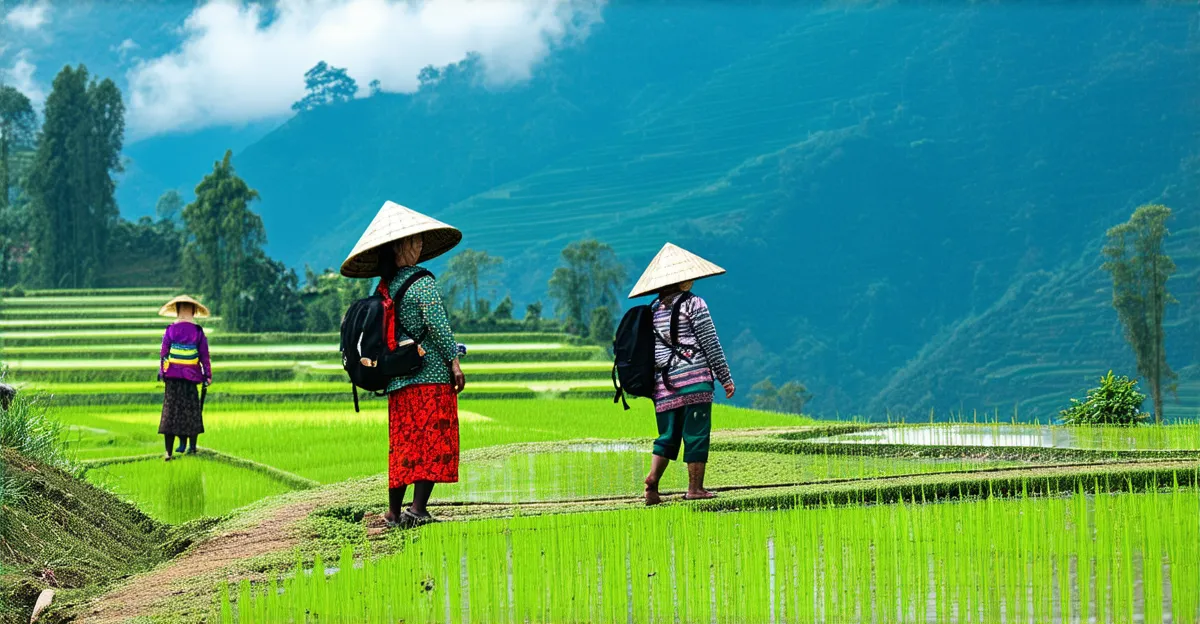
Table of Contents
Discover the Best Sapa Outdoor Activities in 2026
Sapa, Vietnam, is a haven for outdoor enthusiasts, offering a stunning landscape of terraced rice paddies, lush mountains, and vibrant ethnic cultures. In 2026, Sapa continues to be a premier destination for unforgettable adventures. Our guide highlights the best Sapa Outdoor Activities, ensuring you experience the region’s natural beauty to the fullest.
Trekking Through the Rice Terraces: A Sapa Staple
For practical details and last-minute changes, use Vietnam.travel.
No visit to Sapa is complete without experiencing the breathtaking beauty of its rice terraces. These cascading fields, carved into the hillsides, are not only a marvel of agricultural engineering but also a stunning visual spectacle. Trekking through them offers an unparalleled opportunity to connect with nature and witness the traditional farming practices of the local ethnic communities. Indeed, the experience of traversing these vibrant green landscapes is a quintessential Sapa outdoor activity, allowing you to immerse yourself in the serene beauty of rural Vietnam. Moreover, the varying altitudes provide diverse perspectives, offering a new vista around every Bend.Choosing Your Trekking Route
Several trekking routes wind through the rice terraces, each offering a unique perspective and level of difficulty. Popular options include routes through the Muong Hoa Valley, home to villages like Lao Chai and Ta Van. As you trek, you’ll encounter members of the H’mong and Dzay ethnic groups, providing a glimpse into their daily lives and customs. Furthermore, for a shorter trek, consider visiting Cat Cat Village, easily accessible from Sapa town. However, for a more challenging and immersive experience, multi-day treks are available, allowing you to explore more remote areas and stay in local homestays. You can explore more Sapa activities here. Additionally, these treks often include visits to less-visited villages, providing a more authentic cultural experience.
Pro Tip: The best time to trek through the rice terraces is during the planting season (April-May) or the harvest season (September-October) when the fields are lush green or golden yellow, respectively.
Before embarking on your trek, it is crucial to consider the weather conditions and your physical fitness. The terrain can be challenging, with steep inclines and uneven paths. Therefore, wearing appropriate footwear and carrying sufficient water and snacks are essential. Moreover, hiring a local guide can enhance your experience by providing valuable insights into the local culture and ensuring you stay on the right path. These guides, often from the local communities, offer a unique perspective and support the local economy.
In addition to the visual splendor, trekking through the rice terraces provides a deeper understanding of the symbiotic relationship between the people and the land. The intricate irrigation systems and sustainable farming practices reflect centuries of knowledge passed down through generations. As a result, experiencing these landscapes firsthand offers a profound appreciation for the ingenuity and resilience of the local communities. So, why not consider a Muong Hoa Valley trek to fully immerse yourself in this remarkable environment?
Conquering Fansipan Peak: The Roof of Indochina
Standing tall as the highest peak in Indochina, Fansipan Mountain presents a formidable yet rewarding challenge for trekkers visiting Sapa. Ascending to its summit, known as “The Roof of Indochina,” offers breathtaking panoramic views and a profound sense of accomplishment. However, conquering Fansipan requires careful planning and preparation, as the trek involves varying levels of difficulty and diverse weather conditions. Therefore, understanding the different routes, necessary gear, and potential challenges is crucial for a safe and enjoyable experience. Furthermore, the journey to the top is not just about physical endurance; it’s also an opportunity to witness the stunning natural beauty and unique biodiversity of the Hoang Lien Son mountain range.
Choosing Your Route: Trekking vs. Cable Car
There are primarily two ways to reach the summit of Fansipan: trekking and taking the cable car. Trekking typically takes 1 to 3 days, depending on the route and your fitness level. Several routes are available, each offering a unique perspective of the mountain’s diverse landscapes. Some popular trails pass through lush forests, bamboo groves, and rugged terrain, providing an immersive experience in nature. Alternatively, the Fansipan Legend cable car offers a quicker and less physically demanding option, whisking you to the summit in just about 15-20 minutes. Despite the convenience, keep in mind that even after the cable car ride, a final climb of approximately 600 steps is required to reach the very top. For those interested in Sapa Outdoor Activities, planning your ascent is part of the adventure. You can book a guided Fansipan trek here.
Pro Tip: If you choose to trek, hire a local guide who is knowledgeable about the trails, weather patterns, and safety precautions. A guide can significantly enhance your experience and ensure your well-being.
Before embarking on your Fansipan adventure, it’s essential to consider the time of year. The best time to climb Fansipan is during the dry season, from March to May and September to November, when the weather is relatively stable, and visibility is high. During these months, the trails are less slippery, and the views are clearer. However, be prepared for sudden weather changes, regardless of the season, and pack accordingly. Moreover, ensure you have appropriate hiking boots, warm clothing, rain gear, and plenty of water and snacks. Exploring Things to Do in Sapa can be enhanced by proper planning. You can find information on other Sapa activities here.
Reaching the summit of Fansipan is a truly unforgettable experience. From the top, you’ll be rewarded with stunning panoramic views of the surrounding mountains, valleys, and clouds. Whether you choose to trek or take the cable car, conquering Fansipan Peak is a highlight of any visit to Sapa. To make the most of your time in the region, consider exploring other attractions and Sapa Experiences, such as visiting local villages or trekking through rice terraces. Moreover, consider this day trek to explore more of Sapa’s beauty.
Exploring Local Villages: Cultural Immersion in Sapa
One of the most enriching Sapa experiences is undoubtedly exploring the local villages. Nestled within the breathtaking landscapes of northern Vietnam, these villages offer a unique opportunity to immerse yourself in the culture and traditions of the Hmong, Dao, Tay, and Giay ethnic groups. Furthermore, visiting these villages is not just about sightseeing; it’s about connecting with people, understanding their way of life, and appreciating the rich cultural tapestry that makes Sapa so special. As you venture into these communities, you’ll witness firsthand the traditional practices, vibrant costumes, and intricate handicrafts that have been preserved for generations.
Discovering the Heart of Sapa’s Culture
Each village around Sapa has its distinct charm and cultural identity. Cat Cat Village, for instance, is known for its traditional H’mong houses and stunning waterfalls, offering a glimpse into the daily life and crafts of the Black H’mong people. Similarly, Lao Chai and Ta Van villages, home to the Giay and H’mong ethnicities, showcase beautiful rice terraces and offer insights into their agricultural practices. Moreover, the warmth and hospitality of the villagers make these visits truly memorable. Remember to be respectful and mindful of local customs during your visit.
Engaging with the local communities also means supporting their livelihoods. You can purchase handmade crafts directly from the artisans, enjoy a traditional meal prepared with local ingredients, or even participate in cultural activities like weaving or indigo dyeing. By doing so, you contribute to the sustainability of these communities and help preserve their unique heritage. Moreover, these interactions provide a deeper understanding of the challenges and opportunities faced by the villagers in a rapidly changing world.
Exploring the local villages is an essential part of any visit to Sapa. It’s an opportunity to step outside of your comfort zone, connect with people from different backgrounds, and gain a new perspective on life. So, as you plan your trip, make sure to include village visits in your itinerary and prepare for an unforgettable cultural adventure. To plan your Sapa Outdoor Activities, see here for options. Besides, to find more adventurous Things to Do in Sapa, click here.
Ready to embark on a cultural journey? Discover more about Sapa’s villages and book your tour today!
Mountain Biking Adventures: Thrills on Two Wheels
🌟 Local Expert Tip: Get the most out of your Sapa visit with guided tours!
For adventure enthusiasts seeking an adrenaline rush amidst breathtaking scenery, mountain biking in Sapa offers an unparalleled experience. The rugged terrain, combined with stunning vistas of rice terraces and rolling hills, creates a thrilling playground for cyclists of all skill levels. Whether you are a seasoned pro or a beginner eager to explore, Sapa Outdoor Activities provide the perfect opportunity to connect with nature and challenge yourself physically.
Navigating Sapa’s Trails: A Biker’s Paradise
Things to Do in Sapa often include exploring its intricate network of trails, each offering unique challenges and rewards. The trails wind through local villages, providing glimpses into the daily life of ethnic communities, and offer panoramic views of the surrounding landscapes. Furthermore, guided tours are available for those who prefer a structured experience or need assistance navigating the more technical sections. These tours often include bike rentals and safety equipment, ensuring a safe and enjoyable ride. As you pedal through the valleys and ascend the hills, you’ll discover why Sapa Attractions are so highly regarded by outdoor enthusiasts. Discover more exciting Sapa Activities.
Pro Tip: Opt for a full-suspension mountain bike for a smoother ride on the uneven terrain, and always wear a helmet to ensure your safety. Also, consider the weather conditions; it can get muddy and slippery, especially during the rainy season.
Moreover, the local culture adds another layer to the mountain biking experience. As you pass through villages, you’ll encounter friendly locals and have the chance to learn about their traditions and way of life. Remember to be respectful of their customs and always ask for permission before taking photos. Besides the cultural exchange, the physical exertion of mountain biking through Sapa Experiences offers a unique sense of accomplishment and connection with the land.
Planning your mountain biking adventure in Sapa requires some preparation. Ensure you have appropriate clothing, including layers, as the weather can change rapidly. Also, bring plenty of water and snacks to keep your energy levels up. Before embarking on your ride, check the bike thoroughly and make sure it is in good working condition. With the right preparation and a sense of adventure, you can enjoy a truly unforgettable experience exploring Sapa’s stunning landscapes on two wheels.
Ready to experience the thrill of mountain biking in Sapa? Book your Sapa adventure today!
Homestay Experiences: Authentic Sapa Living
For travelers seeking an immersive cultural experience, homestays in Sapa offer a unique opportunity to connect with local communities and understand their way of life. Staying with a local family allows you to witness firsthand the traditions, customs, and daily routines of the ethnic minority groups that call Sapa home. Moreover, these experiences often extend beyond mere accommodation, providing opportunities to participate in daily activities, share meals, and learn about local crafts. Opting for a homestay enriches your visit, turning it into an unforgettable cultural exchange.
What to Expect from a Sapa Homestay
Sapa homestays typically involve staying in traditional houses, often built with local materials like wood and bamboo. While amenities may be basic, the warmth and hospitality of the host family more than compensate. During your stay, you can expect to share meals with the family, which typically consist of local dishes prepared with fresh, locally sourced ingredients. Furthermore, many homestays offer opportunities to learn about traditional crafts such as weaving, embroidery, and farming techniques. As a result, you gain a deeper appreciation for the cultural heritage of the region.
Pro Tip: Engage with your host family by asking questions about their culture and daily life. Showing genuine interest will enhance your experience and create lasting memories. You can also bring small gifts from your home country as a gesture of goodwill.
In addition to cultural immersion, homestays often provide access to Sapa Outdoor Activities that you might not otherwise experience. Your host family can guide you on treks to hidden waterfalls, remote villages, and scenic viewpoints. They can also share insights into the local flora and fauna, adding an educational dimension to your adventures. In fact, this personalized approach to exploring Sapa ensures that you discover the region’s hidden gems and appreciate its natural beauty.
Choosing a homestay is not only beneficial for travelers but also supports the local economy. By staying with local families, you contribute directly to their income, helping them sustain their traditional way of life. Moreover, responsible tourism practices ensure that the cultural integrity of these communities is preserved. Find great homestay options in Sapa and support the local community. By embracing authentic Sapa living, you create memories that last a lifetime, while positively impacting the lives of your hosts.
Discover more about Sapa Experiences and plan your unique cultural adventure today!
Waterfall Wonders: Discovering Sapa’s Hidden Gems
🎯 Insider Tip: Discover the best Sapa experiences with Viator Tours!
Sapa, renowned for its breathtaking landscapes and vibrant culture, is also home to a stunning array of waterfalls, often hidden away and waiting to be discovered. These natural wonders provide a refreshing escape from the more strenuous Sapa Outdoor Activities and offer unique opportunities for exploration and photography. Indeed, venturing off the beaten path to find these cascading beauties is an essential part of experiencing the true essence of Sapa.
Unveiling the Most Spectacular Waterfalls
Among the most notable is Cat Cat Waterfall, conveniently located near Cat Cat village, making it easily accessible for a quick excursion. Next, Love Waterfall is another must-see, requiring a trek through a bamboo forest, which adds to the adventure. Moreover, the journey itself is as rewarding as the destination. As you explore, remember that these waterfalls aren’t just picturesque spots; they are vital components of Sapa’s rich biodiversity and natural allure. Furthermore, these locations offer a tranquil retreat from the bustling tourist spots, allowing for quiet contemplation and immersion in nature.
Pro Tip: Wear appropriate footwear when visiting the waterfalls. The rocks can be slippery, especially near the base of the falls. Bringing water shoes or sturdy hiking sandals is highly recommended.
Exploring Sapa’s waterfalls offers more than just scenic views; it’s an invitation to connect with nature on a deeper level. The cool mist, the sound of rushing water, and the lush greenery create a sensory experience that revitalizes the mind and body. Furthermore, for avid photographers, these locations provide endless opportunities to capture stunning images of Vietnam’s natural beauty. Considering all the Things to Do in Sapa, dedicating time to explore these hidden gems is highly recommended.
While seeking out these Sapa Attractions, you’ll often find yourself passing through local villages and farms, providing glimpses into the daily lives of the indigenous people. This interaction adds a cultural dimension to your waterfall adventures, enriching the overall experience. Additionally, remember to respect the environment and local customs during your visit. By doing so, you’re contributing to the preservation of these natural treasures for future generations.
Ready to embark on your waterfall adventure? Explore guided tours and discover more Sapa experiences today. For more information on Sapa attractions, visit our website.
With its breathtaking landscapes and diverse range of activities, Sapa offers unparalleled outdoor experiences. Start planning your unforgettable adventure in 2026 and discover why Sapa is a must-visit destination for outdoor enthusiasts!
Frequently Asked Questions
A: Sapa boasts a variety of outdoor activities, including trekking through rice terraces, climbing Fansipan Peak, exploring local villages, and mountain biking. Each offers a unique perspective on the region’s natural beauty.
A: The best time for outdoor activities in Sapa is during the dry season, from March to May and September to November, when the weather is mild and the rice terraces are at their most vibrant.
A: Yes, several tour operators offer guided treks and outdoor excursions tailored to different fitness levels and interests. These tours provide valuable insights into local culture and ensure a safe and enriching experience.
A: While some treks are suitable for beginners, others can be challenging. It’s essential to assess your fitness level and choose activities that match your abilities. Hiring a local guide is highly recommended for more difficult treks.
A: Essential items include sturdy hiking boots, appropriate clothing for varying weather conditions (including rain gear), sunscreen, insect repellent, a hat, and plenty of water. Consider bringing a camera to capture the stunning scenery.