
Ulaanbaatar Activities: Top Things to Do in 2026
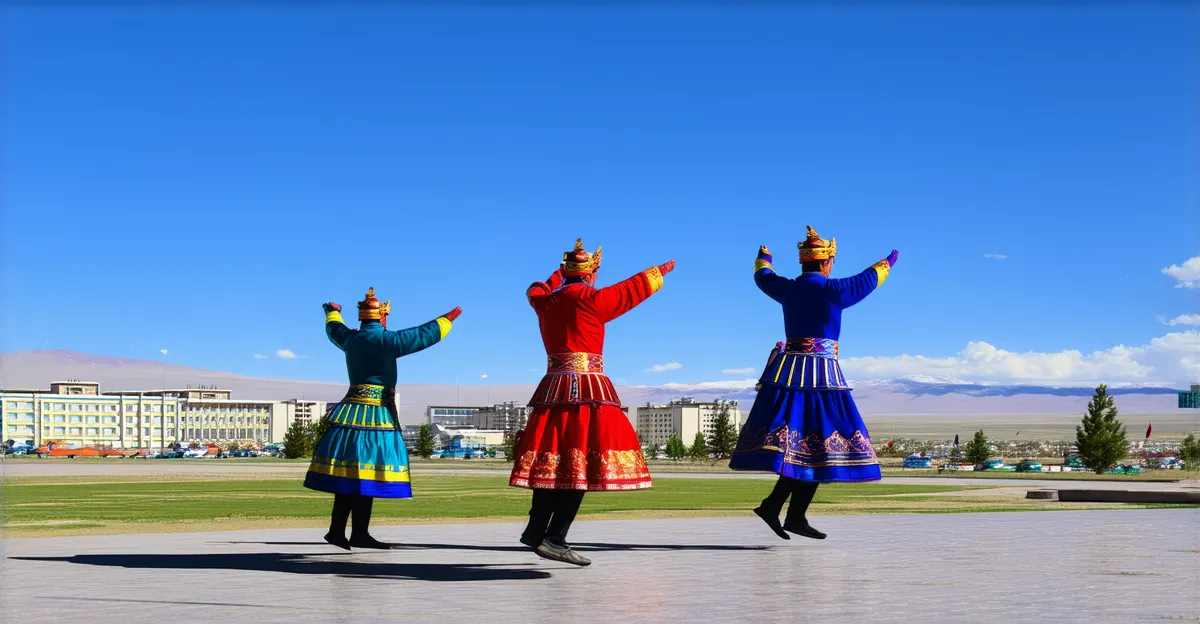
Table of Contents
Unforgettable Ulaanbaatar Activities: Your 2026 Guide
Welcome to Ulaanbaatar, the vibrant capital of Mongolia! In 2026, the city is buzzing with a mix of traditional culture and modern attractions. This guide dives into the best Ulaanbaatar Activities, ensuring you experience the heart and soul of this unique destination. From historical sites to cultural performances and outdoor adventures, discover what makes Ulaanbaatar an unforgettable travel experience.
Explore the Gandantegchinlen Monastery
For practical details and last-minute changes, use Ulaanbaatar City Government.
The Gandantegchinlen Monastery, often simply called Gandan Monastery, is a pivotal spiritual center in Ulaanbaatar and one of Mongolia’s most significant Buddhist monasteries. Exploring this active monastery provides a deep dive into Mongolian Buddhist culture and traditions. Consequently, it’s a must-see for anyone seeking to understand the spiritual heart of the nation. Visiting Gandan Monastery offers an enriching experience, allowing you to witness daily rituals, admire stunning artwork, and feel the serene atmosphere that permeates the complex. Moreover, the monastery’s history and ongoing importance make it a central landmark in Ulaanbaatar. Therefore, make sure you set aside enough time to fully absorb its spiritual and cultural significance.Key Highlights of Gandan Monastery
Gandan Monastery is renowned for its iconic Migjid Janraisig statue, a towering 26-meter-high gilded statue representing Avalokiteśvara, the Bodhisattva of Compassion. This magnificent statue is not only a symbol of Buddhist revival in Mongolia but also a testament to exquisite craftsmanship. Besides the statue, the monastery complex includes several temples, each with its own unique history and significance. Furthermore, you can observe monks chanting and praying, which offers a glimpse into their daily lives and spiritual practices. Ulaanbaatar Activities often highlight this monastery as a core cultural experience, drawing both locals and tourists alike.
Visiting Gandan Monastery is more than just sightseeing; it’s an immersive cultural experience. Observing the monks, the intricate artwork, and the overall peaceful ambiance makes it a truly memorable visit. Similarly, you can explore the monastery’s library, which houses a vast collection of Buddhist scriptures and historical texts. Additionally, engaging with local guides can enhance your understanding of the monastery’s history and its role in Mongolian society. Exploring Things to Do in Ulaanbaatar should definitely include this profound experience.
To make the most of your visit, consider joining a guided tour or attending a Buddhist ceremony. This will provide deeper insights into the monastery’s practices and beliefs. Also, remember to dress respectfully and maintain a quiet demeanor while on the premises, showing reverence for this sacred space. Afterwards, consider exploring other Ulaanbaatar Attractions to further enrich your understanding of the city’s cultural landscape.
Immerse yourself in the spiritual heart of Mongolia with a visit to Gandantegchinlen Monastery. To enhance your experience, consider a guided tour: Book your Ulaanbaatar city tour here.
Discover Mongolian History at the National Museum
The National Museum of Mongolia in Ulaanbaatar stands as a cornerstone for understanding the rich tapestry of Mongolian history and culture. As one of the premier Ulaanbaatar Attractions, it offers an extensive collection that spans prehistoric times to the modern era. Visitors can delve into exhibits showcasing ancient artifacts, traditional costumes, and significant historical documents. The museum provides context to Mongolia’s nomadic heritage, its imperial past, and its transition into a contemporary nation. Moreover, it is an essential stop for anyone seeking a deeper appreciation of Mongolian identity and its place in world history.
Exploring Key Exhibits
The museum is thoughtfully organized into several sections, each focusing on a distinct period or aspect of Mongolian history. Begin with the prehistoric exhibits to witness ancient tools and fossils, providing insights into early human settlements in the region. Then, progress to displays dedicated to the Mongol Empire, featuring weaponry, armor, and artwork from the era of Genghis Khan. You’ll see compelling artifacts from the Qing Dynasty and learn about Mongolia’s struggle for independence in the 20th century. In addition, the ethnographic section presents traditional clothing, religious artifacts, and everyday items, offering a glimpse into the lives of Mongolia’s diverse ethnic groups. These exhibits collectively enrich your understanding of Mongolia’s cultural evolution.
Visiting the National Museum is more than just seeing artifacts; it’s about experiencing history. You’ll gain insights into Mongolia’s unique nomadic culture, its complex political history, and its enduring traditions. The museum often hosts temporary exhibitions and cultural events, making each visit a potentially unique experience. Furthermore, the museum’s location in the heart of Ulaanbaatar makes it easily accessible, and it serves as a perfect starting point for exploring other Things to Do in Ulaanbaatar. Consider booking a guided tour to enhance your visit with expert commentary.
Pro Tip: Allocate at least 2-3 hours for your visit to fully appreciate the depth of the museum’s collection. Check for guided tours in English or other languages to get the most out of your experience.
For travelers interested in cultural immersion, the National Museum is indispensable. It not only complements visits to other historical sites around the city but also enriches your understanding of Ulaanbaatar Activities and the nation’s identity. Furthermore, the knowledge gained here will add depth to your appreciation of Mongolia’s natural landscapes and the traditions of its people. By understanding the past, visitors can better appreciate the present and future of this fascinating country. To further plan your cultural journey, explore more Ulaanbaatar Attractions and consider how the National Museum fits into your itinerary.
To delve even deeper into Mongolian culture, consider booking a comprehensive Mongolia tour that includes cultural sites and historical insights.
Experience a Traditional Mongolian Performance
One of the most captivating Ulaanbaatar Activities is attending a traditional Mongolian performance. These performances offer a rich tapestry of Mongolian culture, showcasing music, dance, and artistry passed down through generations. When seeking Things to Do in Ulaanbaatar, immersing yourself in the local arts scene should be a priority, providing insights into the nation’s heritage that history books simply cannot convey.
Traditional Mongolian performances often feature throat singing (khoomii), a unique vocal technique where singers produce multiple tones simultaneously. Moreover, you’ll witness mesmerizing dances that tell stories of nomadic life, ancient legends, and spiritual beliefs. Costumes are elaborate and colorful, adding visual splendor to the already awe-inspiring auditory experience. Consider this as one of your top Ulaanbaatar Experiences to gain a deeper appreciation of Mongolian culture. Similarly, performances usually include traditional instruments like the morin khuur (horsehead fiddle), which contributes to the distinctive and evocative soundscape.
Where to Watch a Performance
Several venues in Ulaanbaatar offer traditional Mongolian performances. The National Academic Theatre of Opera and Ballet is a popular choice, hosting regular shows that feature both classical and traditional pieces. Furthermore, the Tumen Ekh Ensemble is renowned for its authentic displays of Mongolian music and dance. Checking local listings upon arrival will provide up-to-date schedules and locations. Besides these, smaller cultural centers and theaters also host performances, offering a more intimate setting. Regardless of the venue, booking tickets in advance is advisable, especially during peak tourist seasons, to ensure you don’t miss out on this cultural highlight.
Attending a traditional Mongolian performance is not only entertaining but also deeply educational. It offers a window into the soul of Mongolia, revealing the values, stories, and artistic traditions that have shaped the nation’s identity. Moreover, such cultural experiences are invaluable for understanding the depth and complexity of Mongolian society. From throat singing to intricate dance routines, each element of the performance contributes to a rich and immersive cultural journey. Consider adding this to your list when planning your Ulaanbaatar Attractions.
In addition, a traditional performance might inspire you to explore other facets of Mongolian culture, such as visiting historical sites or trying traditional cuisine. Each experience builds upon the other, offering a comprehensive understanding of this fascinating country. Discover more about the cultural side of the city and find tickets for a traditional music and dance performance in Ulaanbaatar.
Go Horseback Riding in the Surrounding Steppes
🎯 Insider Tip: Discover the best Ulaanbaatar experiences with Viator Tours!
One of the most authentic and exhilarating Ulaanbaatar Activities is horseback riding in the vast, open steppes surrounding the city. Mongolia is renowned for its equestrian culture, and experiencing it firsthand allows visitors to connect with the country’s nomadic heritage. As you venture beyond the urban landscape, you’ll discover seemingly endless grasslands, rolling hills, and a sense of freedom that is hard to find elsewhere. Moreover, horseback riding provides a unique perspective on the natural beauty of Mongolia, offering an immersive experience that combines adventure with cultural immersion.
Preparing for Your Steppe Adventure
Before embarking on your horseback riding excursion, it’s essential to consider a few practicalities. First, ensure you have appropriate attire, including comfortable, sturdy footwear and layers of clothing to adapt to changing weather conditions. While the weather is generally predictable, it can shift rapidly, especially in the steppes. Furthermore, many tour operators provide helmets and other safety gear, but it’s always a good idea to confirm this in advance. Additionally, familiarizing yourself with basic riding techniques or seeking guidance from experienced local guides will enhance your confidence and enjoyment. For instance, a brief introduction to Mongol horse riding can significantly improve your experience. Also, remember to bring sunscreen, a hat, and plenty of water to stay protected and hydrated throughout your ride.
Exploring the steppes on horseback also allows you to discover hidden gems and encounter local nomadic communities. During your ride, you might come across traditional ger camps, offering opportunities to learn about Mongolian customs and hospitality. Indeed, many tours include visits to nomadic families, providing insights into their way of life and a chance to savor traditional Mongolian cuisine. Therefore, this interaction adds a cultural dimension to your adventure, making it an unforgettable and enriching experience. Discover more Ulaanbaatar Experiences to enhance your trip.
Various tour options are available, catering to different skill levels and preferences. Whether you’re a seasoned equestrian or a complete beginner, you can find a suitable horseback riding tour from Ulaanbaatar. Shorter excursions might focus on nearby scenic areas, while multi-day treks delve deeper into the countryside, offering a comprehensive exploration of the Mongolian steppes. For example, consider a horse riding experience in Terelj National Park for a memorable day trip. Ultimately, horseback riding in the steppes is a quintessential Mongolian experience, providing a profound connection to nature and the rich cultural heritage of the region.
Ready for an unforgettable ride? Book your horseback riding adventure in the Mongolian steppes today!
Visit the Winter Palace of Bogd Khan
💡 Pro Tip: Book your Ulaanbaatar adventures in advance through Viator for the best deals!
The Winter Palace of Bogd Khan, also known as the Bogd Khan Palace Museum, is a significant historical site in Ulaanbaatar, offering a fascinating glimpse into Mongolia’s past. This palace complex was the residence of the last Mongolian king, Bogd Khan, and his wife, Queen Dondogdulam. Constructed between 1893 and 1903, it comprises several temples, residential buildings, and a museum showcasing a rich collection of artifacts related to the Bogd Khan’s life and reign. Therefore, visiting this palace provides invaluable insights into the political and cultural landscape of early 20th-century Mongolia. Moreover, it stands as a testament to the country’s unique blend of religious and royal traditions. To further explore historical sites, consider checking out other Ulaanbaatar attractions.
Exploring the Palace Grounds
The palace complex consists of six temples, each featuring intricate architectural details and religious significance. Inside, you’ll find numerous Buddhist artworks, including statues, thangkas (painted or embroidered banners), and religious implements. Furthermore, the residential buildings display a collection of personal belongings, furniture, and ceremonial items used by the Bogd Khan and his queen. As you wander through the palace grounds, you’ll encounter the Gate Temple, the winter and summer palaces, and the fascinating collection of gifts presented to the Bogd Khan by foreign dignitaries. These gifts range from exotic animals (preserved taxidermies) to luxurious items, reflecting Mongolia’s diplomatic relations at the time. Therefore, experiencing the palace grounds provides a comprehensive understanding of the era. Also, consider a guided city tour to enhance your experience.
Among the many Ulaanbaatar Activities, touring the Winter Palace offers a serene escape from the bustling city. The meticulously maintained gardens and courtyards provide a peaceful setting to reflect on the history and culture of Mongolia. Additionally, the museum within the complex houses an extensive collection of historical and cultural artifacts, offering deeper insights into Mongolian traditions. Beyond the main attractions, consider participating in Ulaanbaatar experiences to enrich your visit.
The Winter Palace of Bogd Khan is not only a historical site but also a cultural landmark that allows visitors to connect with Mongolia’s royal past. Whether you are interested in history, art, or architecture, a visit to this palace is a must when exploring Things to Do in Ulaanbaatar. Lastly, don’t miss the opportunity to explore Ulaanbaatar Outdoor Activities near the palace, such as visiting nearby parks and cultural sites. For a comprehensive view of Mongolian culture, consider attending a traditional music and dance performance after your visit. Discover more things to do in Ulaanbaatar to maximize your travel experience.
Hike in Gorkhi-Terelj National Park
Gorkhi-Terelj National Park, located just northeast of Ulaanbaatar, presents a stunning escape into Mongolia’s natural beauty. This park is renowned for its dramatic rock formations, lush meadows, and pristine rivers, making it an ideal destination for hiking enthusiasts of all levels. As you explore the park, you’ll encounter unique landscapes that offer both challenge and tranquility. Whether you are looking for a leisurely stroll or a more demanding trek, Gorkhi-Terelj provides a range of trails that showcase the best of Mongolian wilderness. Therefore, it is a must-visit for anyone seeking Ulaanbaatar Outdoor Activities.
Popular Hiking Trails and Destinations
The park boasts several well-known trails, each offering distinctive views and experiences. One popular destination is Turtle Rock, an iconic rock formation resembling a turtle, which provides excellent photo opportunities and easy climbing for panoramic vistas. Furthermore, the Aryabal Meditation Temple, perched high on a hill, is accessible via a scenic trail and rewards hikers with spiritual solace and breathtaking views of the surrounding valleys. Additionally, for more adventurous hikers, there are trails leading to remote areas of the park, ensuring a secluded and immersive experience. You can discover additional Ulaanbaatar outdoor activities here.
Pro Tip: Always check weather conditions before embarking on a hike in Gorkhi-Terelj National Park. Pack appropriate gear, including sturdy hiking boots, layers of clothing, and plenty of water.
Moreover, the park is not only about hiking; it also offers opportunities for wildlife spotting. Keep an eye out for various bird species, marmots, and other local fauna as you traverse the trails. Respect for the environment is paramount, so ensure you leave no trace behind. Engaging with the natural surroundings responsibly enhances the experience for everyone. Besides hiking, you may find that there are many options for Things to Do in Ulaanbaatar around the park area. For a guided experience, consider a day tour to Terelj Park.
In conclusion, a hike in Gorkhi-Terelj National Park offers an unforgettable adventure, blending physical activity with the serene beauty of Mongolia’s natural landscape. It is an essential experience for those seeking to explore beyond the city limits and connect with the country’s wilderness. Planning your trip carefully will ensure a safe and rewarding excursion, leaving you with lasting memories of your Mongolian adventure. So, for more ideas about Ulaanbaatar Activities, make sure you visit this page to discover even more options to enhance your visit.
Attend the Naadam Festival
Attending the Naadam Festival is undoubtedly one of the most exhilarating Ulaanbaatar Activities you can experience. This annual event, typically held in July, is Mongolia’s grandest celebration of its nomadic culture, featuring the “three manly skills”: wrestling, horse racing, and archery. Moreover, Naadam is much more than just a sporting event; it’s a vibrant display of national pride, tradition, and community spirit, drawing both locals and tourists alike into its festive atmosphere. The festival provides a unique window into the heart of Mongolian culture, offering an unforgettable experience for anyone visiting during this time.
The opening ceremony is a spectacle in itself, filled with colorful parades, traditional music, and dances that narrate Mongolia’s rich history and heritage. Witnessing this grand display sets the stage for the thrilling competitions that follow. Whether you’re captivated by the strength and skill of the wrestlers, the speed and agility of the racehorses, or the precision of the archers, Naadam offers something for everyone. Furthermore, the festival is a fantastic opportunity to immerse yourself in the local culture and connect with the friendly and welcoming Mongolian people. For a taste of traditional Mongolian music and dance, you might also consider attending a separate performance in Ulaanbaatar.
Experiencing the Three Manly Skills
Each of the three main competitions at Naadam provides a unique and thrilling experience. Mongolian wrestling, or “Bokh,” is a test of strength, technique, and strategy, with hundreds of wrestlers competing for the title of champion. The horse races, which take place across the steppes outside Ulaanbaatar, showcase the incredible bond between horse and rider, some of whom are children as young as five. Archery, meanwhile, demonstrates precision and focus, with competitors aiming at targets from a distance. Besides the formal competitions, the Naadam festival grounds buzz with energy, offering a variety of traditional food, crafts, and games. Sampling khuushuur (Mongolian fried meat pastry) or trying your hand at traditional games adds to the immersive cultural experience. Indeed, exploring the Naadam grounds is one of the most engaging Things to Do in Ulaanbaatar during the festival.
Planning ahead is essential if you want to attend Naadam, as tickets for the opening ceremony and main events sell out quickly. Transportation to and from the festival grounds can also be challenging, so booking in advance or arranging for a guided tour is highly recommended. Despite the crowds and logistical challenges, the Naadam Festival is an experience that truly encapsulates the spirit of Mongolia and should not be missed. It’s an unparalleled opportunity to witness ancient traditions come to life and create lasting memories. For a more structured experience, consider a private custom tour of Ulaanbaatar that can include Naadam if your dates align.
Discover more exciting Ulaanbaatar Experiences to enrich your visit and make the most of your time in Mongolia!
From cultural explorations to adventurous escapades, Ulaanbaatar offers a wide array of activities to suit every traveler. Start planning your Ulaanbaatar adventure today and discover why it’s a must-visit destination in 2026!
Frequently Asked Questions
A: Ulaanbaatar offers a diverse range of activities, including exploring historical sites like the Gandantegchinlen Monastery, visiting museums such as the National Museum of Mongolia, experiencing traditional Mongolian performances, and enjoying outdoor adventures in the surrounding landscapes.
A: The best time to visit Ulaanbaatar for outdoor activities is during the summer months (June to August) when the weather is warm and pleasant. However, winter offers unique experiences like ice festivals and dog sledding.
A: Yes, many Ulaanbaatar activities are suitable for families with children. Museums often have interactive exhibits, and parks provide space for recreation. Traditional performances are also a hit with kids.
A: You can book Ulaanbaatar activities through local tour operators, online travel agencies, or directly through the activity providers. Booking in advance is recommended, especially during peak season.
A: Some Ulaanbaatar activities, such as visiting museums and attending cultural performances, have entrance fees. Outdoor activities may require permits or fees for guided tours. Check with the specific activity provider for details.