
Hidden Historical Landmarks in Aarhus to Explore
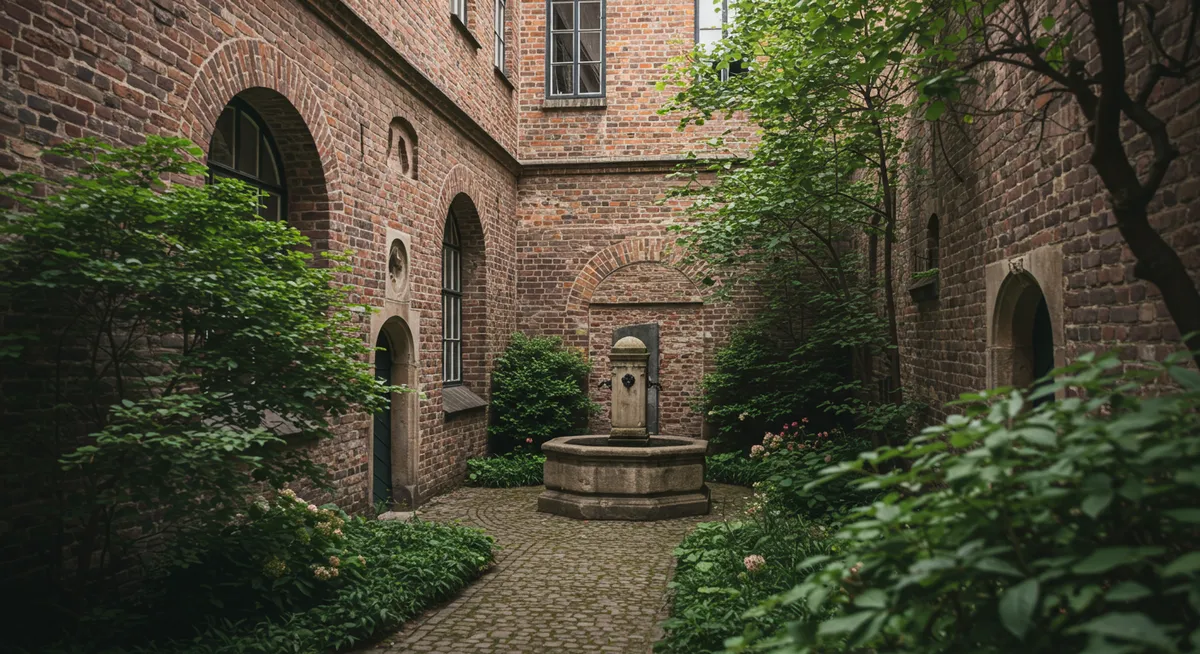
Table of Contents
Unearthing Aarhus’s Forgotten Past: Hidden Gems Await
Aarhus might be famous for its modern architecture and vibrant cultural scene, but beneath the surface (and often right under your nose!) lies a rich tapestry of history waiting to be discovered. As someone who’s spent countless hours wandering its charming streets, I can tell you that some of the most captivating stories are found in the places less traveled. If you’re a true culture seeker and love to unearth secrets, then join me on a journey to explore the true hidden historical landmarks in Aarhus, Denmark. Forget the obvious; let’s dive into the fascinating past that shaped this incredible city, offering real value for your cultural exploration.
Unveiling Underground History: Viking Age and Beyond
You can find the latest updates on ARoS Aarhus Art Museum.
For current hours, prices, and announcements, start with Aarhus Kommune.
When we talk about hidden historical landmarks in Aarhus, the absolute gems are often literally beneath your feet! Start your adventure by descending into the Viking Museum, a small but powerful site tucked away in the basement of Nordea Bank on Skt. Clemens Torv. It’s built right on the original excavation site of Viking-era Aarhus, showcasing the city’s ancient roots. My top tip: don’t rush through; take time to appreciate the artifacts and stories of the city’s founders. Another truly hidden spot is the ruin of St. Oluf’s Church, also underground near Immervad. These rarely visited sites offer a raw, unfiltered glimpse into Aarhus’s early Christian and Viking history, making them truly special.Wandering Through Medieval Alleys and Secret Courtyards
While Aarhus’s Latin Quarter is a popular spot, many visitors stick to the main thoroughfares, missing its true hidden historical landmarks. Venture beyond the bustling pedestrian streets into the quieter back alleys like Volden and Mejlgade. Here, you’ll find beautifully preserved, often overlooked, medieval merchant houses and charming courtyards that whisper tales of centuries past. I always tell friends to look up at the architecture and notice the subtle differences in brickwork and timber frames – each tells a story. These hidden nooks provide an authentic local Danish cultural experience, offering a sense of what the city was like before modern development, a truly immersive historical journey.
Royal Legacies and Tranquil Historical Greenspaces
For a blend of nature and noble history, explore the lesser-known historical elements within Mindeparken (The Memorial Park). While it’s a popular green space, many don’t realize its deep connection to the Danish royal family. Beyond the main memorials, seek out the old guardhouses and the remnants of the former Royal summer residence, Marselisborg Palace, which still functions for the Queen today. These subtle hints of royal presence are truly hidden historical landmarks within the park. It’s a perfect spot for peaceful contemplation while reflecting on Aarhus’s regal past, offering a serene escape that connects you to generations of Danish heritage and Aarhus outdoor activities.
Architectural Echoes of the Past: Aarhus University’s Unique Campus
⭐ Recommendation: Don't miss out on amazing Aarhus tours - book now!
Aarhus University, with its distinctive yellow brick buildings nestled within a sprawling park, isn’t typically seen as a ‘hidden’ site, yet its rich architectural and historical narrative often goes unexplored by tourists. Designed by renowned Danish architects Kay Fisker, C.F. Møller, and Povl Stegmann, the campus itself is a monumental hidden historical landmark reflecting Danish Functionalism. Take a self-guided stroll through the university park, observing the subtle design details and how the buildings blend seamlessly with nature. It’s a testament to 20th-century Danish design and a fascinating insight into the city’s intellectual history, making it a must-see for architecture enthusiasts.
Industrial Roots and Waterfront Whispers: Uncovering Aarhus’s Port History
Aarhus’s identity is intrinsically linked to its port, and exploring its industrial heritage reveals fascinating hidden historical landmarks. Head towards the areas around Mølleparken, where you can still spot remnants of old industrial mills along the Aarhus River, hinting at the city’s past as a center for trade and manufacturing. The old customs house, Toldkammeret, now repurposed, stands as a grand reminder of Aarhus’s bustling maritime history. Walking these transformed areas offers a unique perspective on how the city evolved from a Viking settlement to a modern port. It’s a different kind of history, showing the dynamic layers of things to do in Aarhus and development.
Frequently Asked Questions
Q: Are these hidden historical landmarks in Aarhus easily accessible?
A: Yes, most of these sites are centrally located and easily reachable on foot or by public transport within Aarhus. The underground museums require entry, but places like the Latin Quarter alleys or Mindeparken are free to explore at your own pace.
Q: Can I find guided tours specifically for Aarhus’s hidden historical landmarks?
A: While general walking tours cover some historical areas, finding a specific tour for truly ‘hidden’ spots can be challenging. Your best bet is often self-exploration, using local guides or apps, or inquiring at the Aarhus tourist information center for niche offerings.
Q: Are these cultural activities family-friendly?
A: Absolutely! Exploring underground museums can be exciting for kids, and the open spaces of Mindeparken or the University Park offer room to run while subtly absorbing history. The Latin Quarter’s charm is also enjoyable for all ages, making it a great day out for everyone discovering Aarhus.
Exploring the hidden historical landmarks in Aarhus offers a profound connection to the city’s layered past. From ancient Viking excavations beneath the streets to medieval courtyards and industrial relics, each site reveals a piece of Aarhus’s soul that goes beyond the typical tourist trail. These unique cultural activities provide a deeper understanding and appreciation for this incredible Danish city. So next time you’re in Aarhus, step off the beaten path and allow yourself to get lost in its compelling history. You might just uncover your own favorite secret spot and gain a truly authentic Danish cultural experience.