
Seville Customs: What Travelers Need to Know
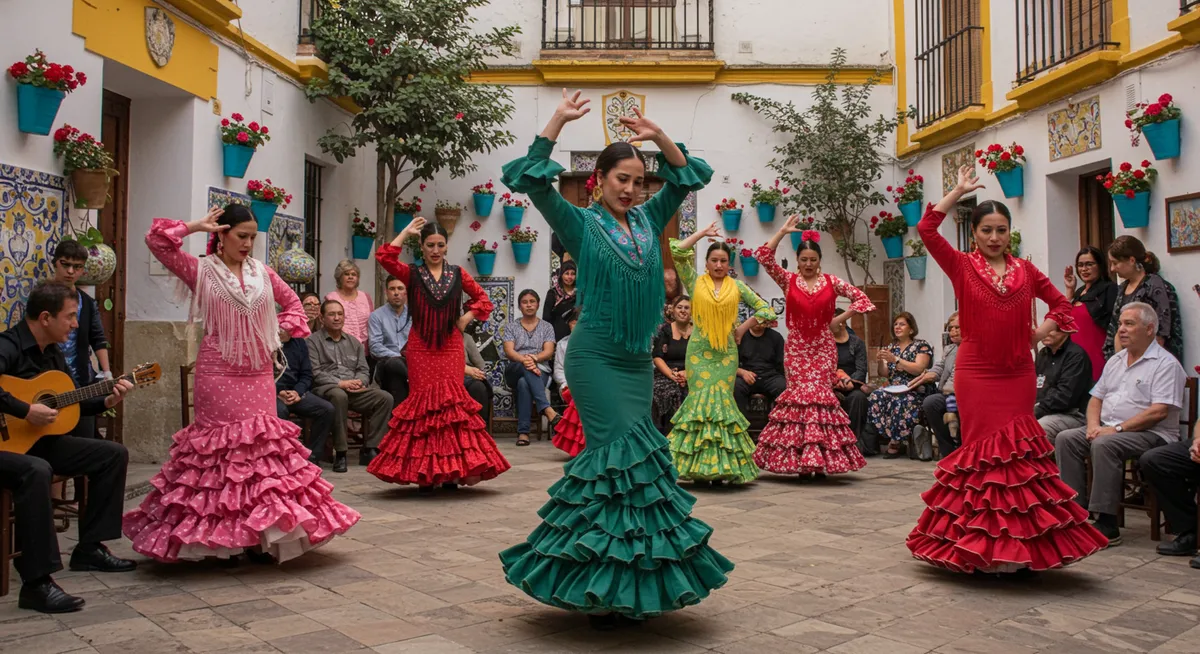
Table of Contents
Embracing Seville: Local Customs to Know Before Your Visit
Having spent considerable time soaking in the vibrant atmosphere of Andalusia, I’ve come to appreciate that truly experiencing Seville goes beyond visiting its famous landmarks. It’s about understanding and embracing the city’s unique heartbeat, its cherished traditions, and the nuanced local customs to know before visiting Seville. From the warmth of its people to the rhythm of daily life, Seville invites you to step into its world. To help you dive deeper into this captivating culture, this guide will arm you with practical insights into the key Seville activities and subtle nuances that define Sevillian life, ensuring your trip is not just a visit, but a truly immersive journey. Get ready to embrace the genuine charm of the city and discover all the things to do in Seville, preparing you for unforgettable Seville experiences.
Greetings and Social Etiquette: The Sevillian Way
To plan your trip, review Sevilla Airport (Aena).
For practical details and last-minute changes, use Real Alcázar de Sevilla.
When you’re navigating the charming streets of Seville, understanding basic greetings is paramount. A simple “Hola” or “Buenos días/tardes/noches” goes a long way, especially when entering shops or engaging with locals. My personal tip? Always make eye contact and offer a warm smile; Sevillians value genuine connection. While a handshake is common for men, women typically greet with two kisses on the cheek, one on each side. Don’t be surprised by the close proximity during conversations; personal space is more fluid here than in some other cultures. Respectful communication and a friendly demeanor are crucial local customs to know before visiting Seville. Embrace the chance to participate in Seville outdoor activities where you might naturally encounter these social interactions.Dining & Tipping: Savoring Seville’s Culinary Customs
Seville’s culinary scene is a core part of its identity, and there are distinct local customs to know before visiting Seville‘s eateries. Meal times are famously late; lunch often starts around 2-3 PM, and dinner rarely before 9 PM, stretching late into the night. Tapas culture thrives here, encouraging sharing and hopping between bars. Don’t expect huge portions; tapas are small, designed for sampling! When it comes to tipping, it’s not obligatory or as generous as in North America. A small tip (a few euros) for good service at a restaurant or bar is appreciated, but never expected to be a percentage of the bill. Consider diving into these traditions with a traditional tapas food tour or explore cooking classes on traditional Sevillian cuisine to truly understand the food culture.
Understanding the Daily Rhythm: Siesta and Late Evenings
One of the most talked-about, yet often misunderstood, local customs to know before visiting Seville is the daily rhythm, particularly the siesta. While not everyone takes a full nap, many shops and businesses close during the hottest part of the afternoon, typically between 2 PM and 5 PM. This is not laziness, but a practical adaptation to the intense heat and a time for family meals. Plan your sightseeing around this, perhaps visiting indoor Seville attractions or relaxing during these hours. The city truly comes alive again in the late afternoon and evening, with families and friends enjoying paseos (strolls) and lively social gatherings. Don’t forget, there are also plenty of free cultural activities in Seville to enjoy, often outside of siesta hours.
Dress Code and Public Behavior: Blending In
⭐ Recommendation: Don't miss out on amazing Seville tours - book now!
When preparing for your trip, consider the local customs to know before visiting Seville regarding dress and public demeanor. While casual wear is common for tourists, Sevillians, especially when heading out in the evenings or visiting religious sites, tend to dress smartly. For women, this means avoiding overly revealing clothing, particularly when exploring churches or the Alcázar. Public displays of affection are generally more reserved than in some Western countries. Keep noise levels down in residential areas, especially late at night, out of respect for locals. You’ll find it comfortable to stroll through the city’s beautiful squares and take in the best photography spots in Seville for cultural architecture, dressed in appropriate attire, making sure you blend into the elegant surroundings. Don’t forget to consider comfortable shoes for navigating historic sites like the Alcázar; plan ahead on how to get tickets for Alcázar Palace Seville.
Navigating Cultural Events: Flamenco and Fiestas
Seville is a city steeped in passionate cultural traditions, especially its flamenco and annual fiestas. These are truly vibrant local customs to know before visiting Seville. If attending a flamenco show, remember it’s a serious art form; applause is usually reserved for after a complete performance, not during. Many major festivals, like Semana Santa (Holy Week) and Feria de Abril, are deeply religious or traditional. While tourists are welcome, respect the solemnity or local nature of these events. Researching the best time to visit Seville for cultural festivals will help you plan. When exploring areas like Triana, seek out authentic artisan workshops, which are living examples of Sevillian heritage. Understanding these nuances enriches your experience of Seville’s vibrant cultural tapestry.
Frequently Asked Questions
🌟 Local Expert Tip: Get the most out of your Seville visit with guided tours!
Q: Is it rude to speak English in Seville?
A: No, it’s not rude, but attempting a few Spanish phrases like ‘Hola’ or ‘Gracias’ is always appreciated and shows respect for the local culture. Many people, especially in tourist areas, will understand English.
Q: Do I need to tip in Seville?
A: Tipping is not as common or expected as in some other countries. A small tip (a few euros) for good service is a kind gesture but not obligatory. Service charges are usually included in the bill.
Q: What is the ‘siesta’ in Seville?
A: The siesta is a traditional afternoon break, often from 2 PM to 5 PM, when many shops and businesses close. It’s a time for lunch, rest, and avoiding the hottest part of the day. Plan your activities accordingly.
Embracing these local customs to know before visiting Seville will undoubtedly transform your trip from a simple vacation into an enriching cultural immersion. From the late-night dinners to the passionate flamenco, every custom offers a window into the soul of this incredible city. By respecting and participating in Sevillian traditions, you’ll gain a deeper appreciation for its heritage and connect more authentically with its people. Ready to delve even deeper into Seville’s past? Consider exploring hidden historical sites in Seville’s Old Town, taking guided tours exploring Seville’s Jewish Quarter history, or discovering what to see inside Seville Cathedral and the Giralda Tower. Your Sevillian adventure awaits!